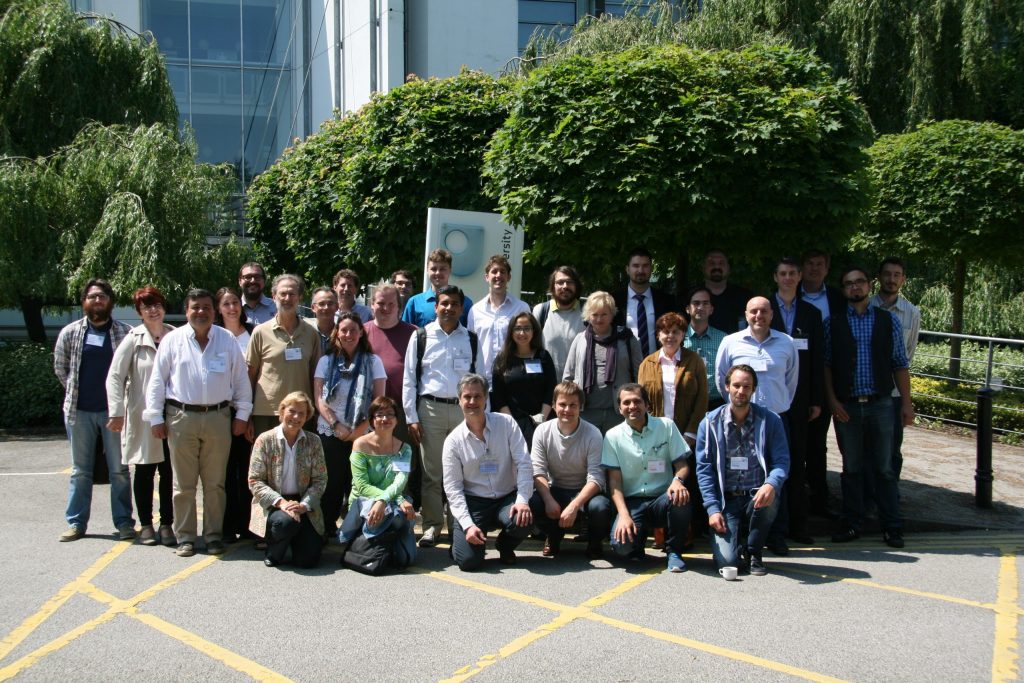
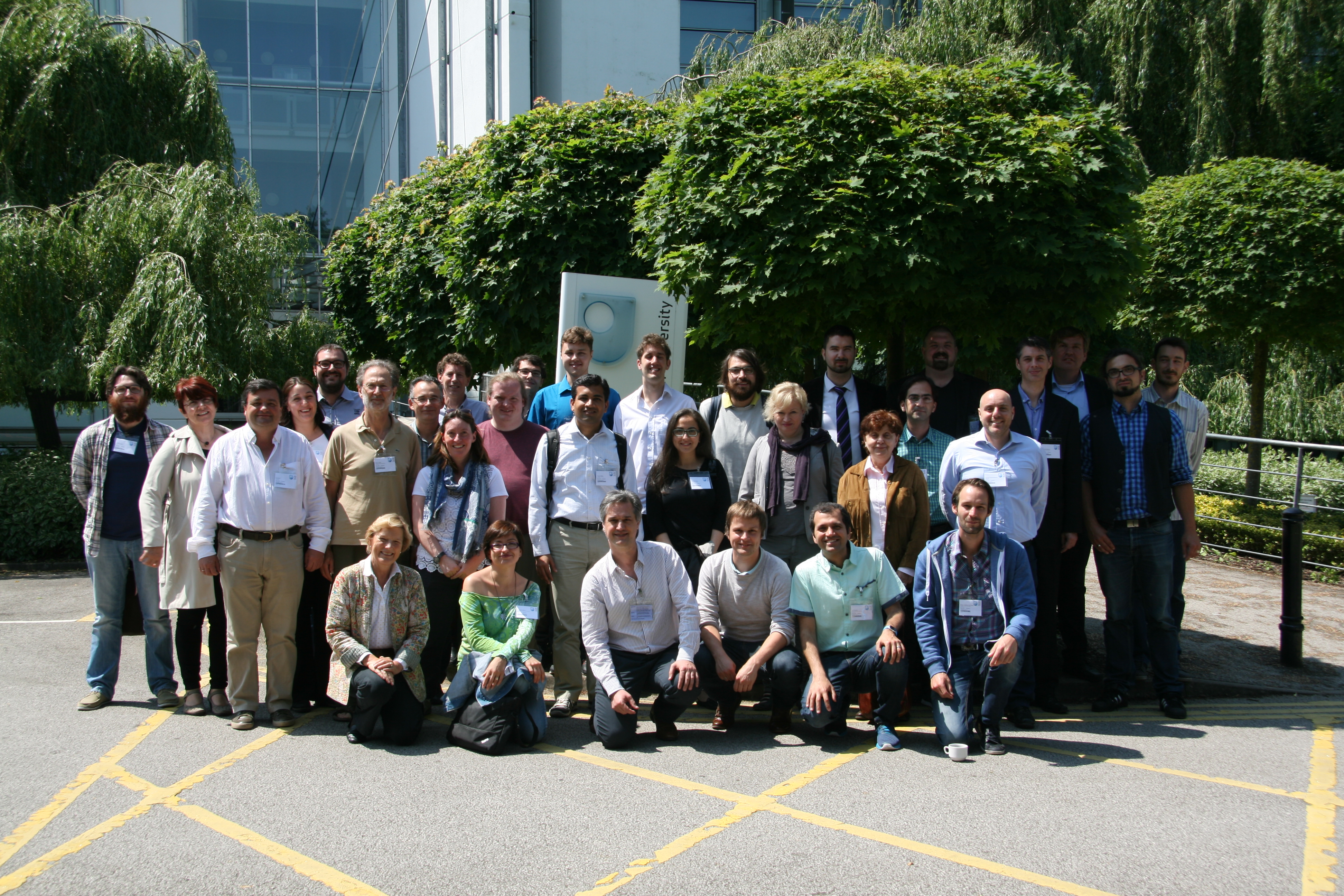
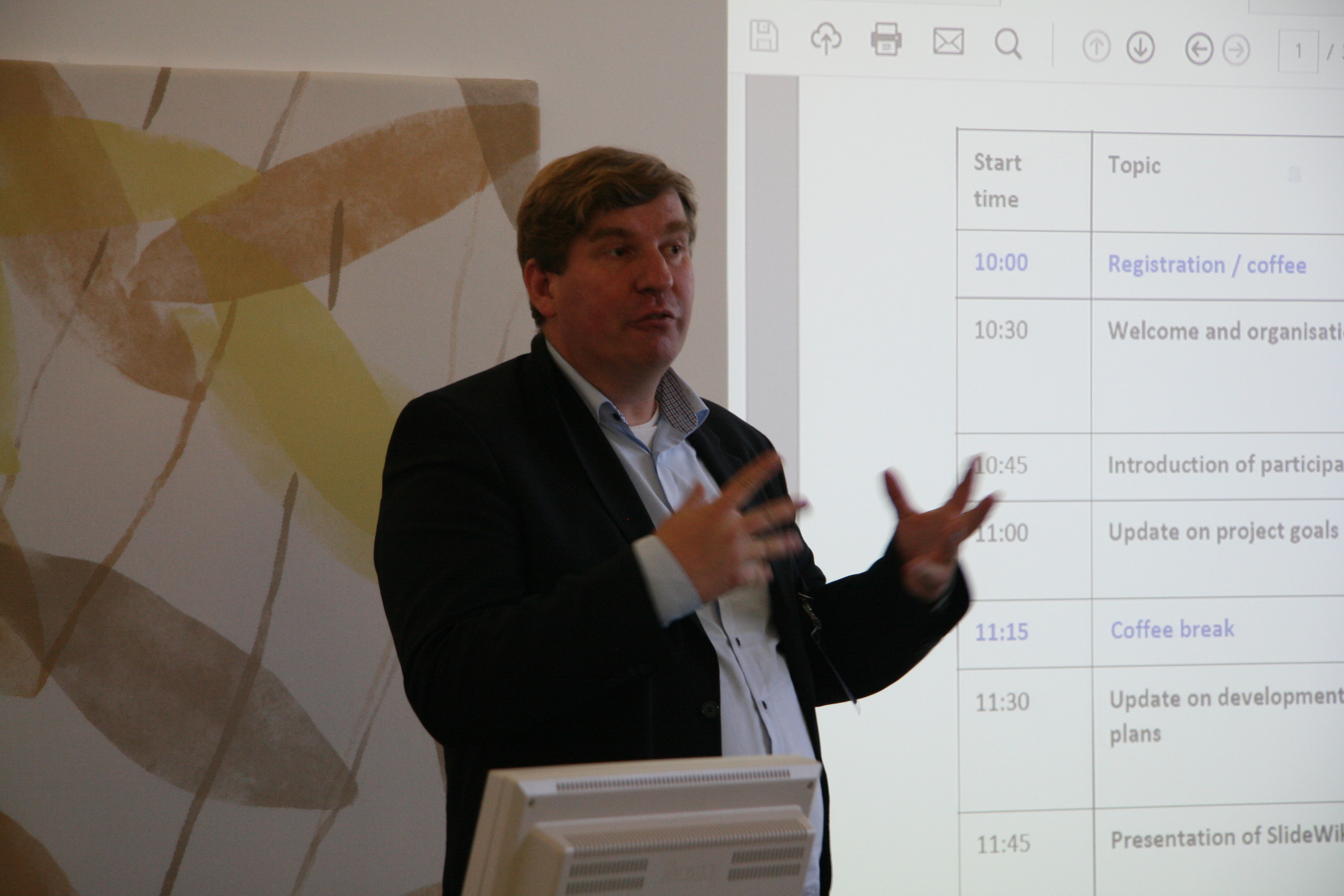
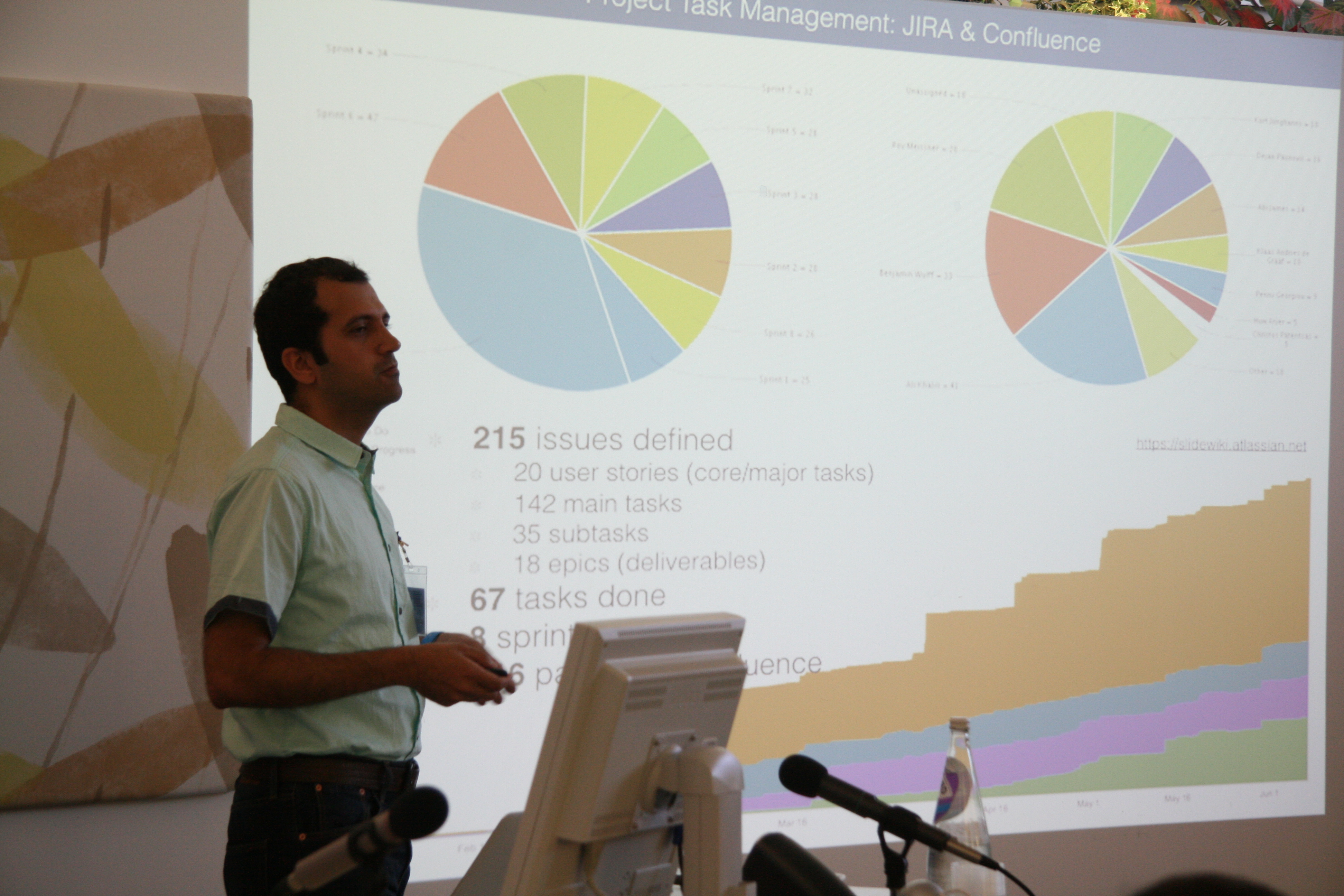
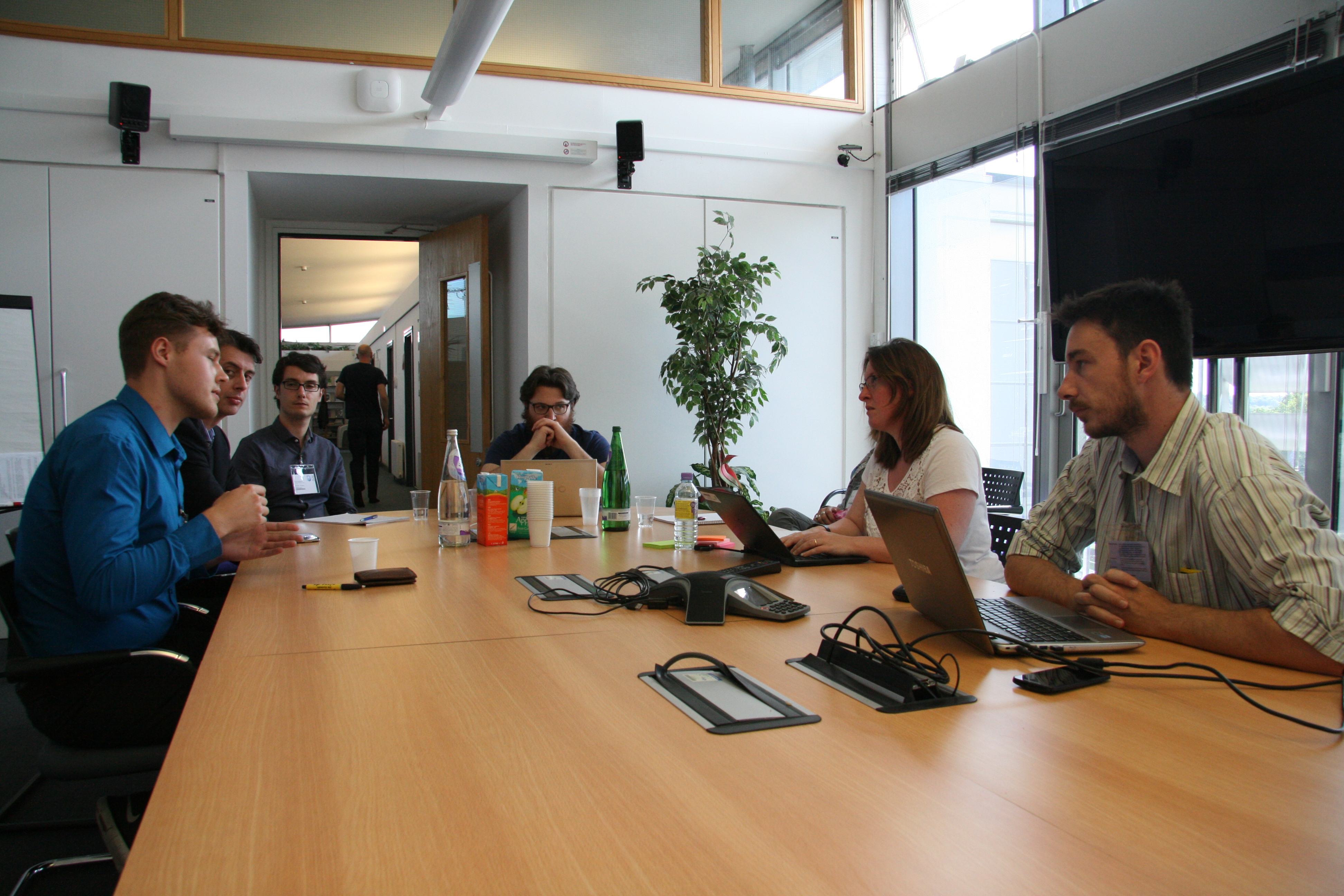
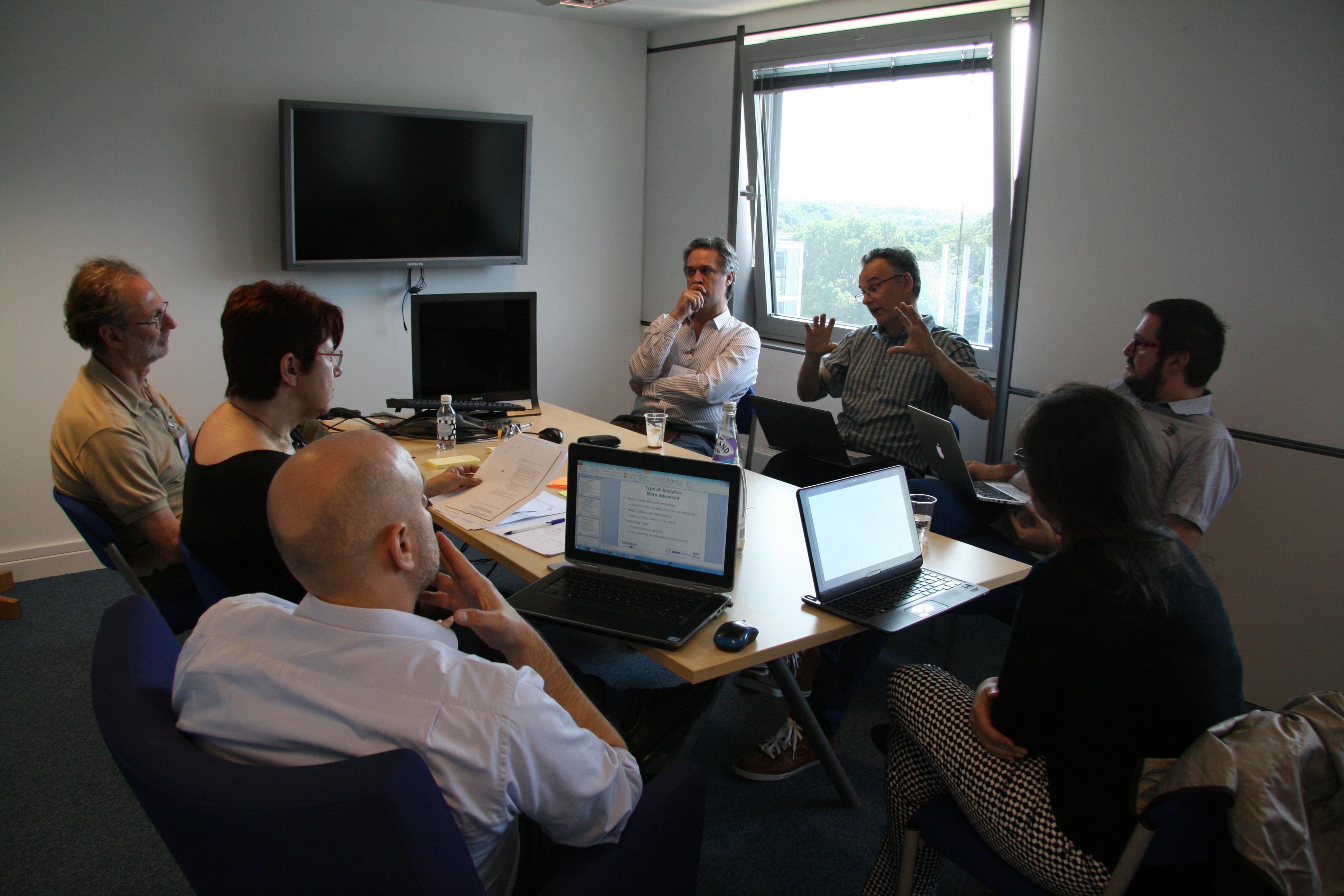
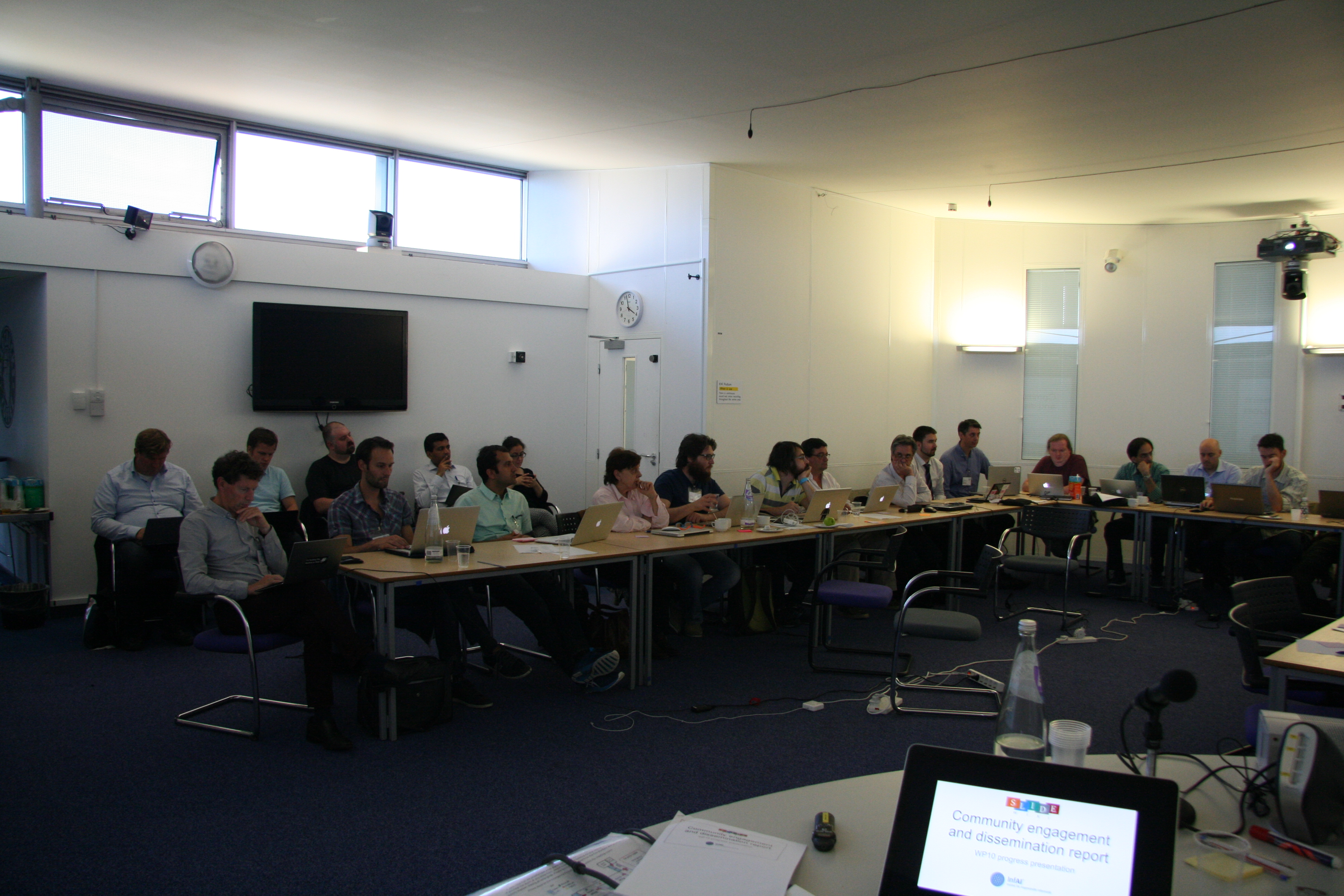
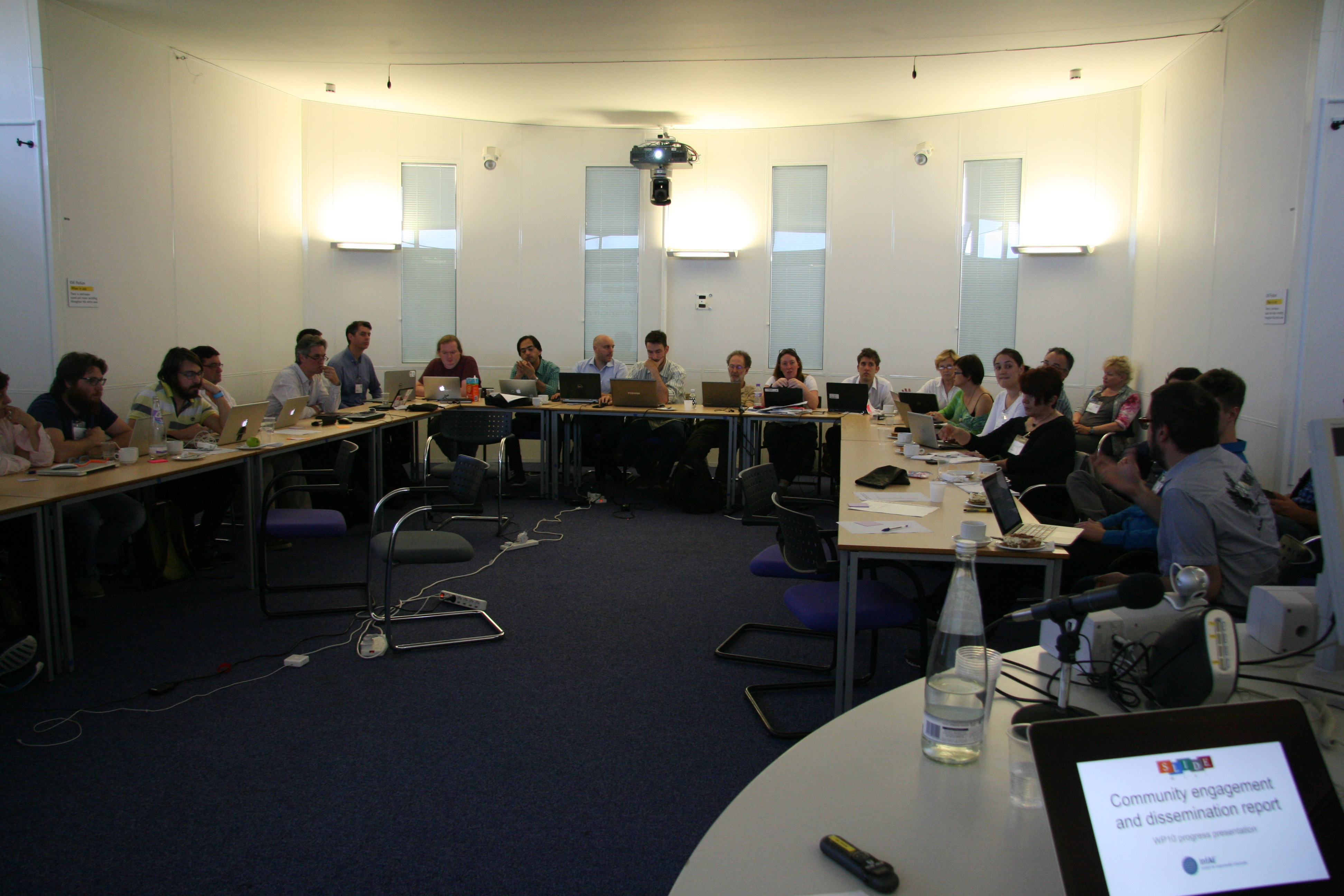
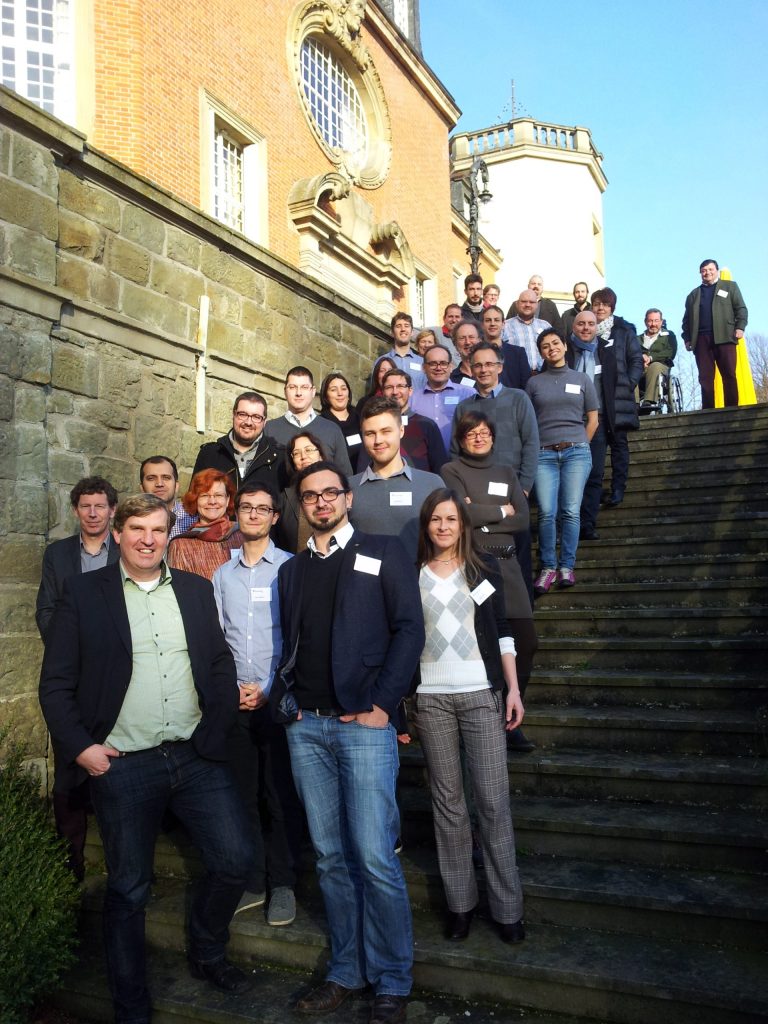
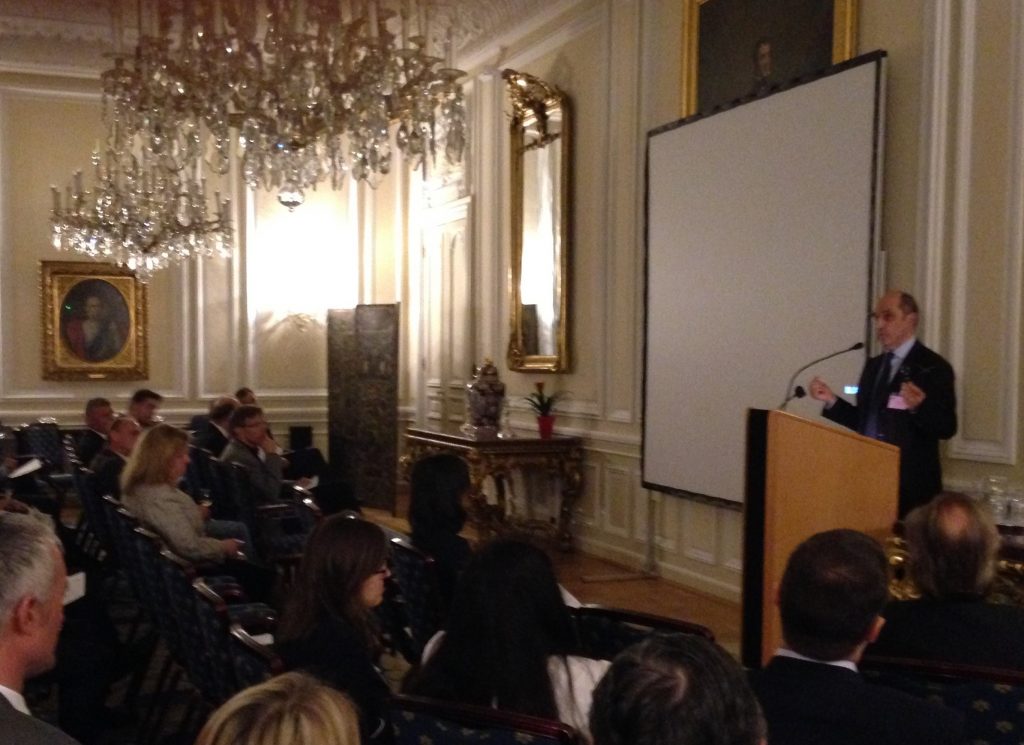
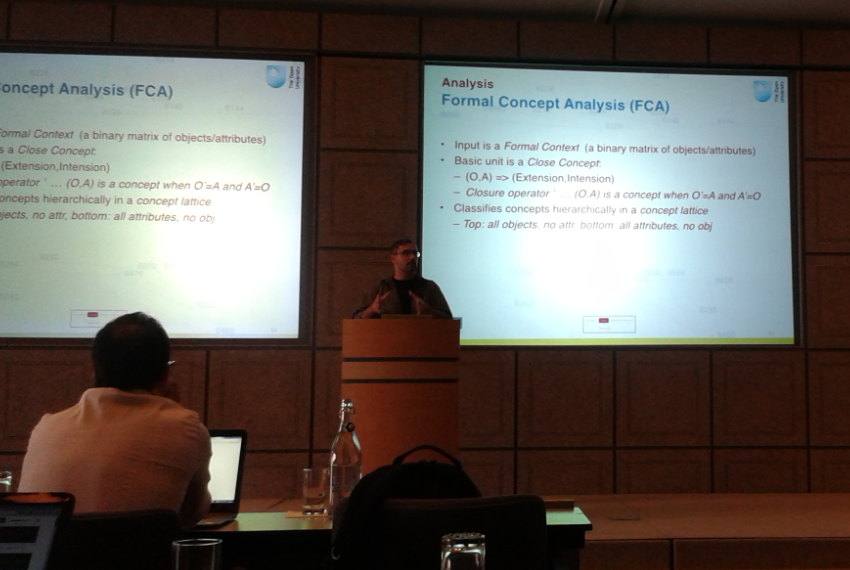
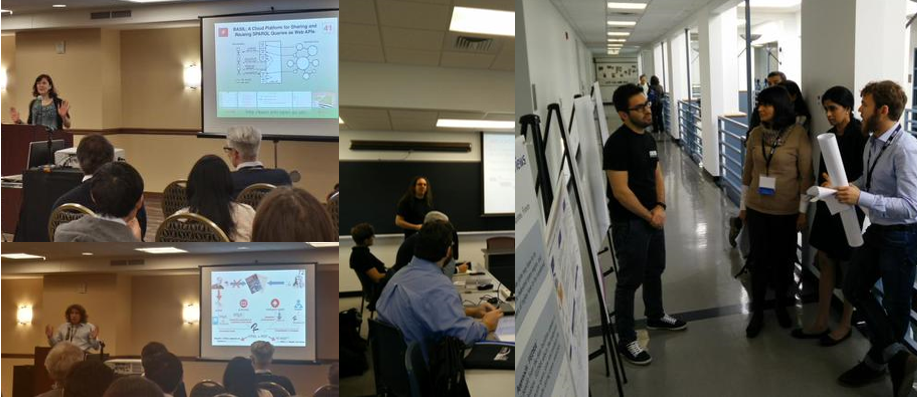
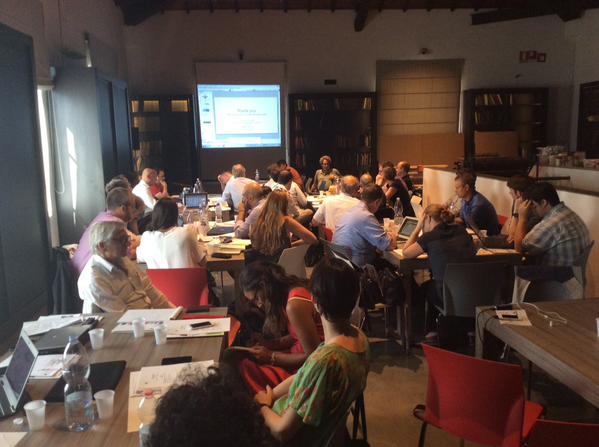
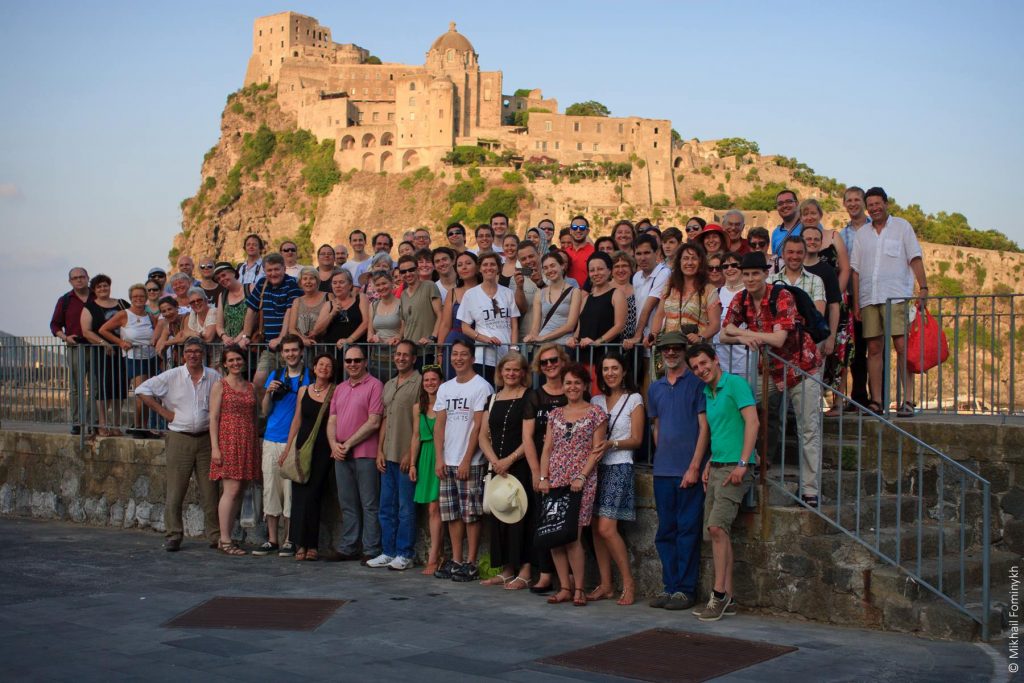
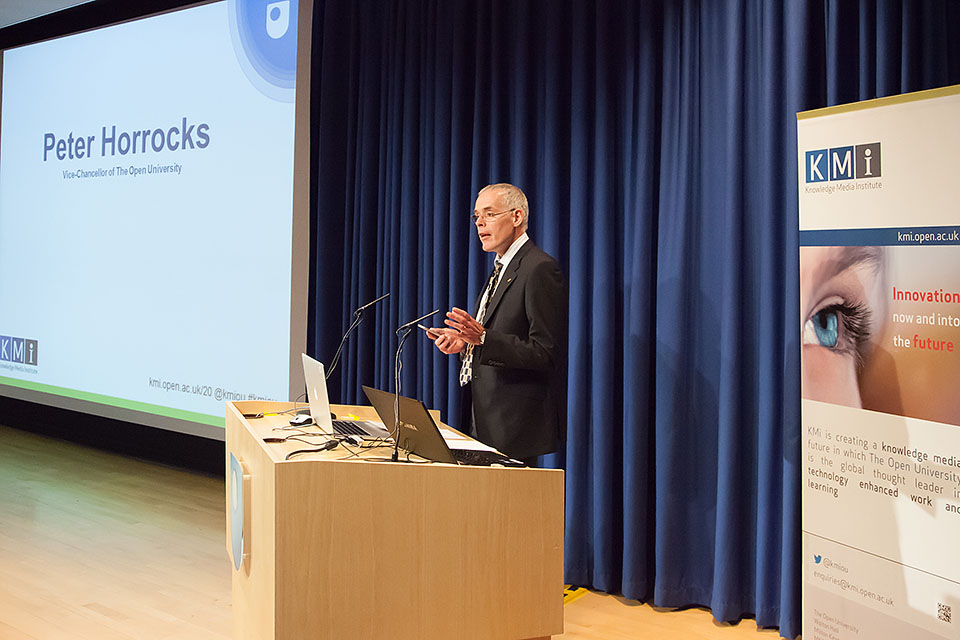
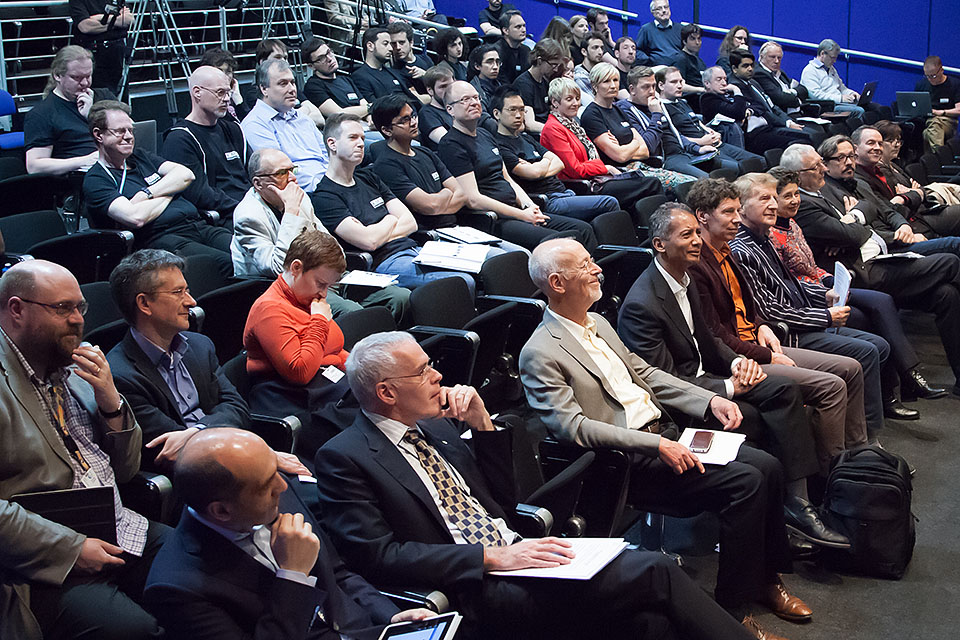
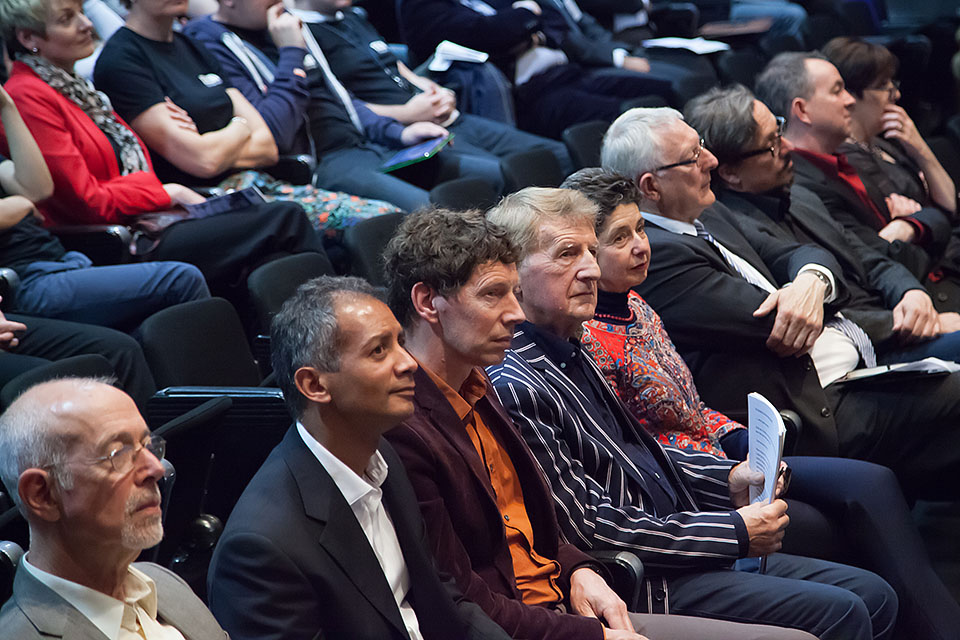
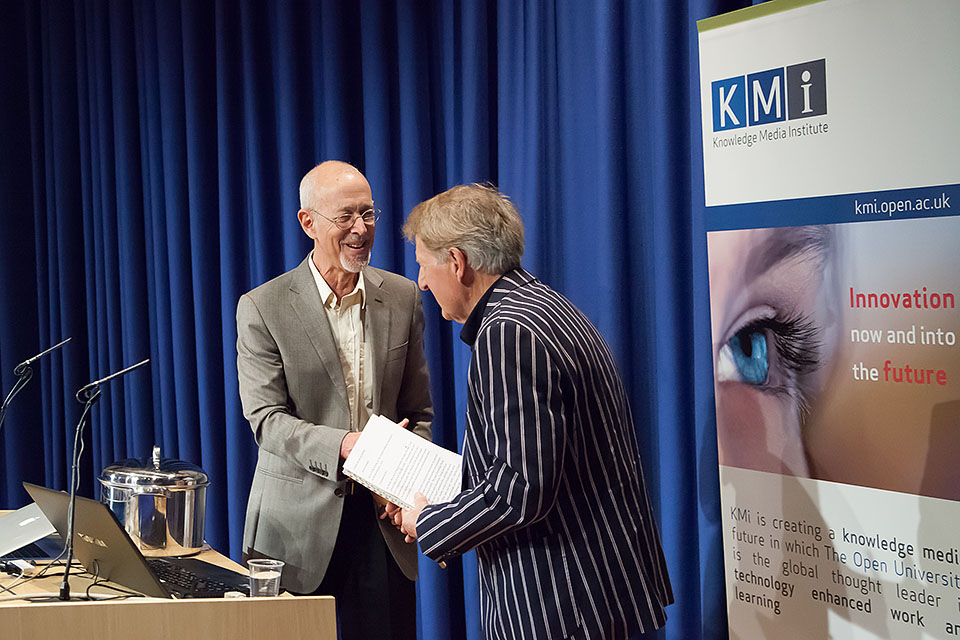
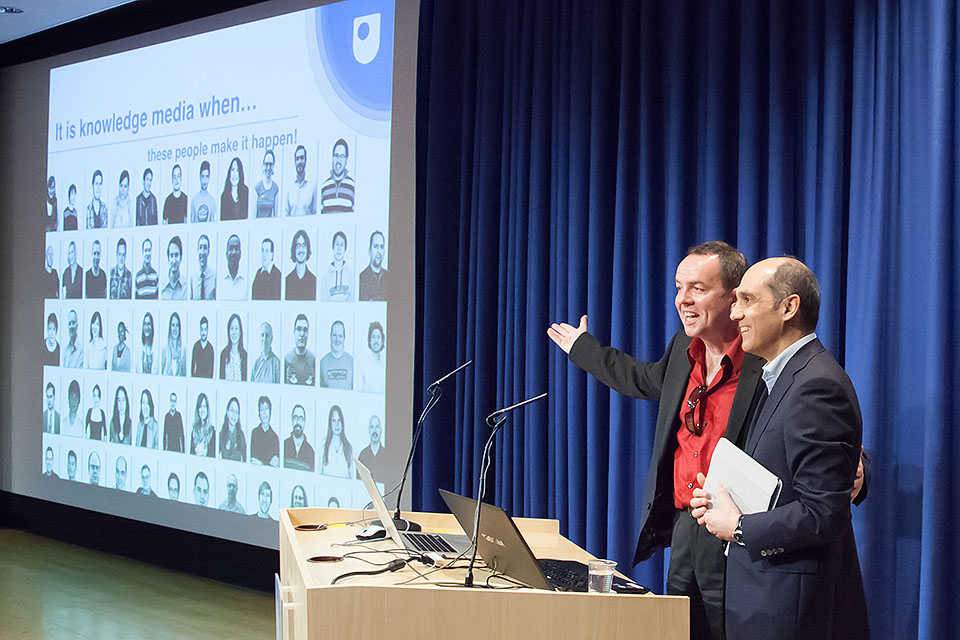
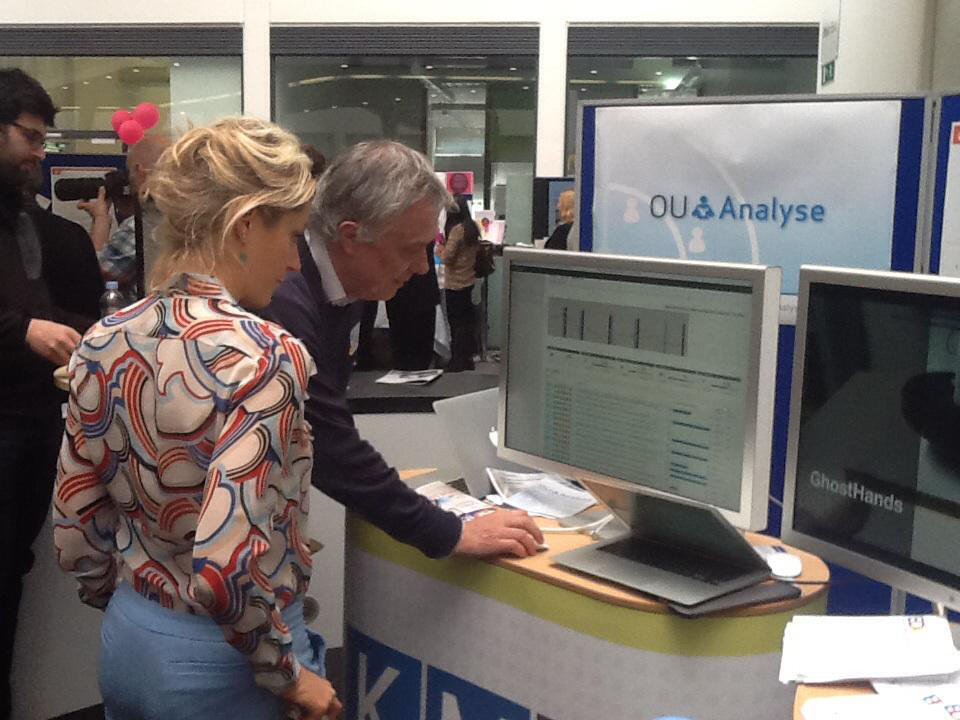
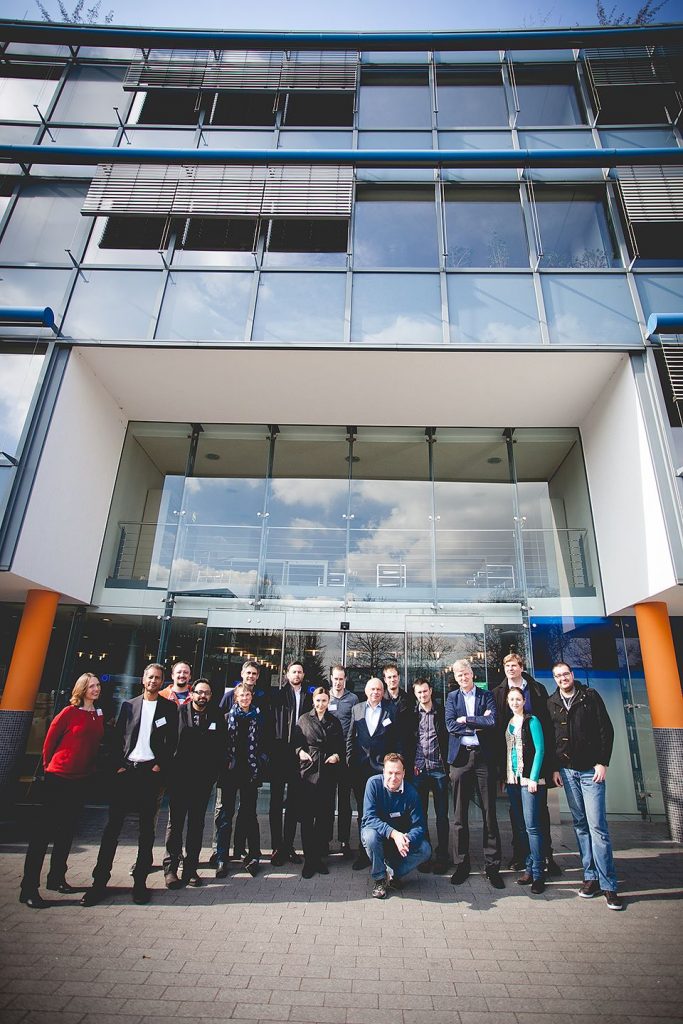
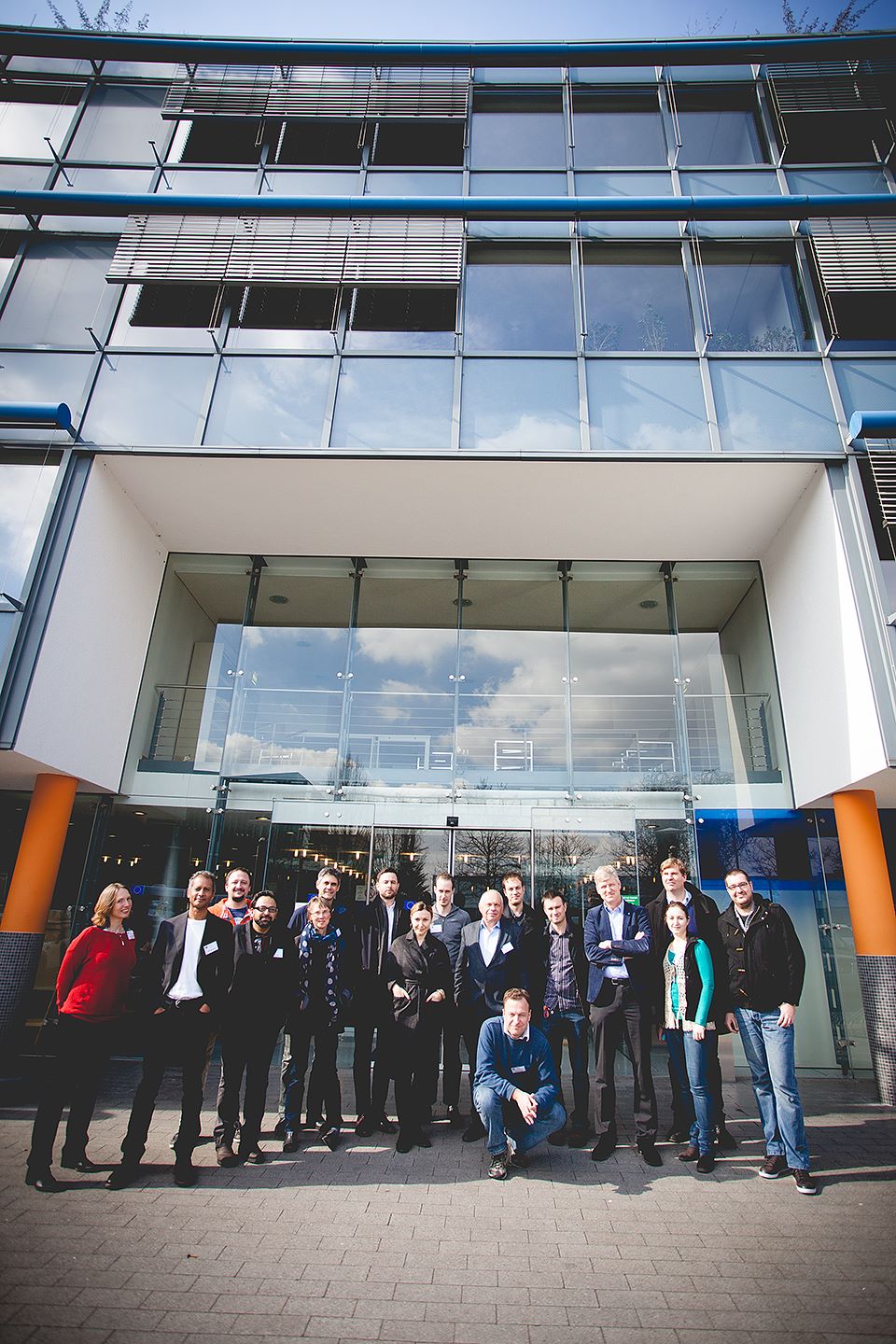
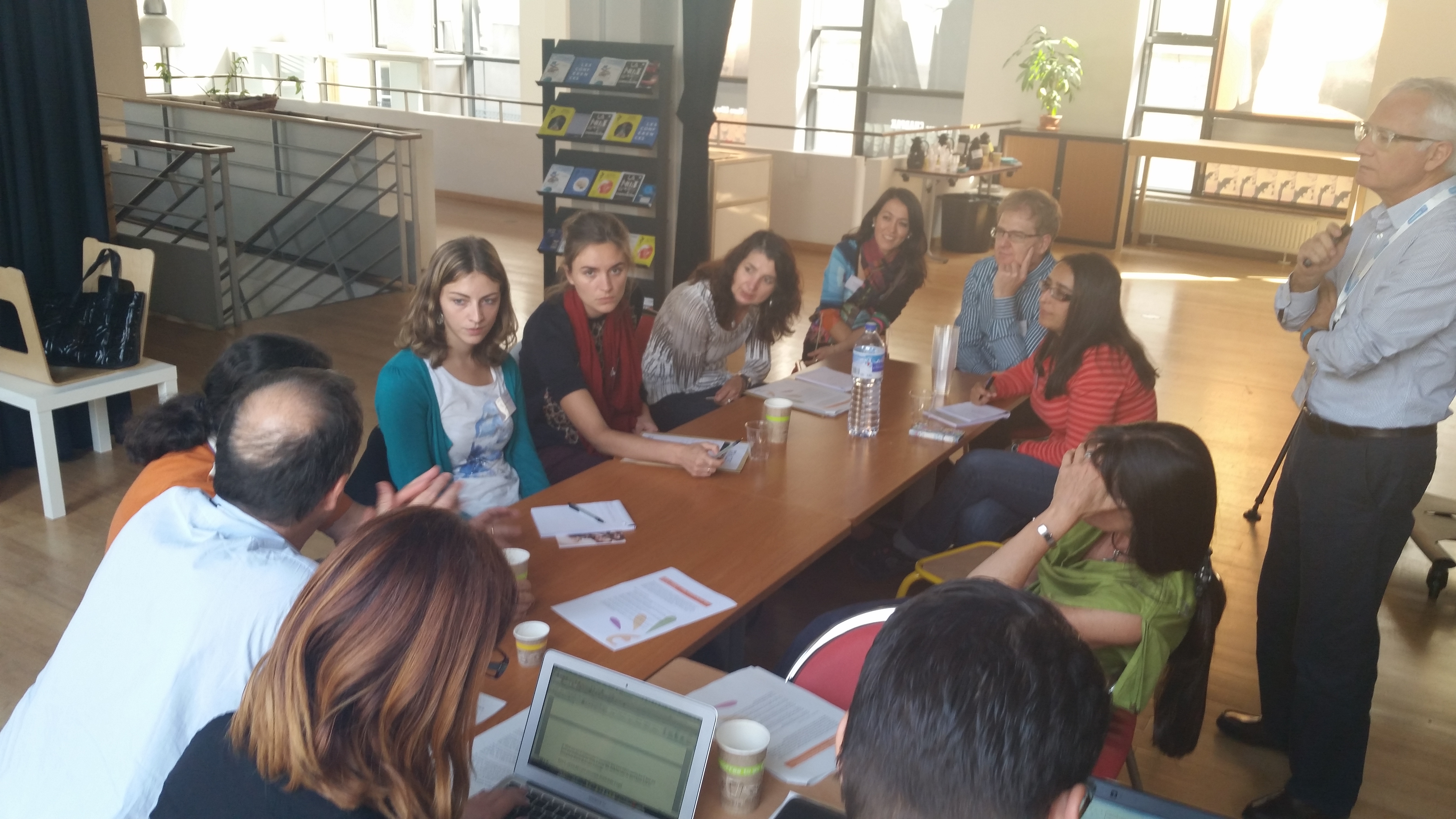
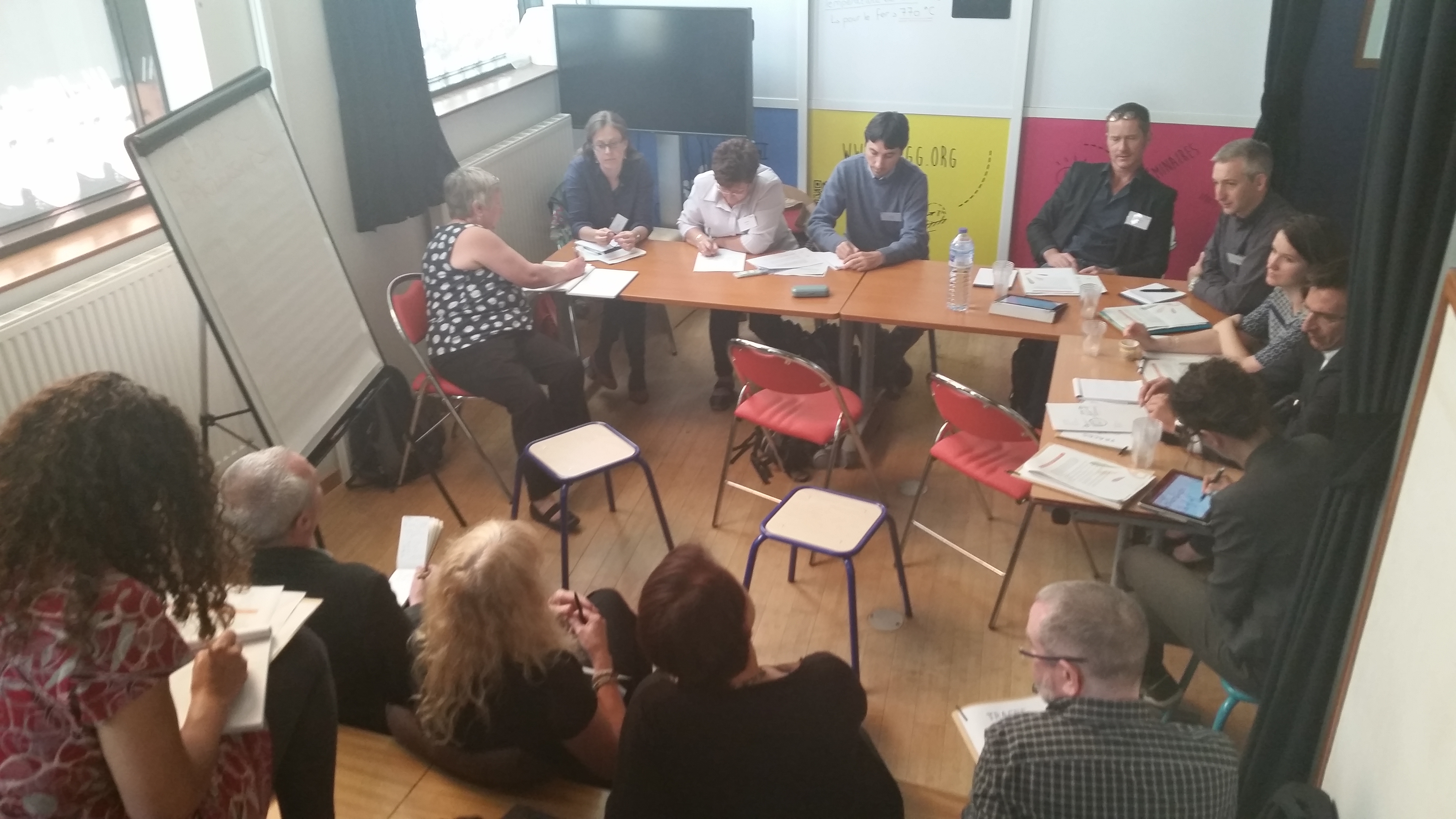
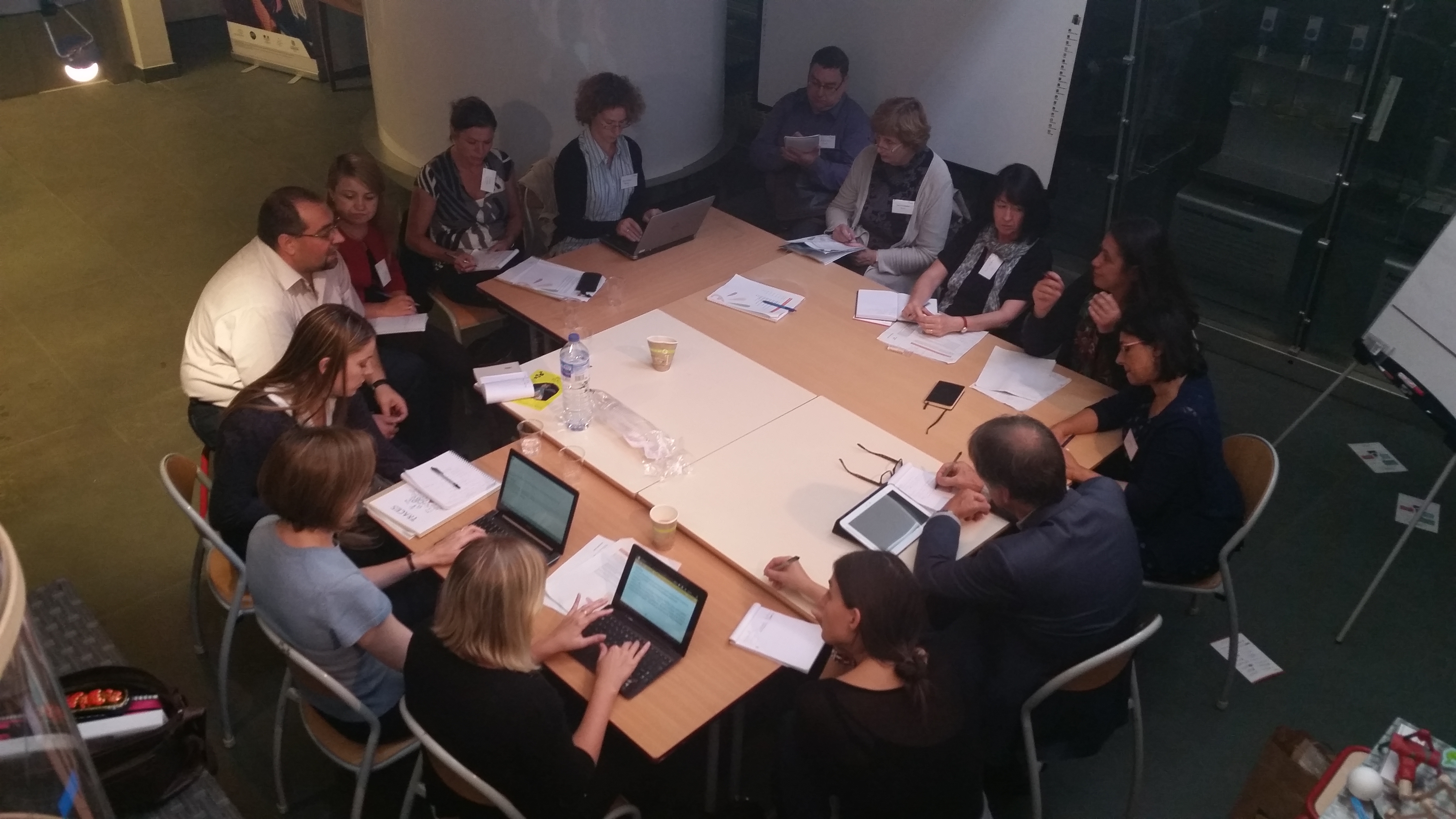
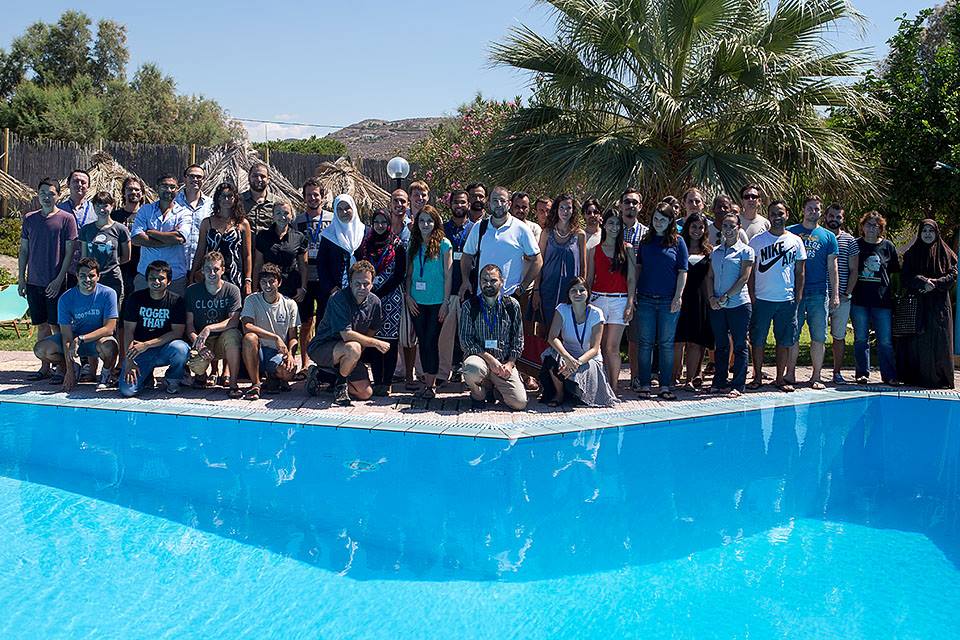
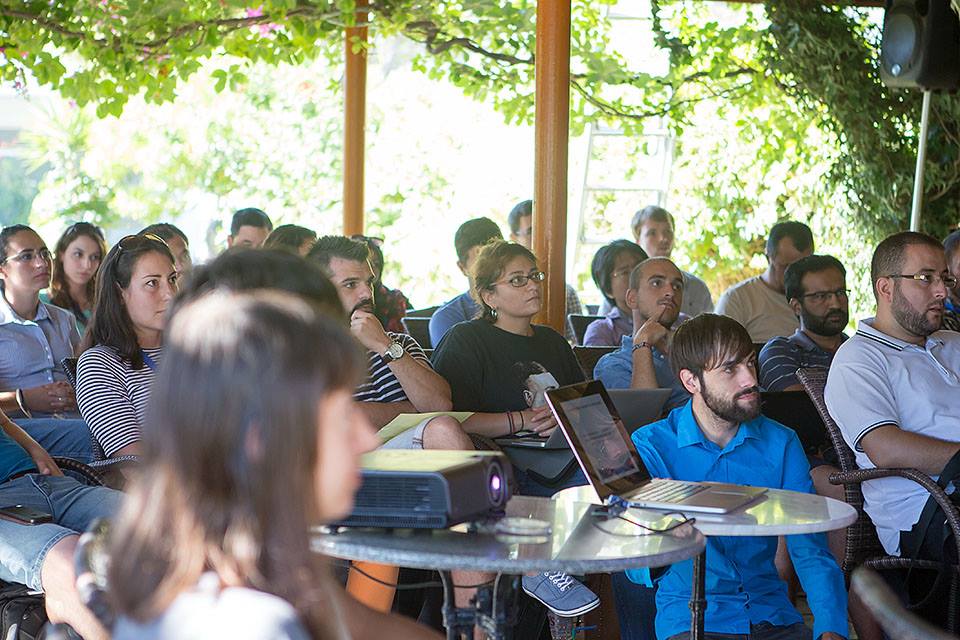
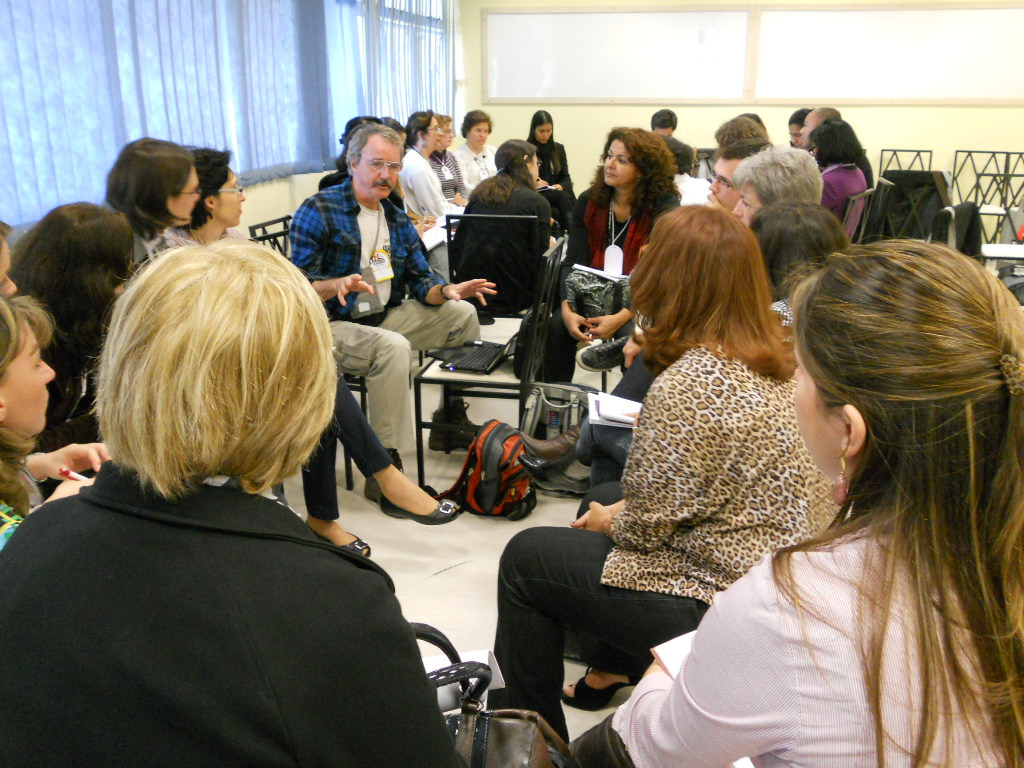
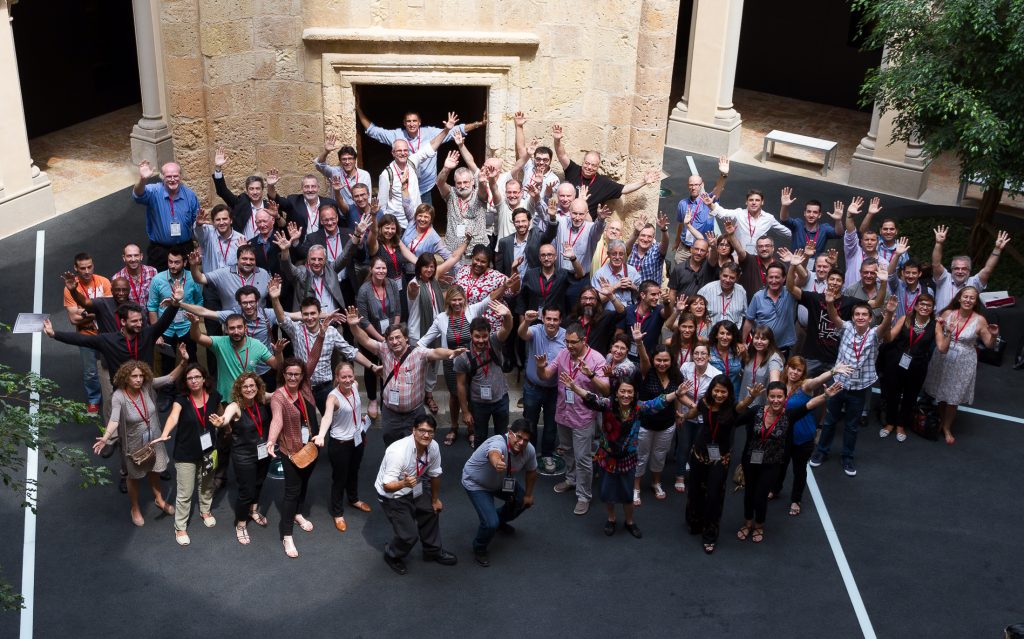
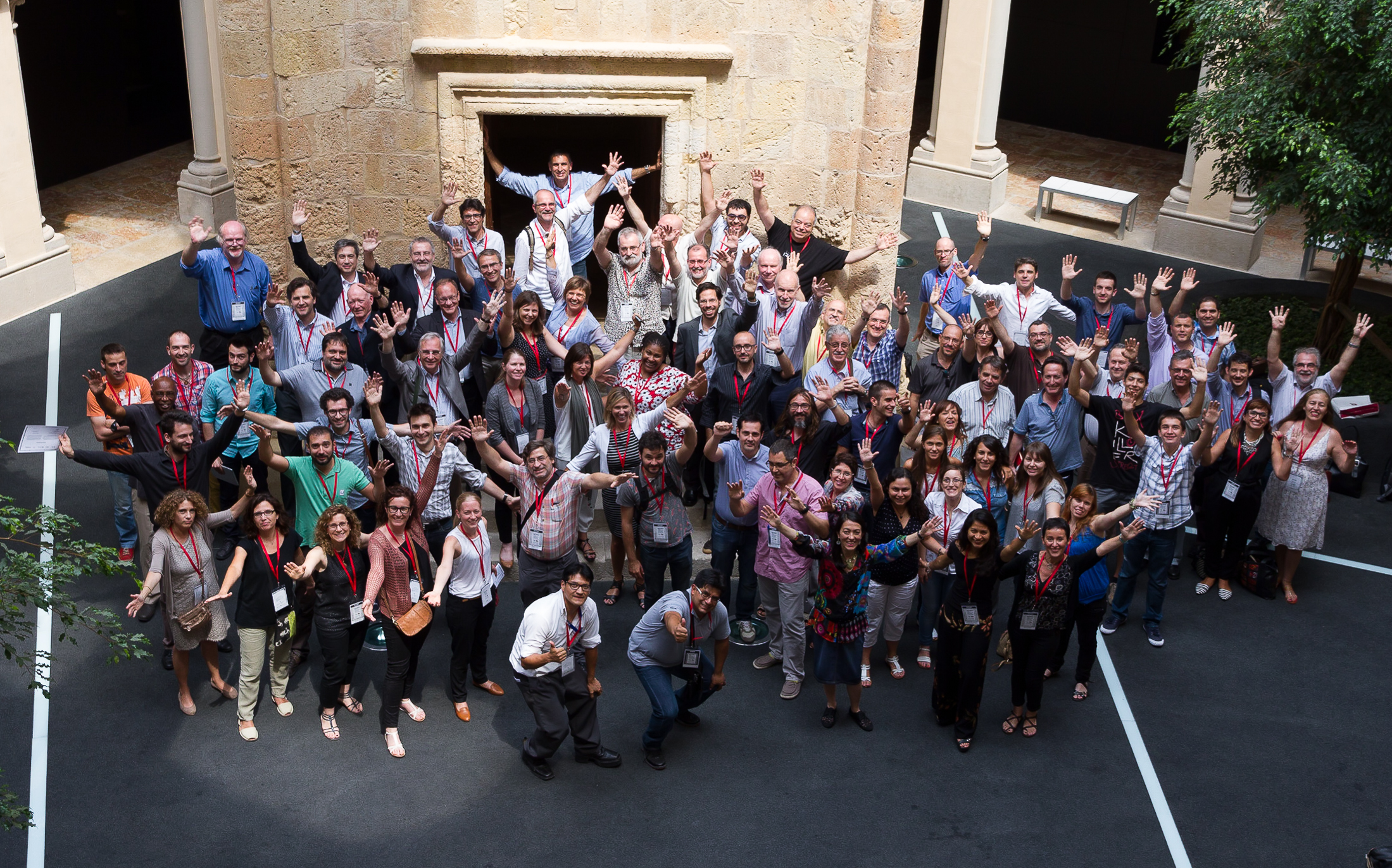
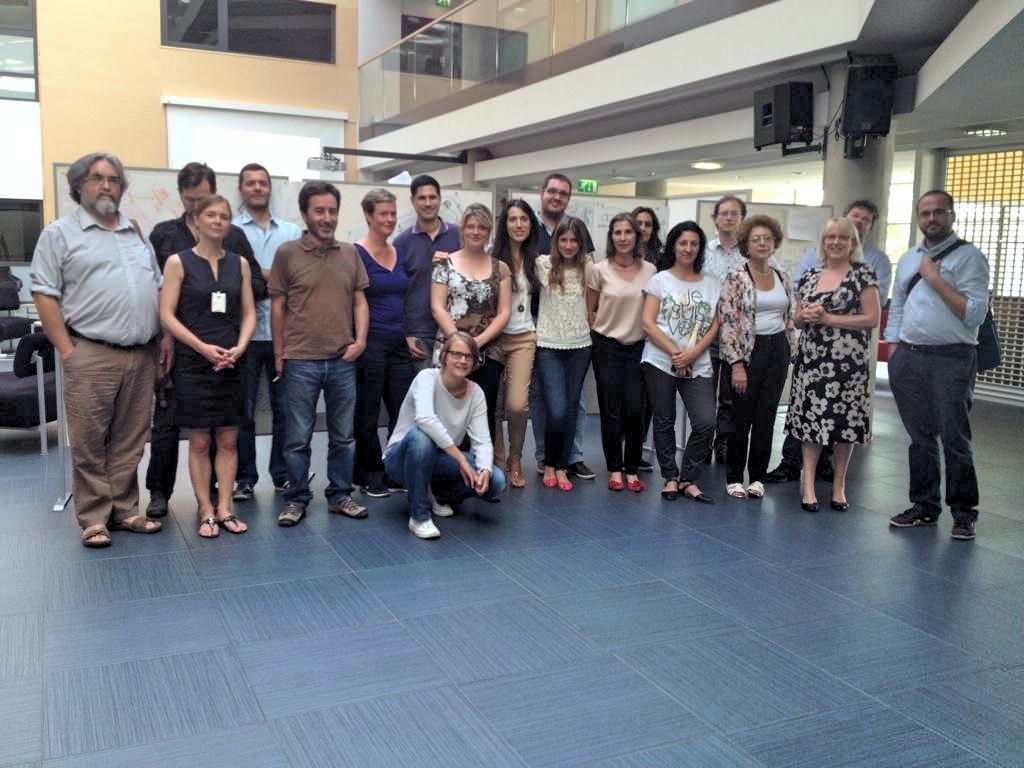
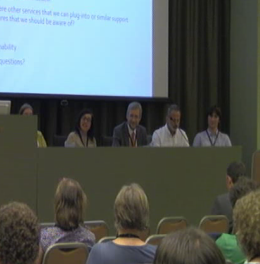
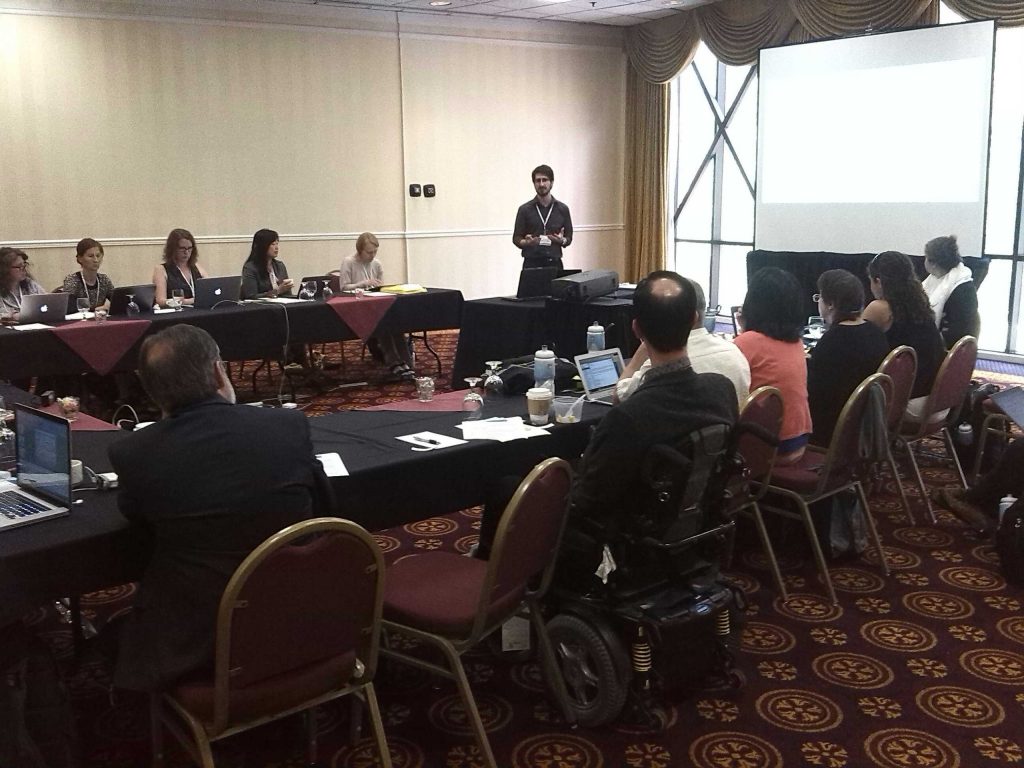
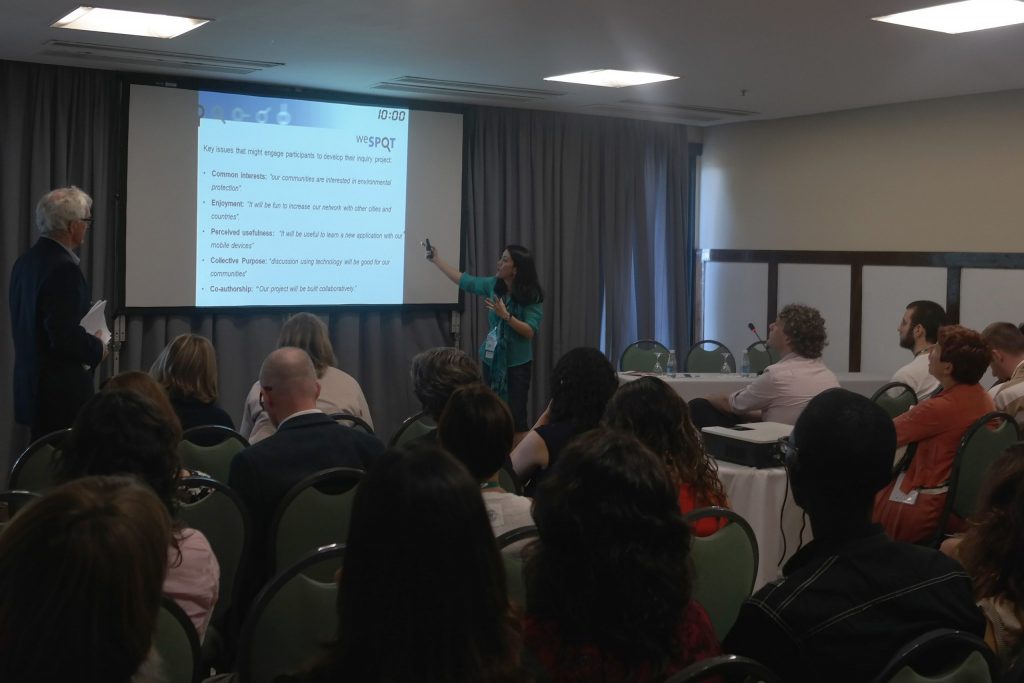
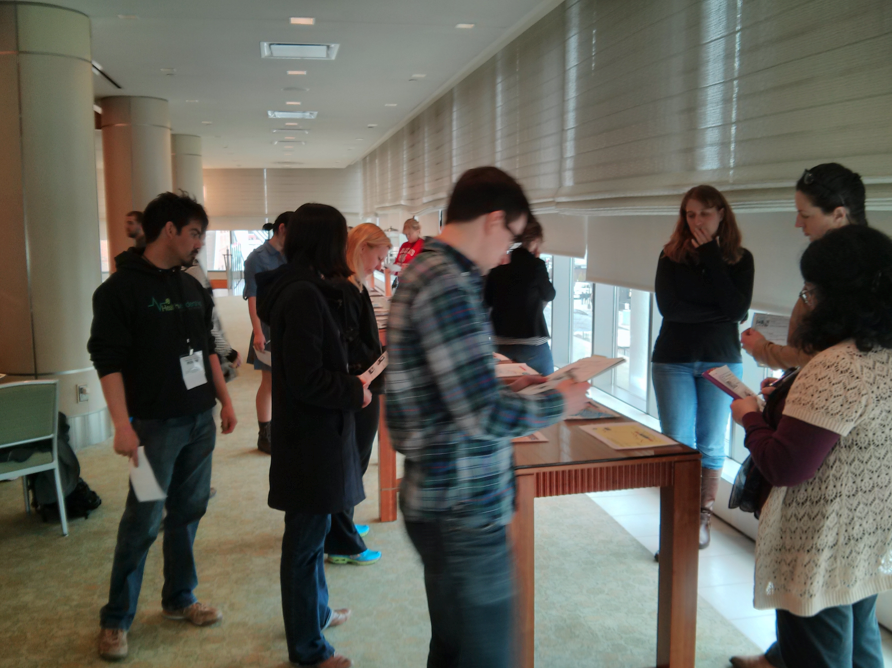
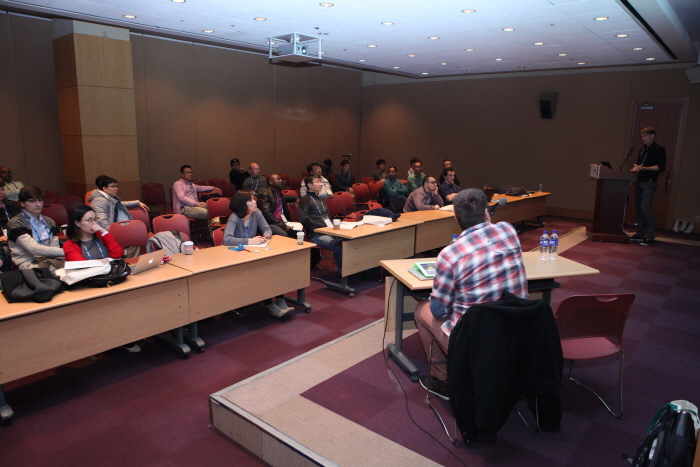
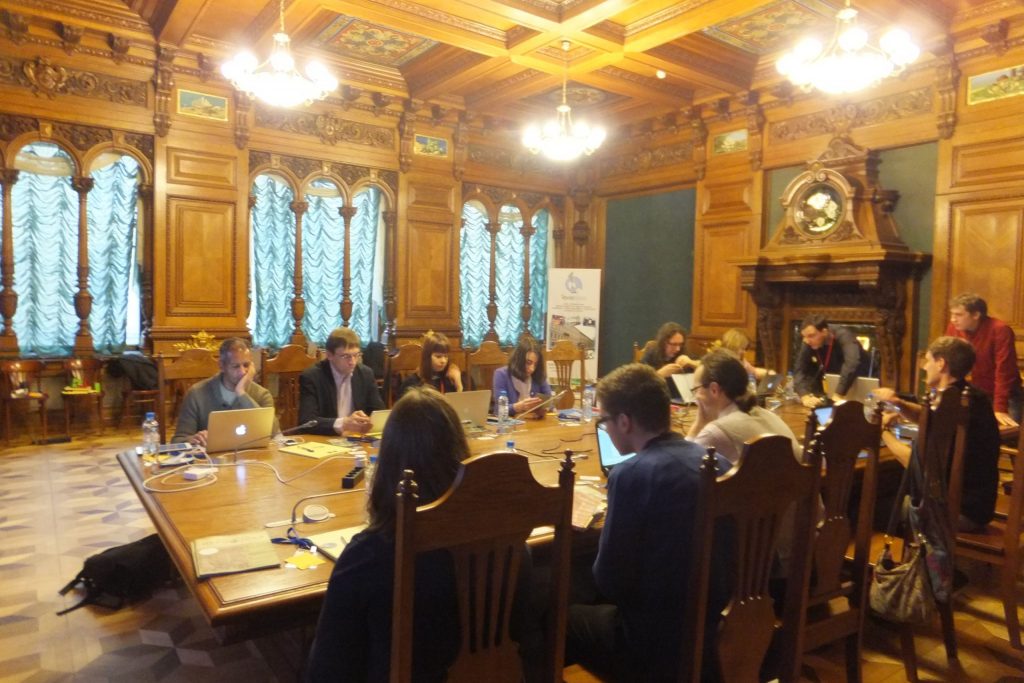
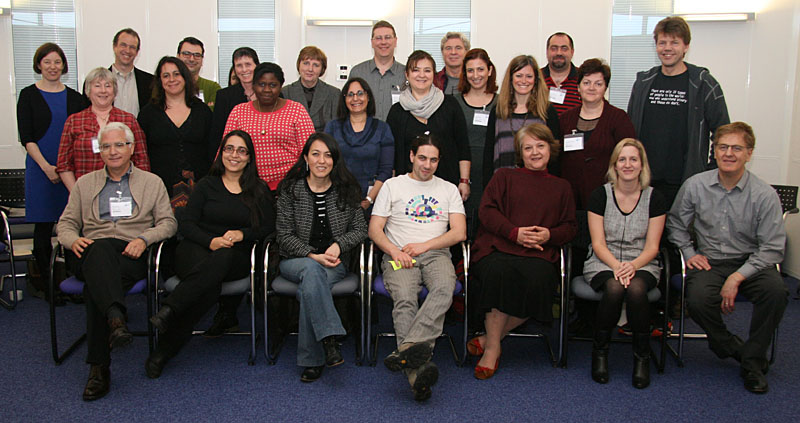
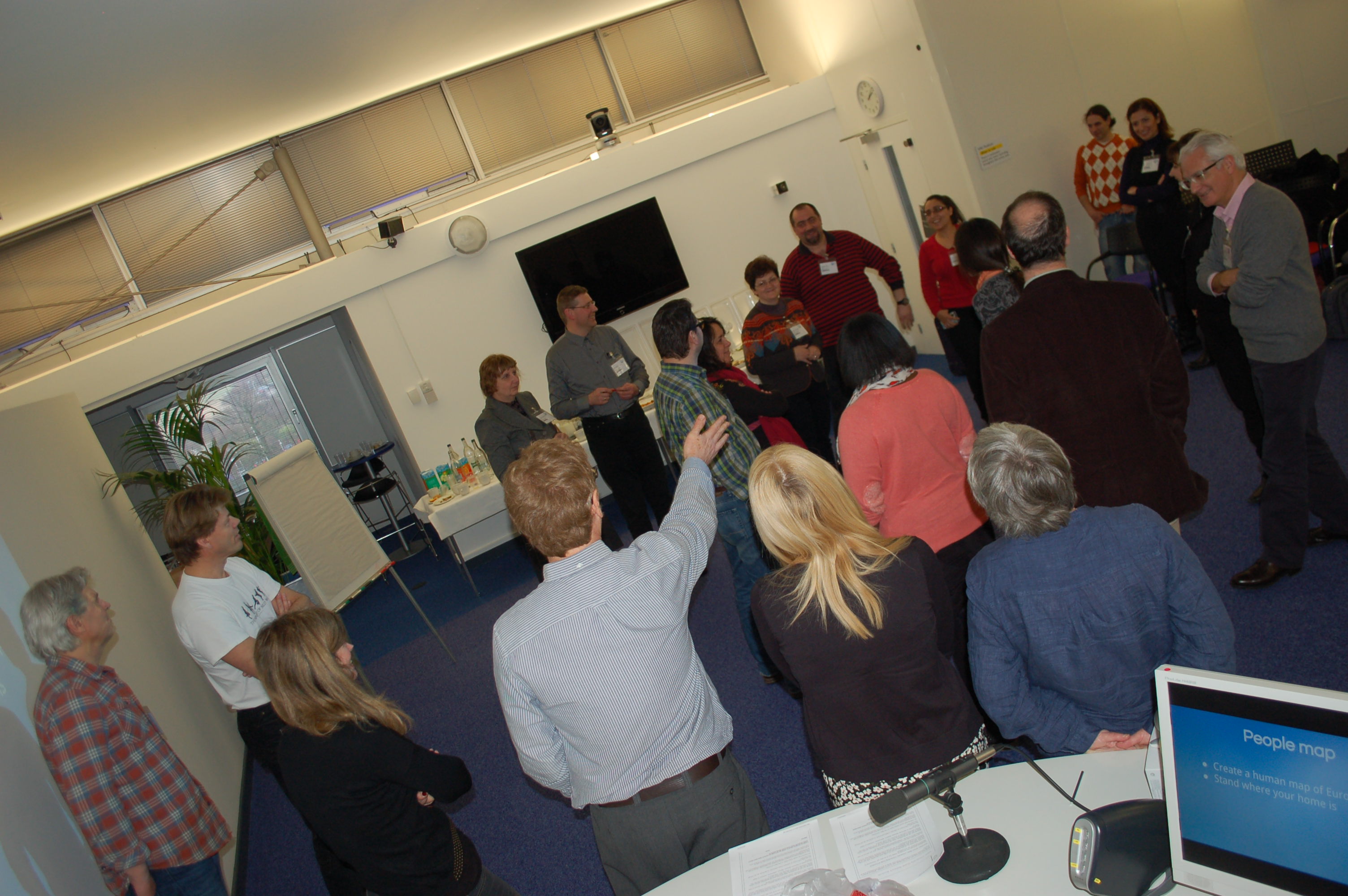
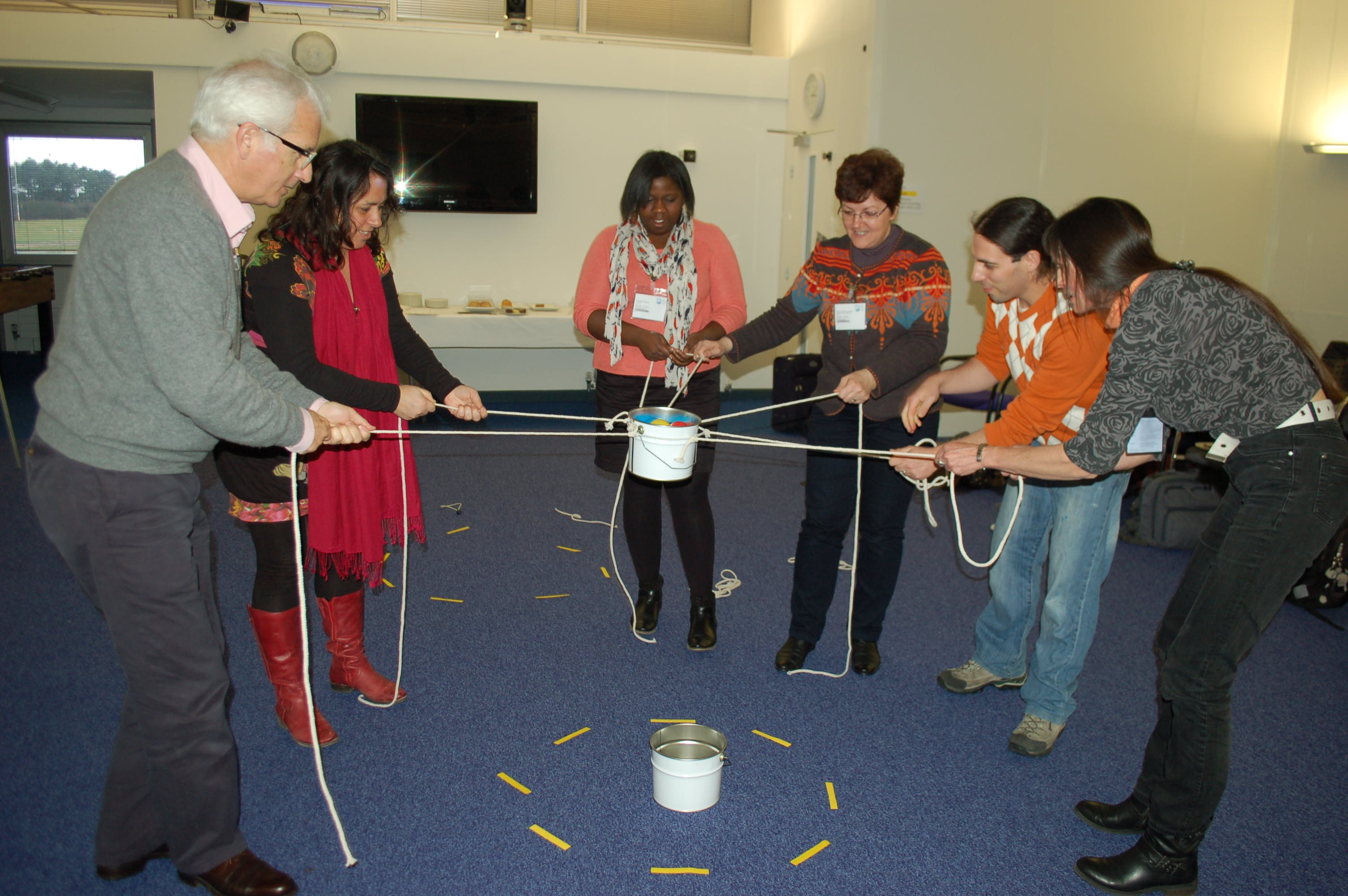
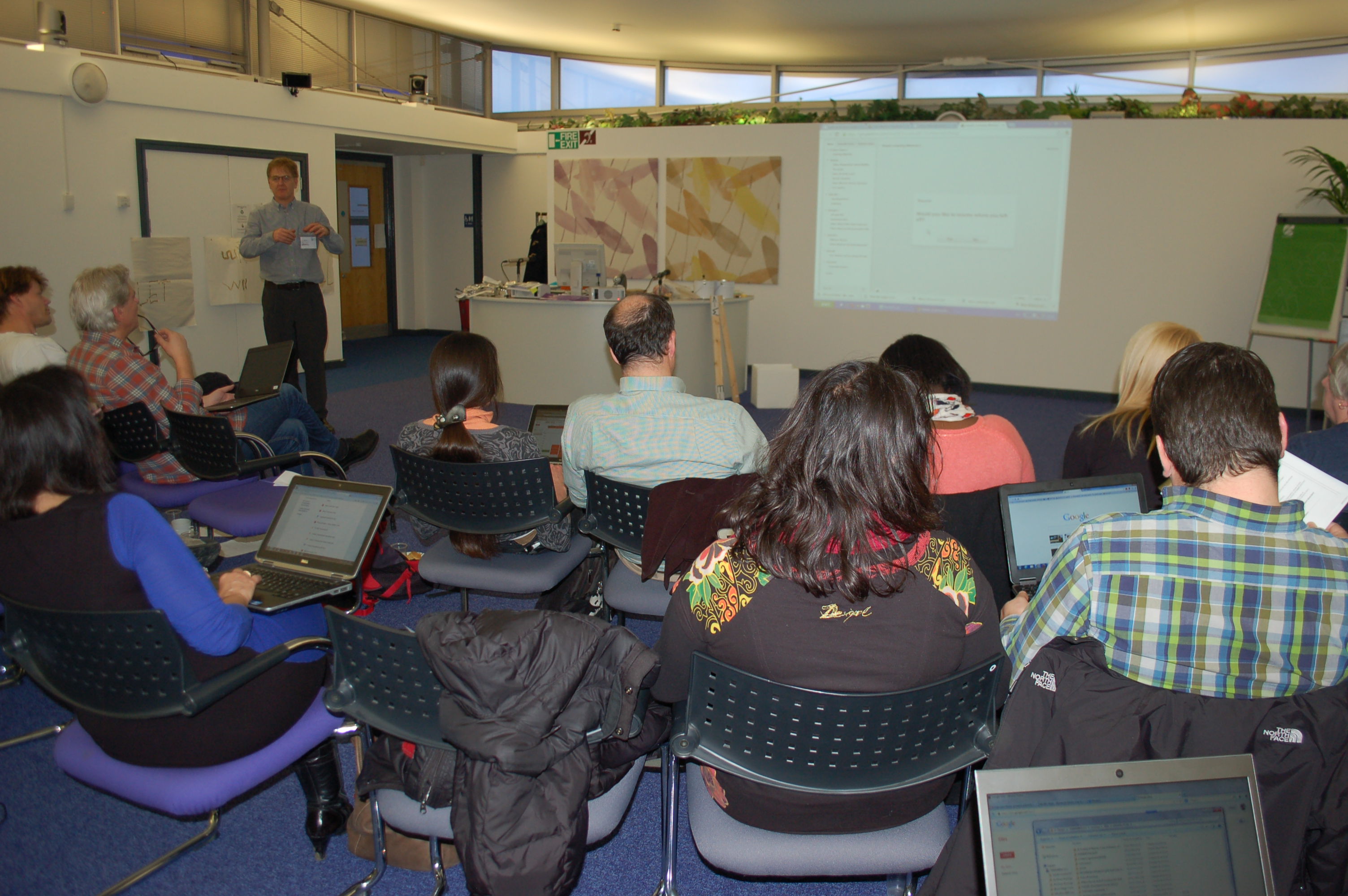
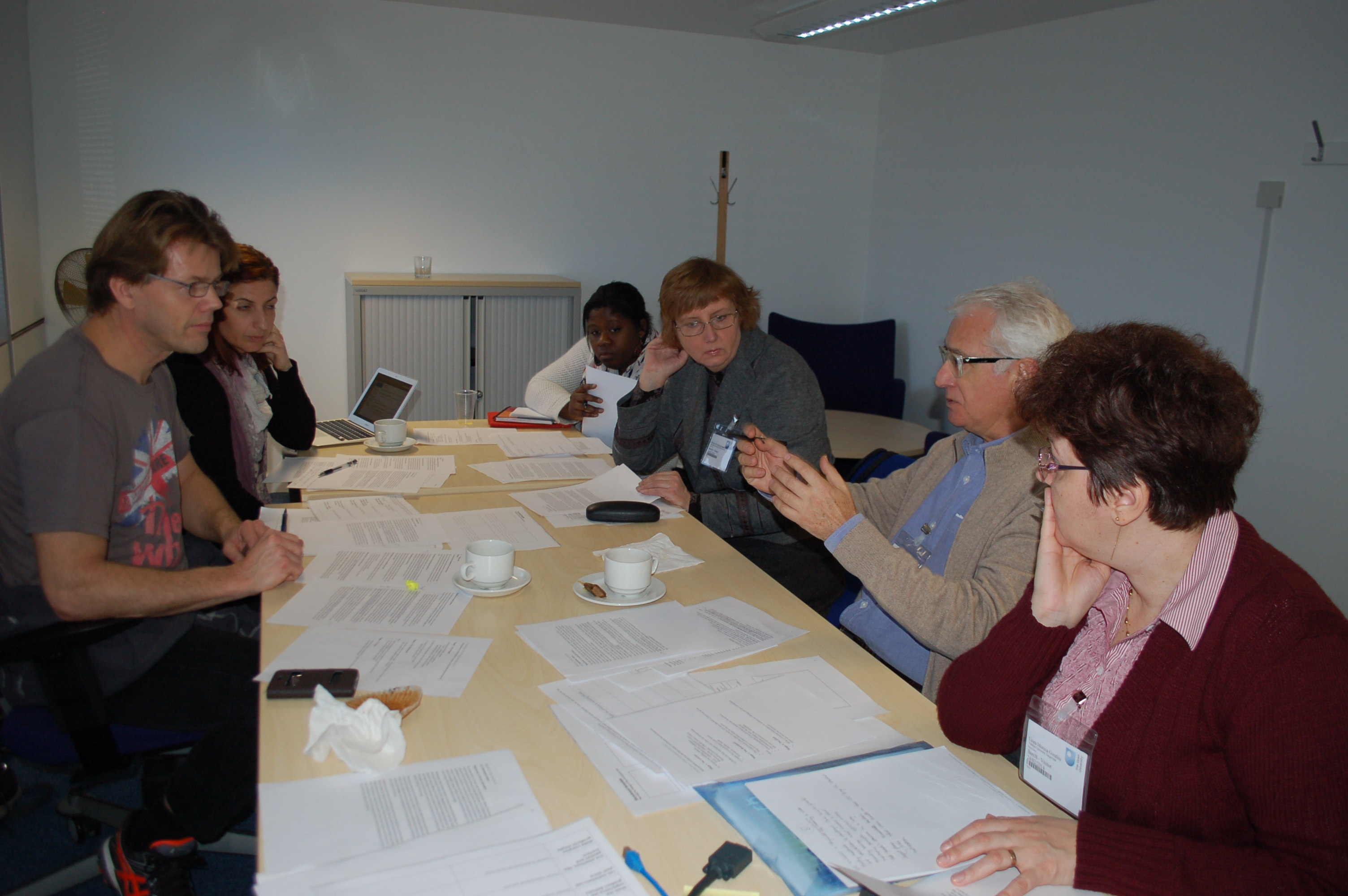
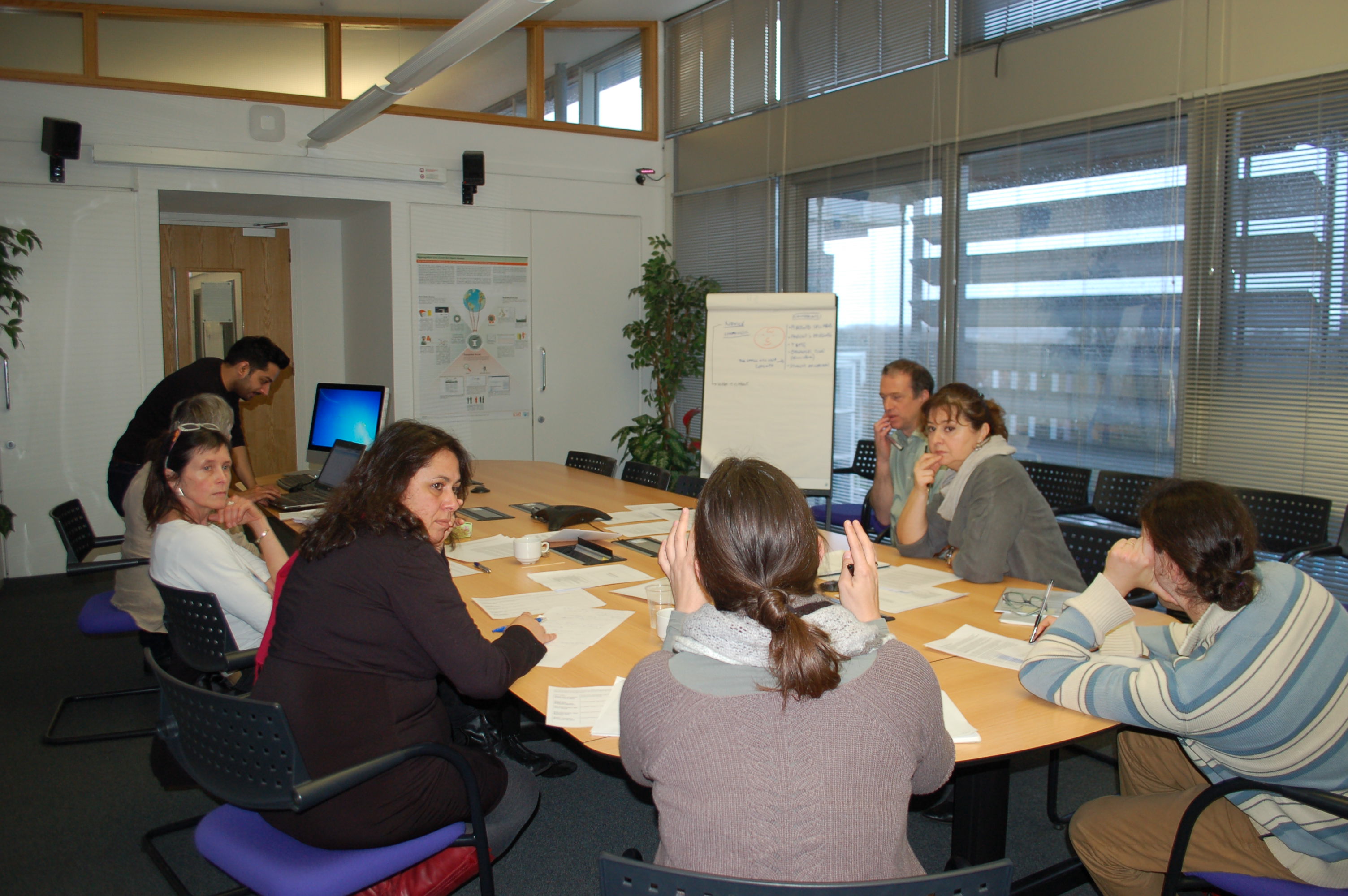
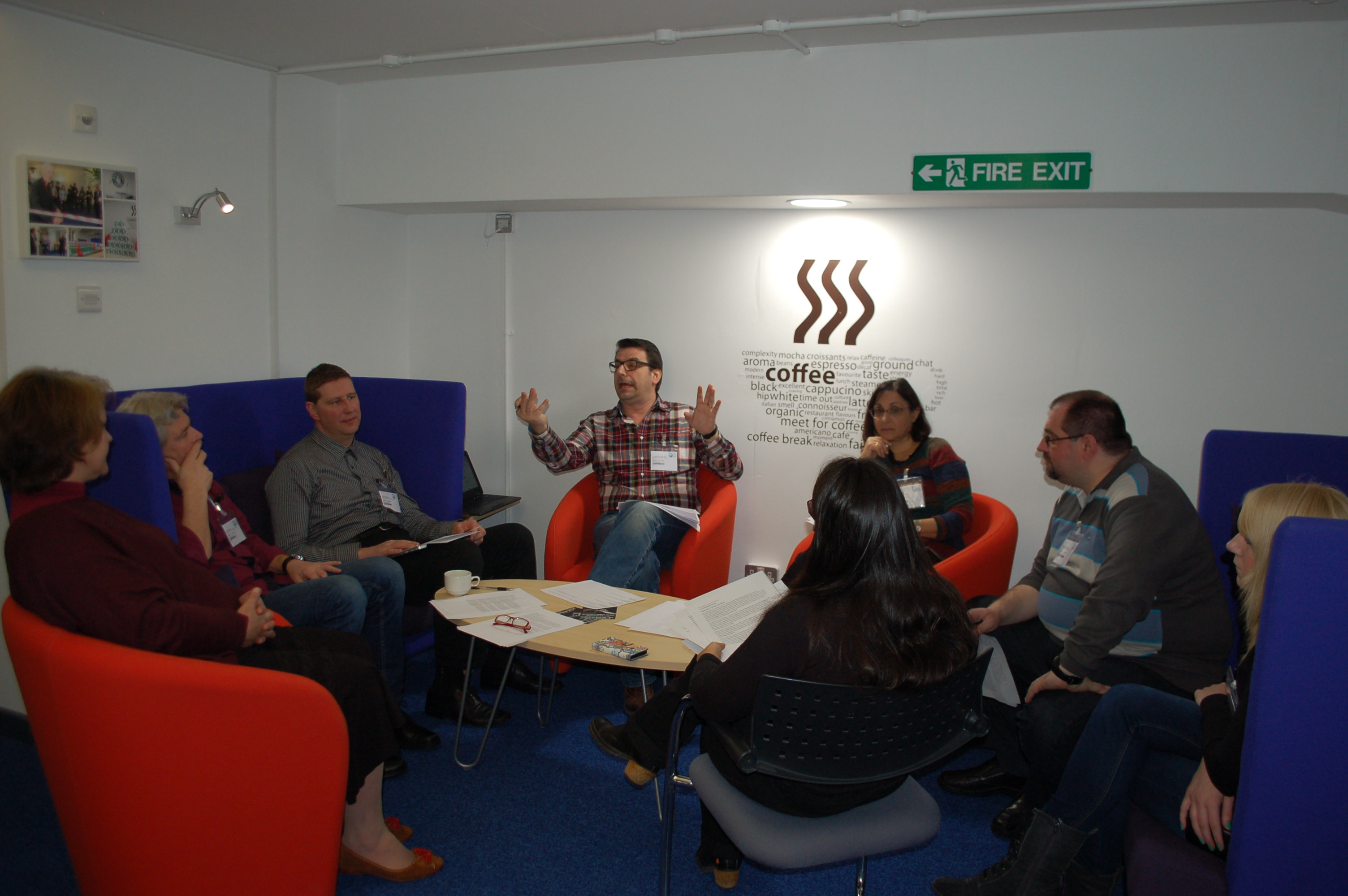
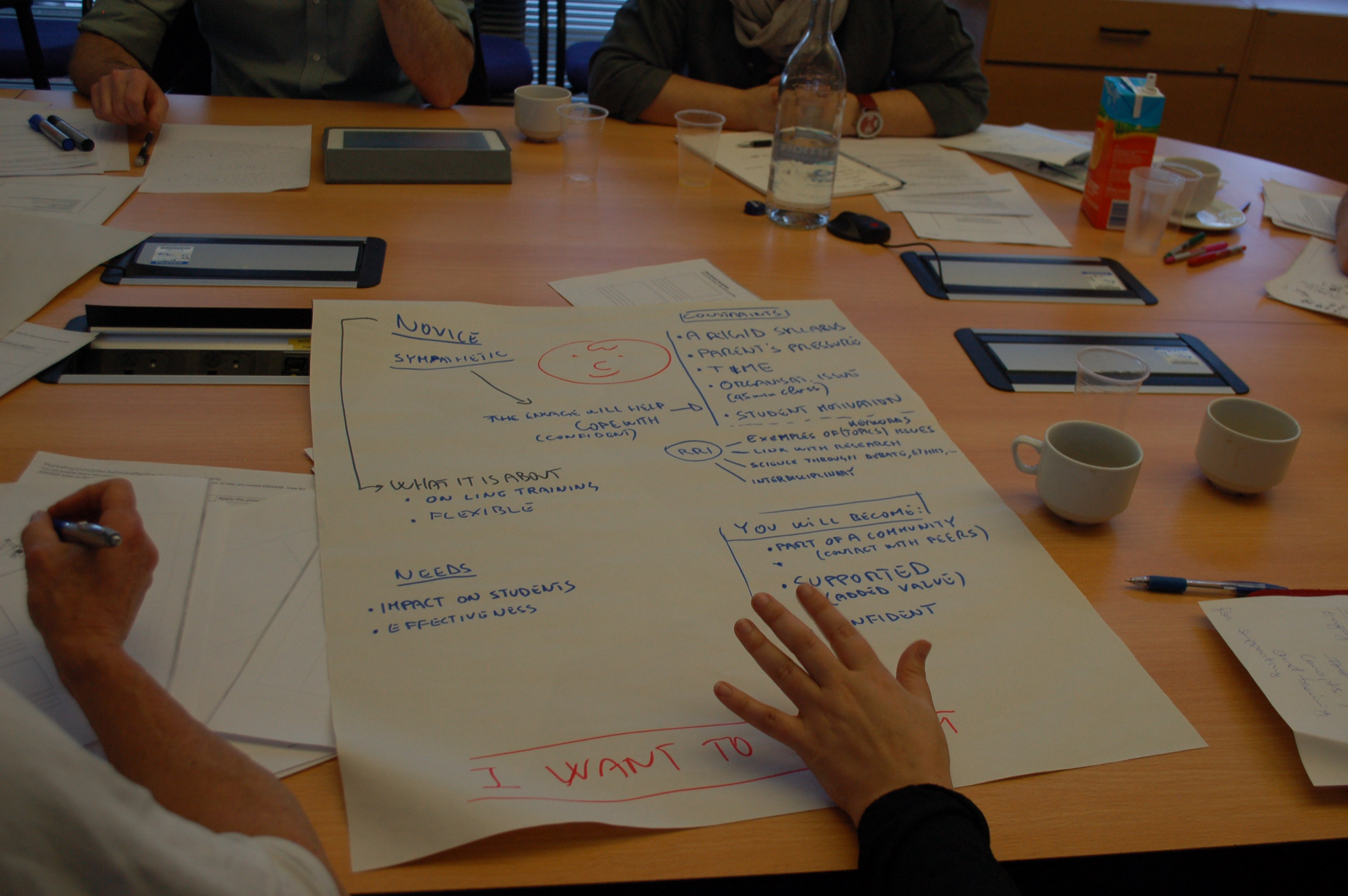
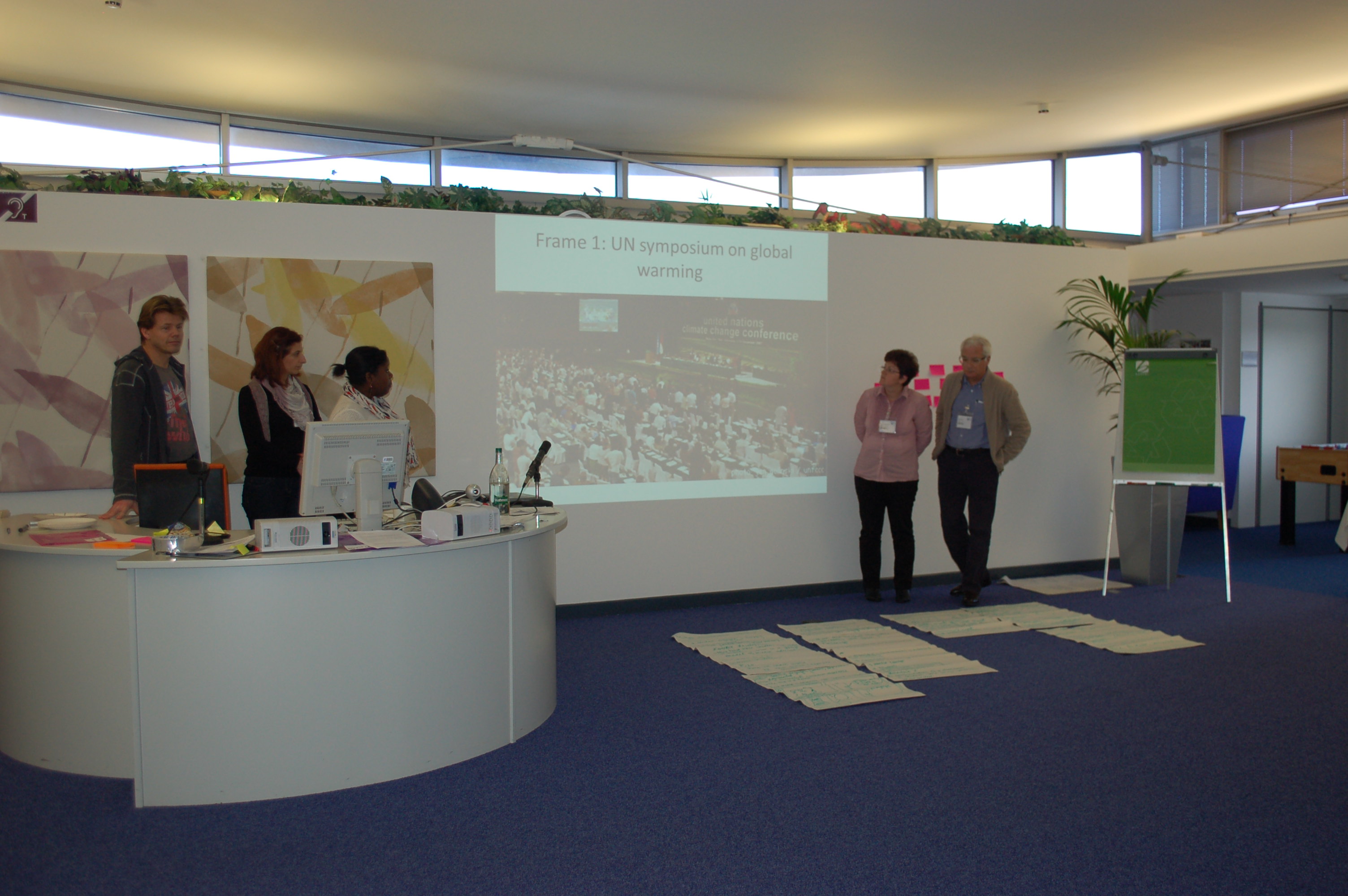
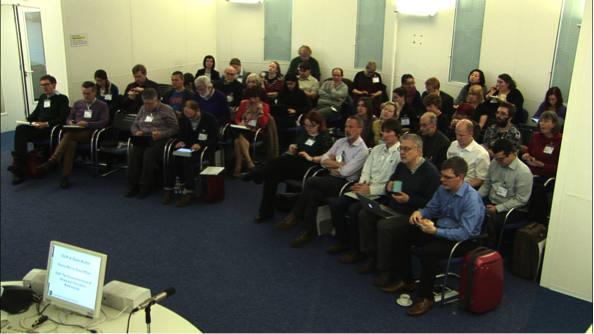
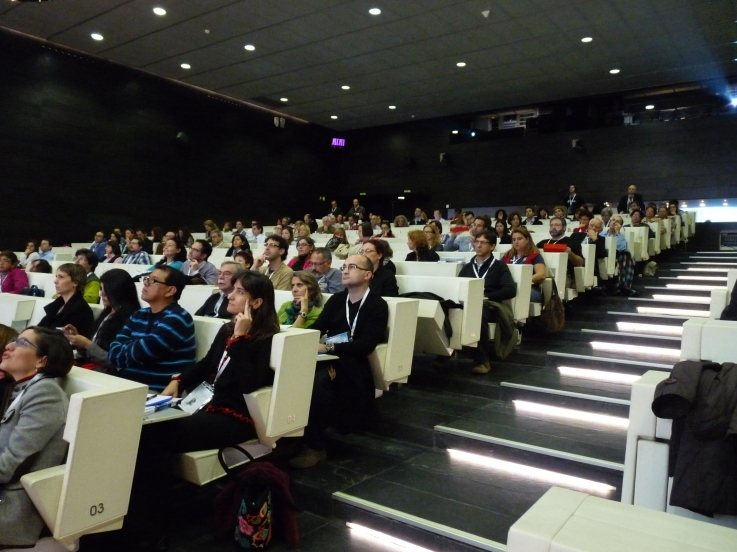
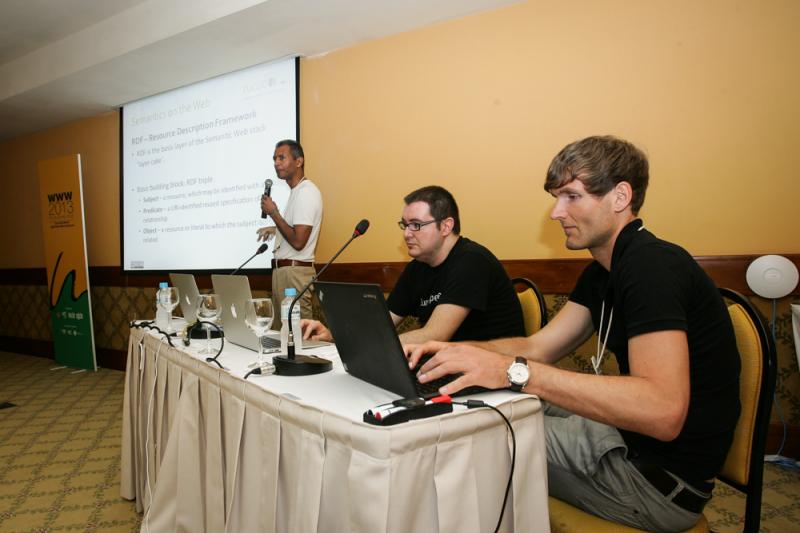
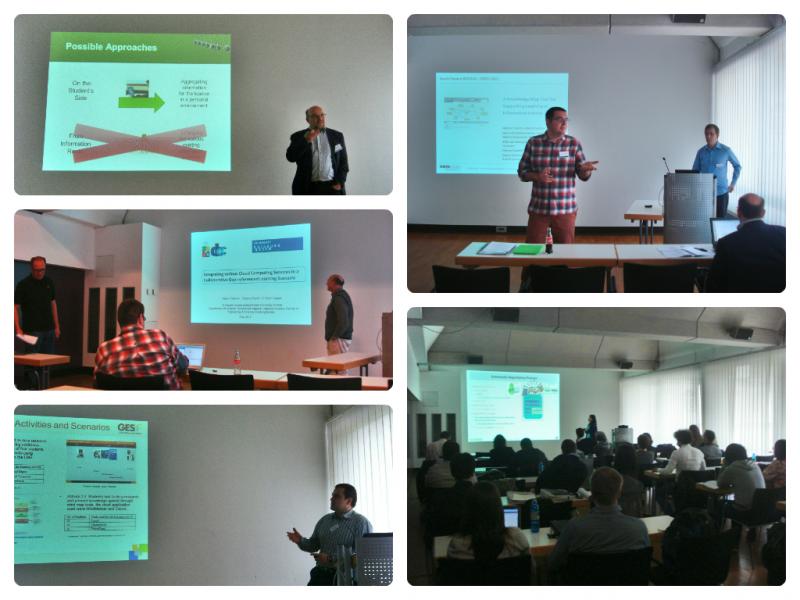
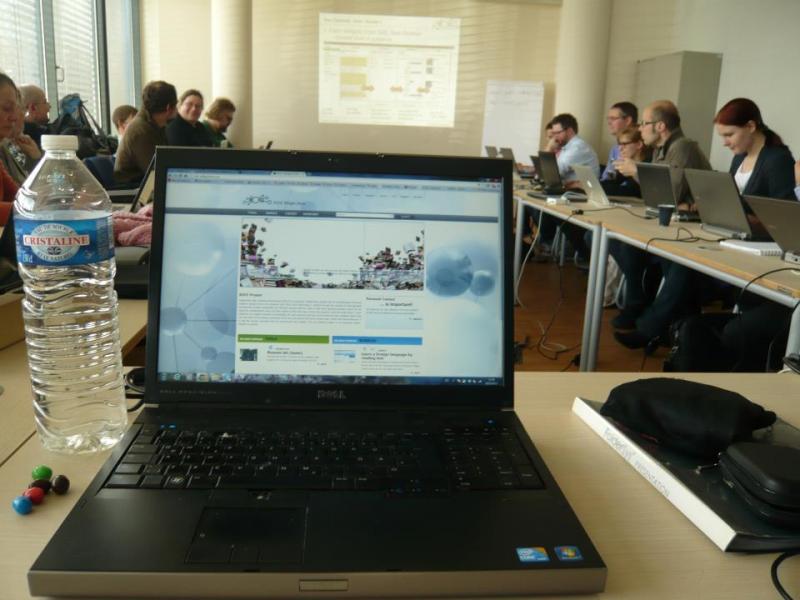
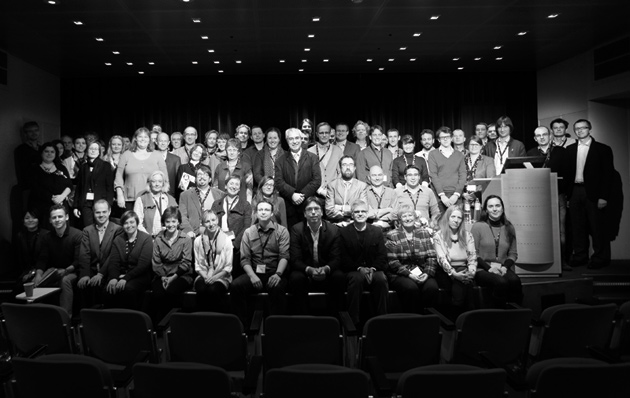
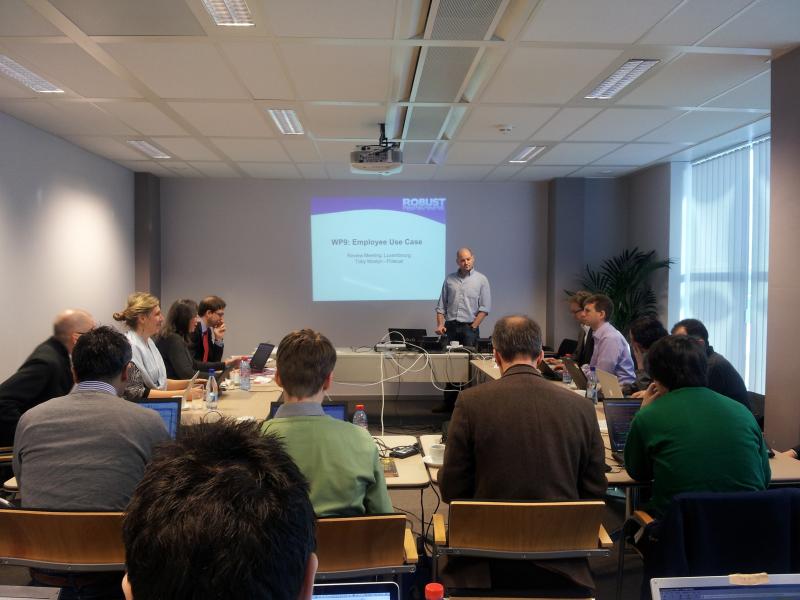
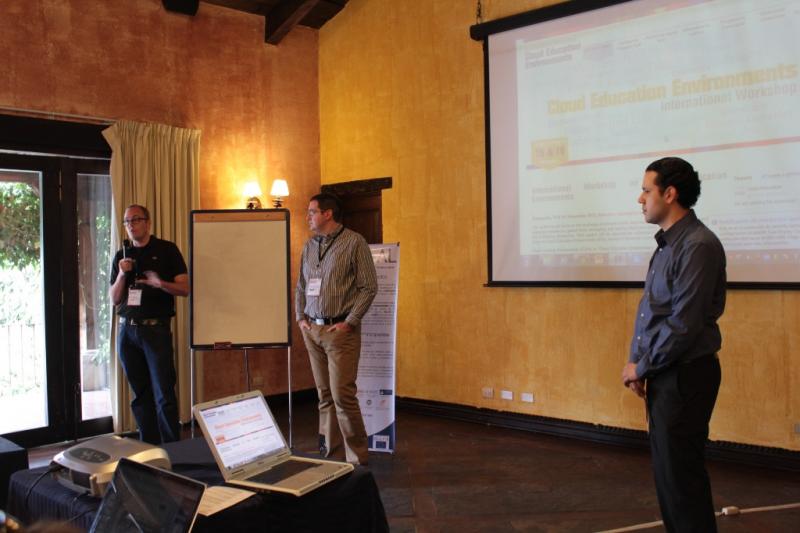
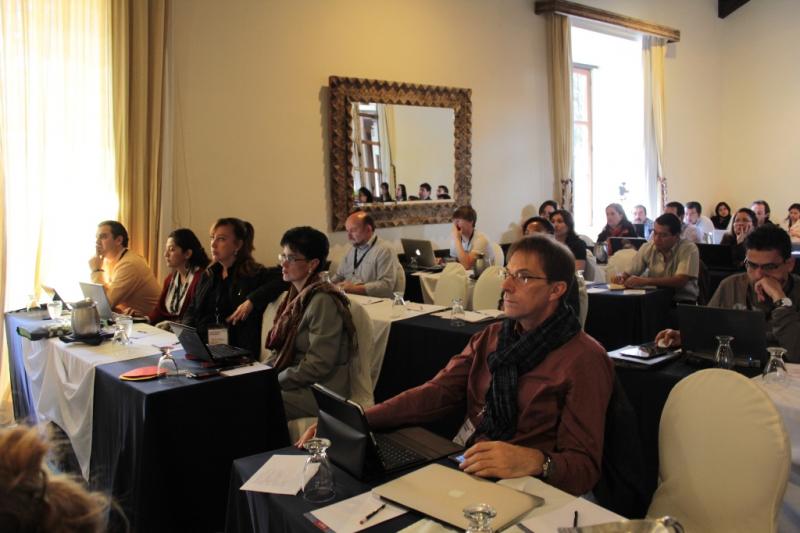
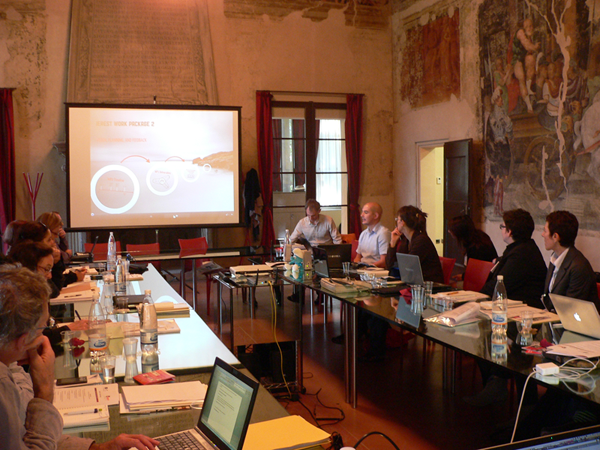
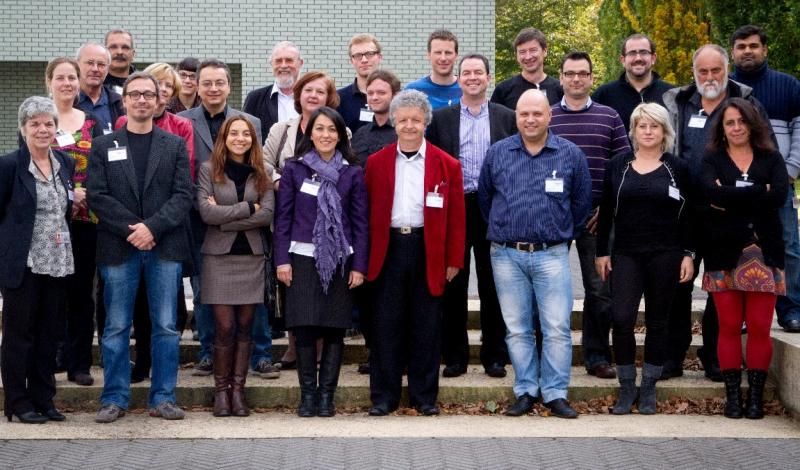
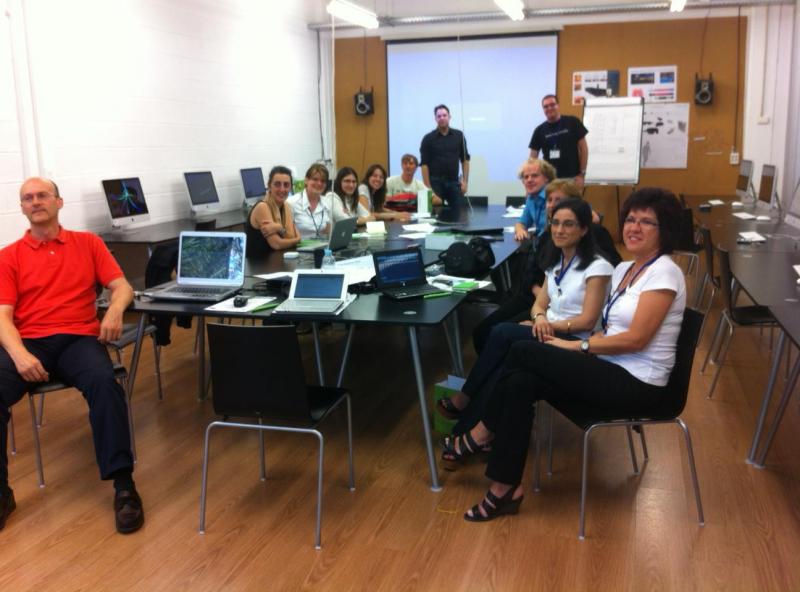
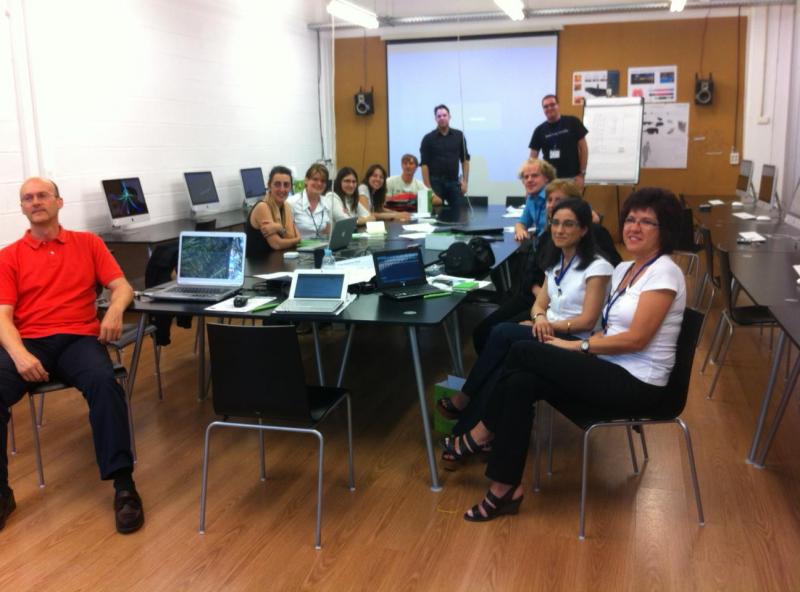
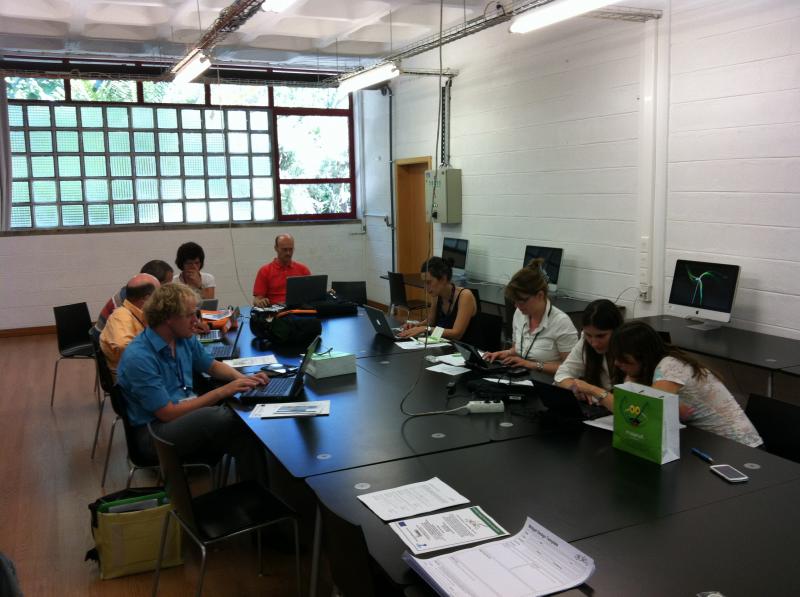
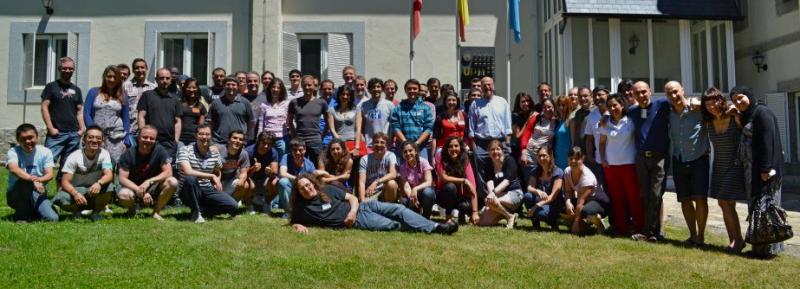
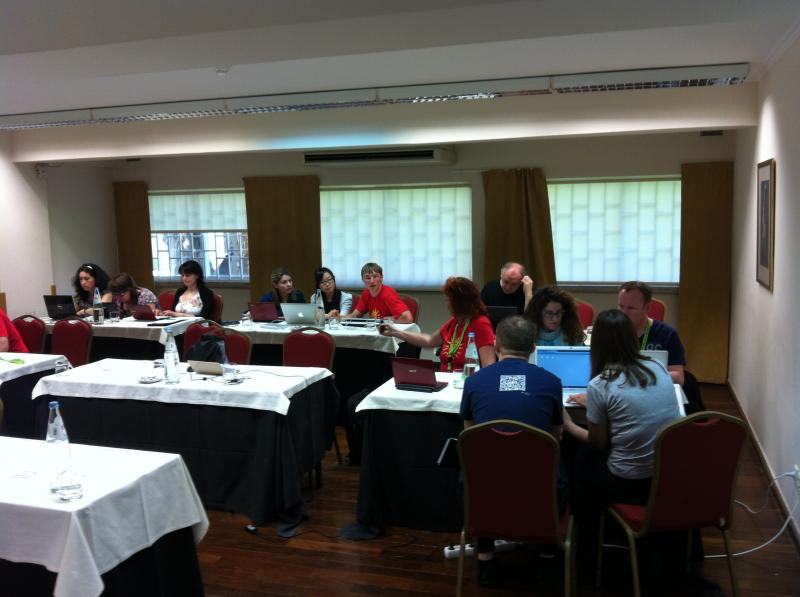
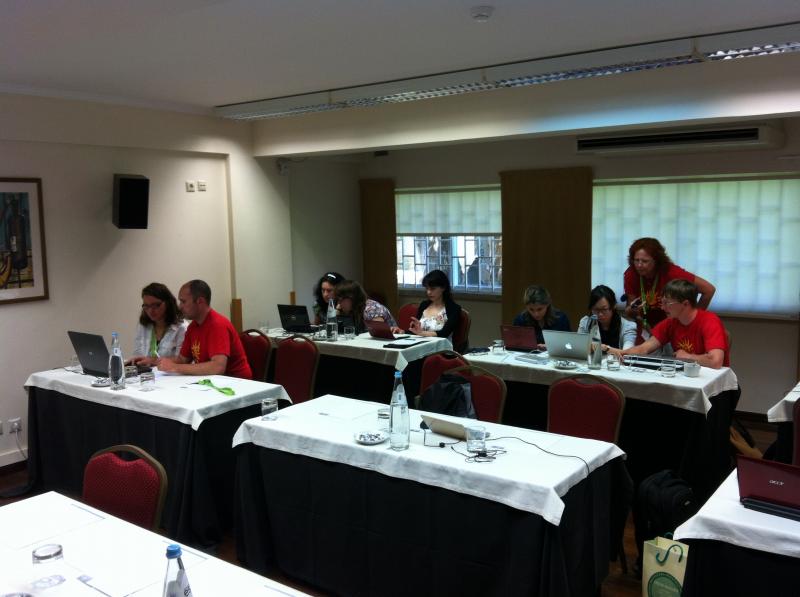
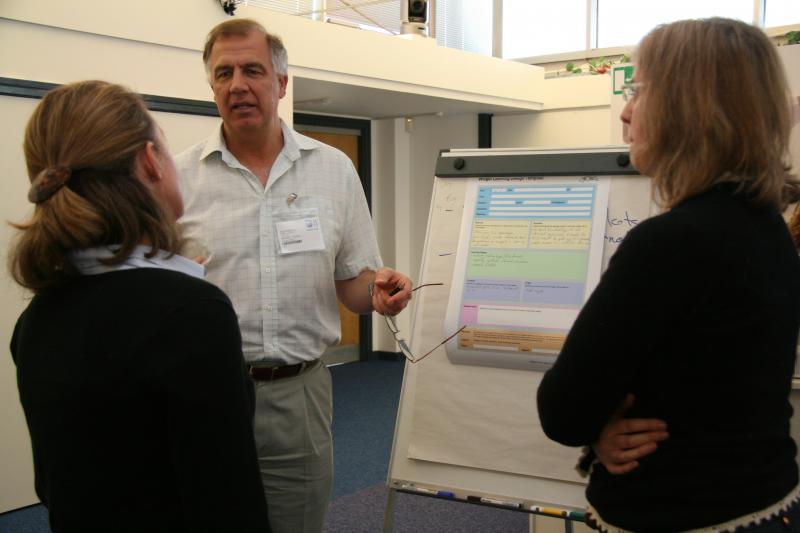
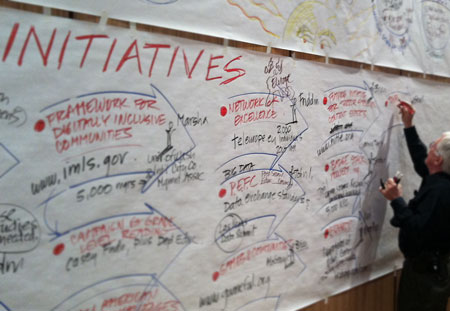
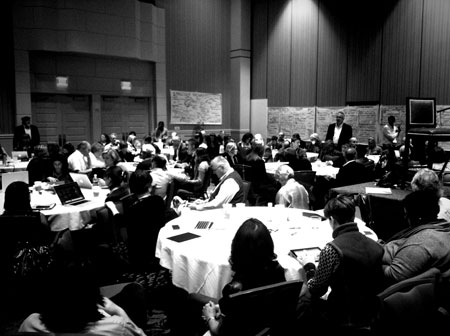
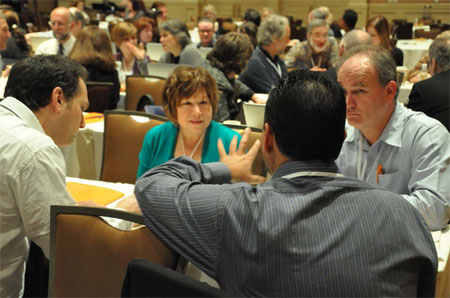
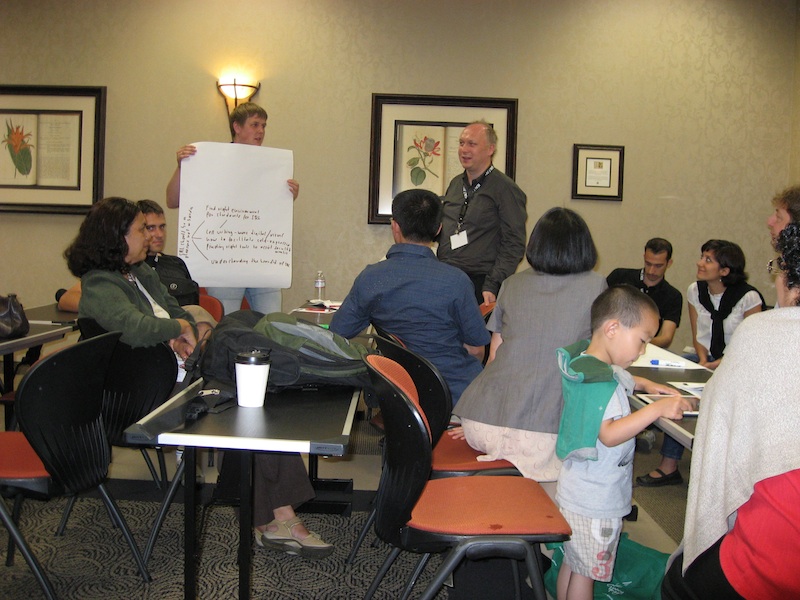
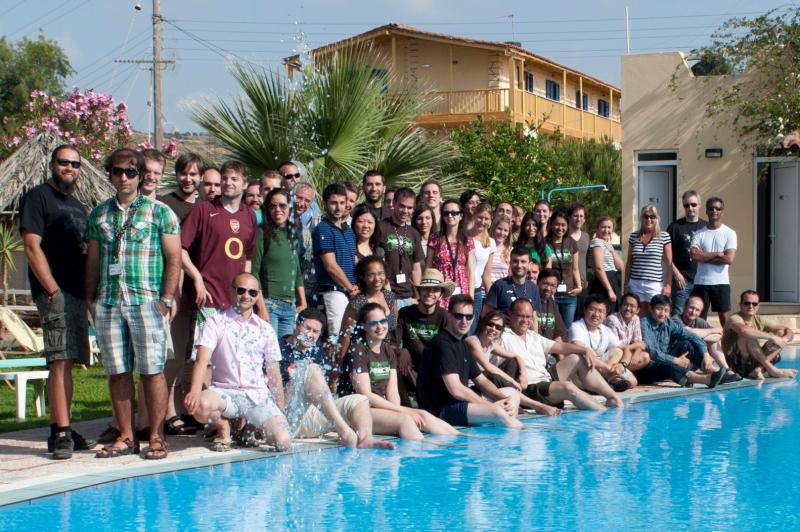
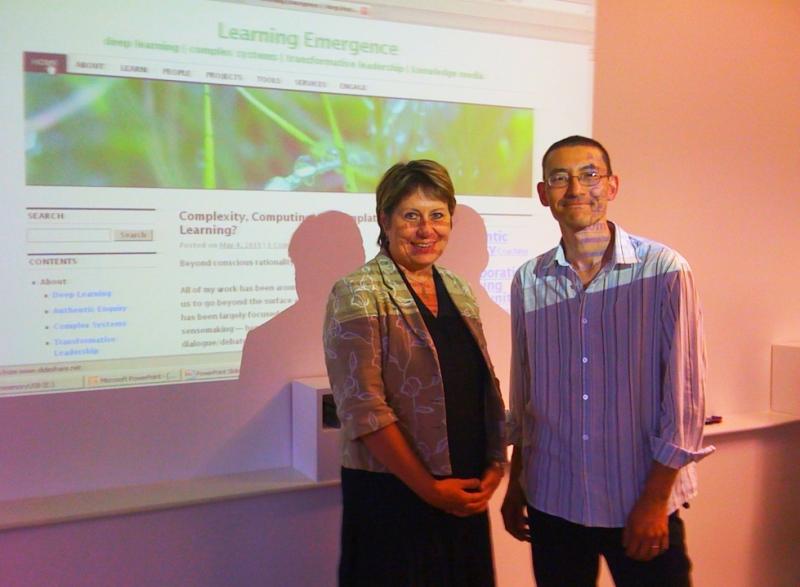
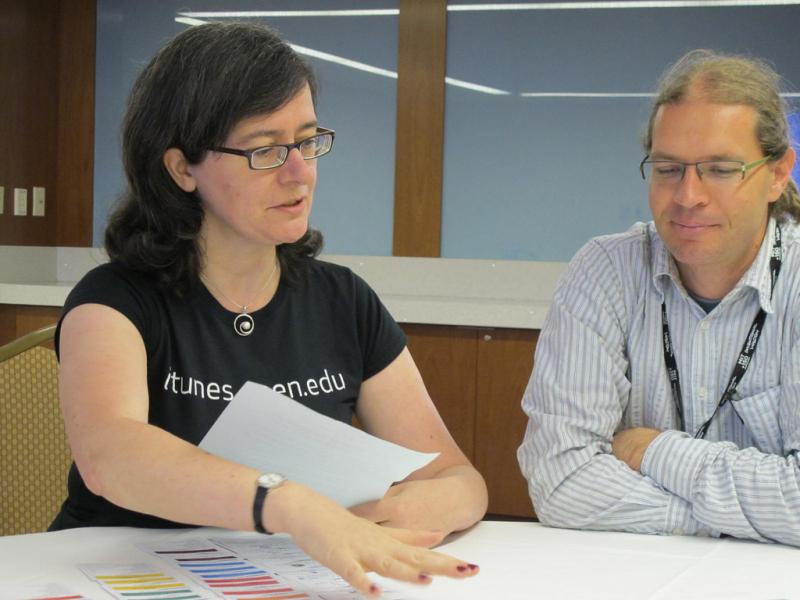
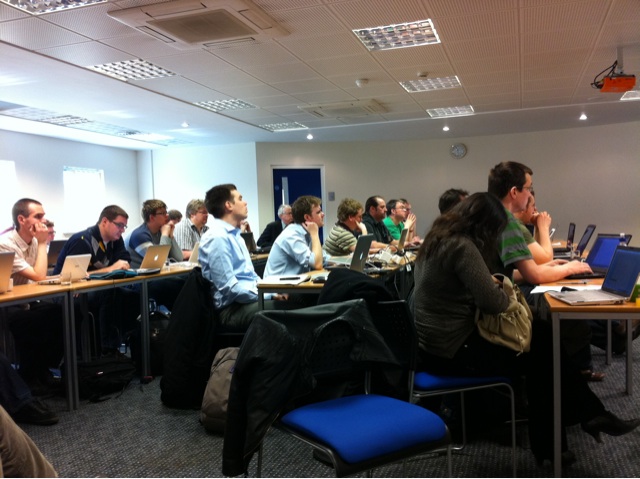
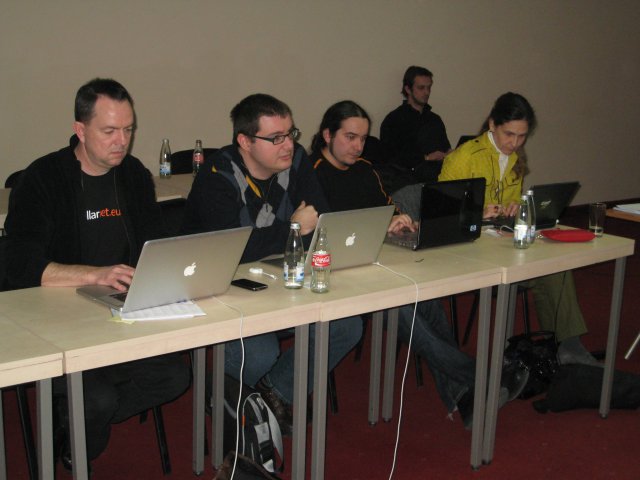
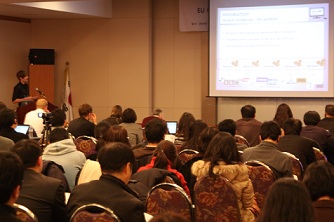
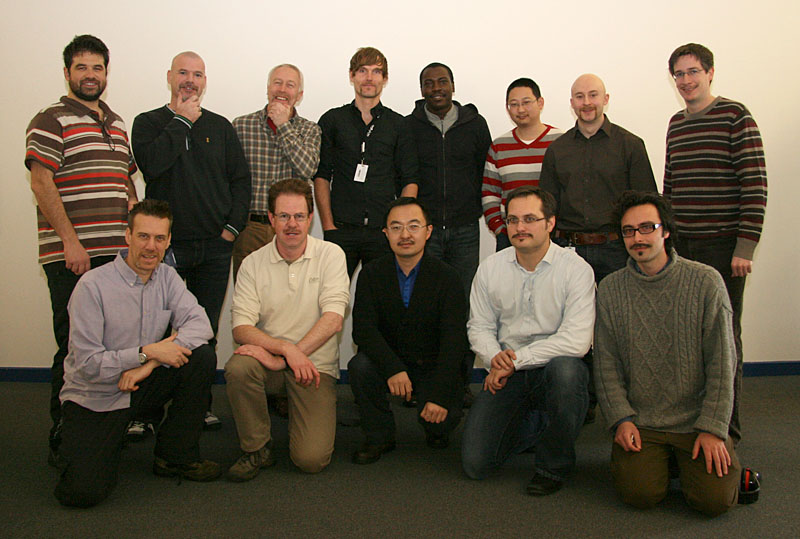
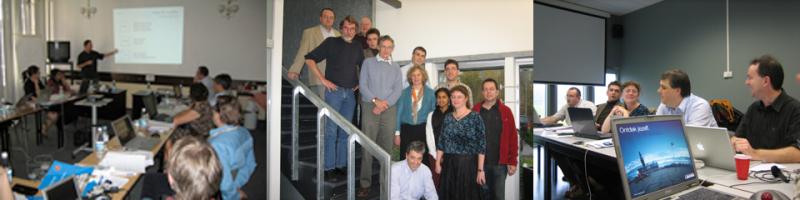
KMi’s Anna De Liddo and Simon Buckingham Shum have recently chaired the second international Collective Intelligence workshop held in conjunction with the ACM Conference on Computer Supported Cooperative Work (CSCW2012) in Seattle, Washington on February 11-15, 2012.
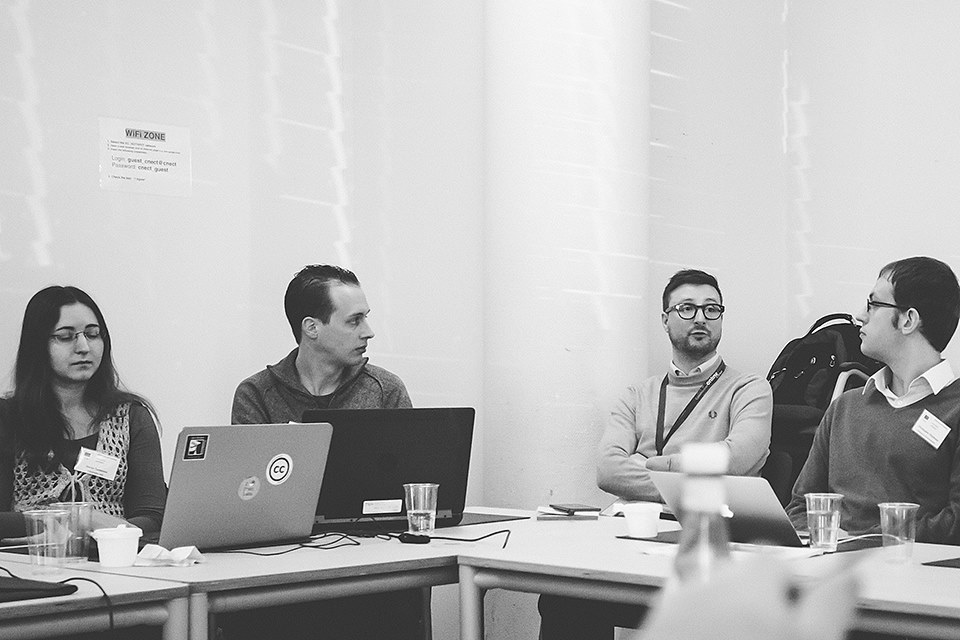
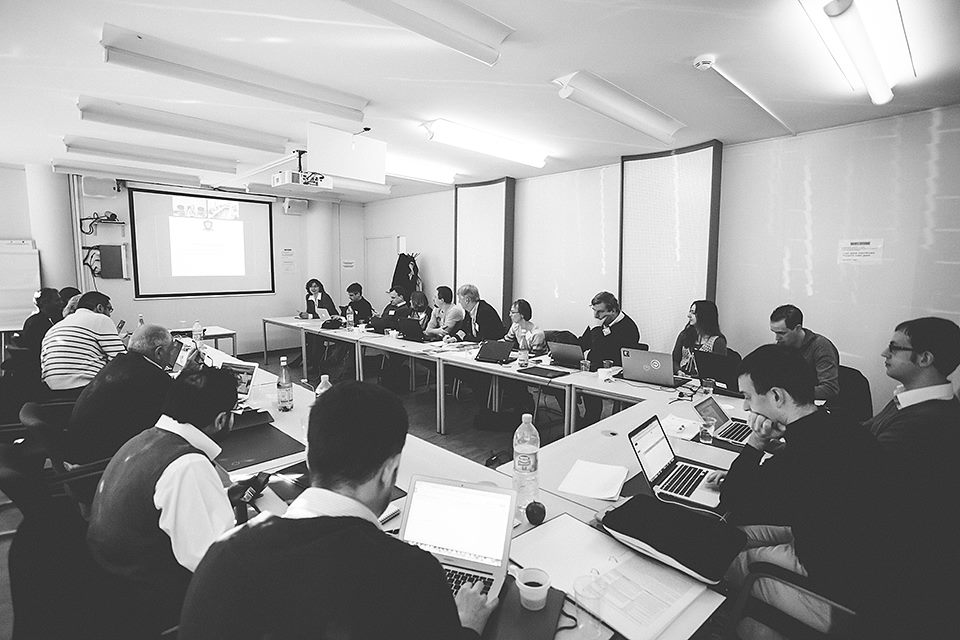
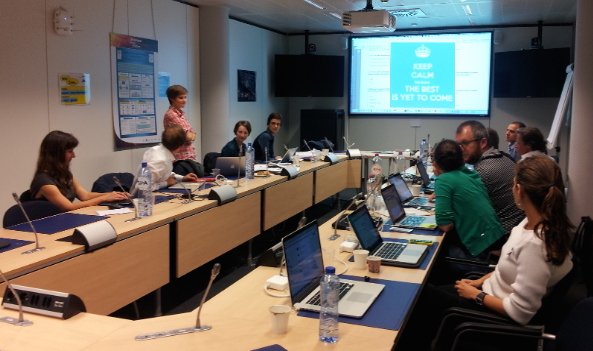
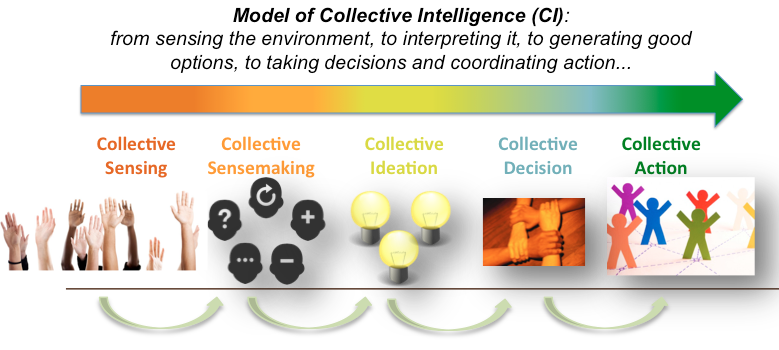
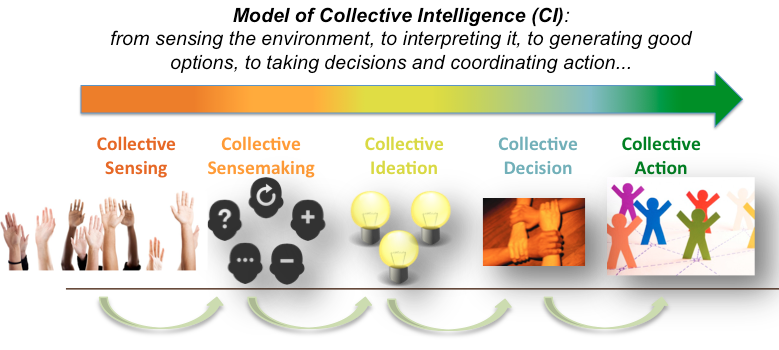
The workshop brought together researchers and practitioners in the field of collective intelligence and online discourse to discuss and understand the forms of CI that can be constructed through discourse and action, which enables advanced forms of collective sensemaking such as idea generation and prioritization, argumentation, and deliberation.
We received contributions covering topics such as:
– Collective Intelligence
– Community Ideation and Idea management Systems
– Argumentation
– Online Deliberation
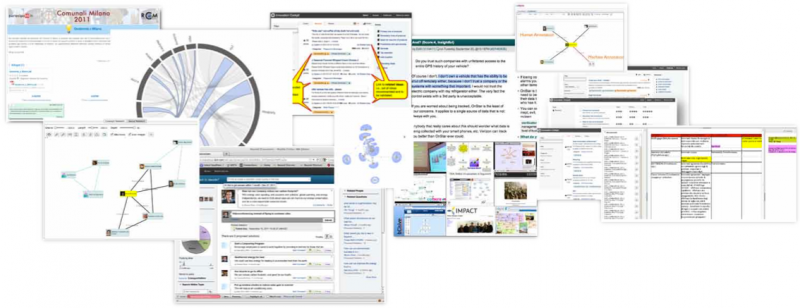
– Online Discourse technologies – such as email, blogs, wikis, chats, web forums, Q&A sites, peer-rated news aggregators, social networks, ideation and argumentation tools.
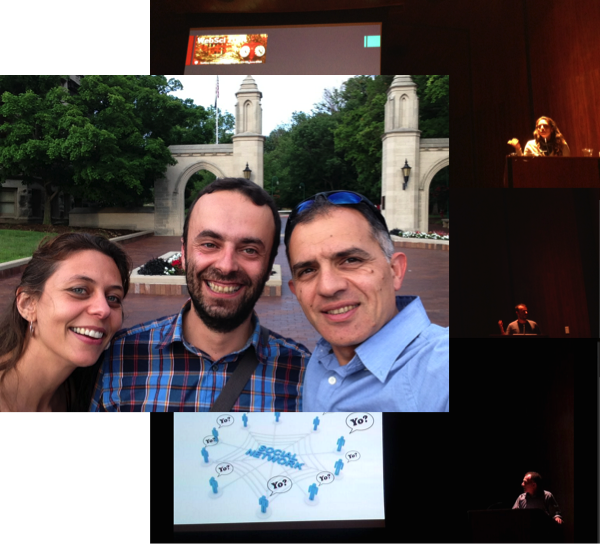
The workshop has attracted senior and junior highly recognized researchers in the field from both academia and enterprise (such as i.e. IBM Watson, IBM Cambridge and Tokio, XEROX PARC, XRCE, and Samsung) which presented a full range of new technologies to reinvent online discourse and build collective intelligence and community action.
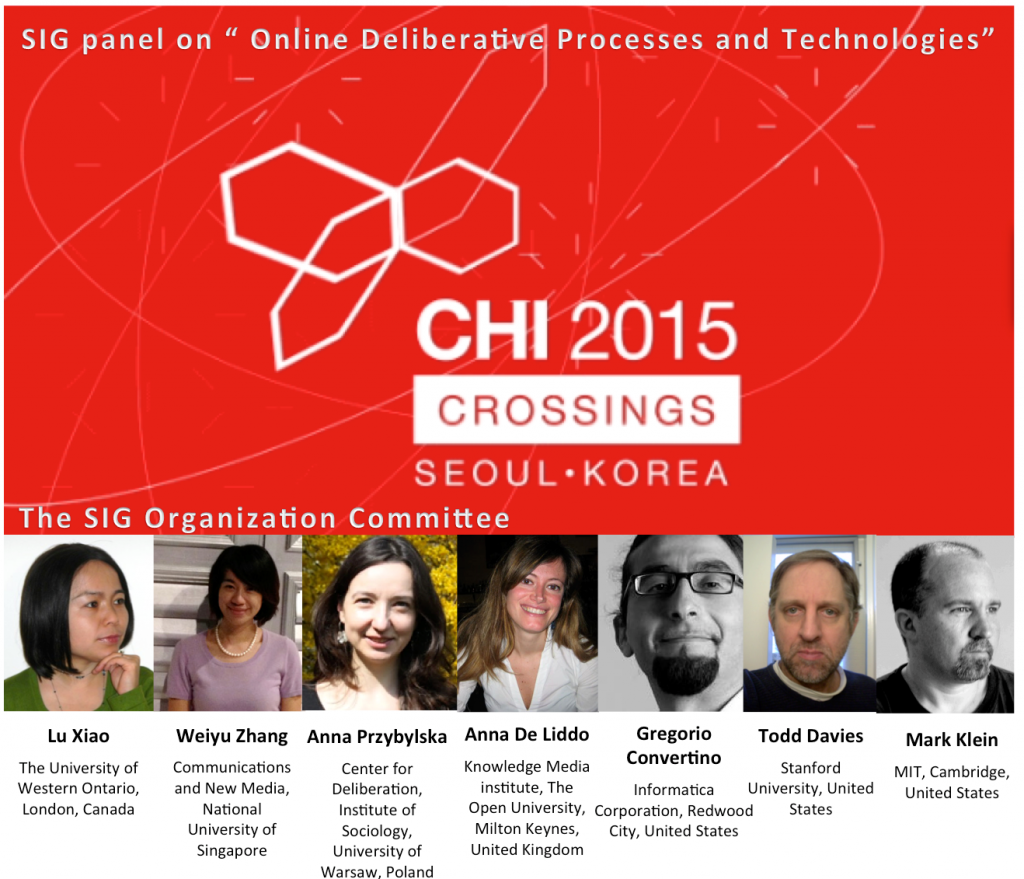
Workshop co-chair with Anna and Simon were Dr. Gregorio Convertino, senior reseach scientist at Xerox Research Center Europe (XRCE) and visiting researcher at PARC; Dr. Agnes Sandor, Project Leader at the Xerox Research Centre Europe; and Dr. Mark Klein (http://cci.mit.edu/klein/), Principal Research Scientist at the MIT Center for Collective Intelligence.
The organizers have previously chaired successful workshops in the field of Online Discourse and Collective Intelligence.
Anna De Liddo and Simon Buckingham Shum have co organized the ODET 2010: Online Deliberation Emerging Tools workshop, co-located with the Fourth International Conference on Online Deliberation (30 June – 2 July, 2010). The ODET invitational workshop (http://olnet.org/odet2010) succeeded in bringing together many of the leading researchers and practitioners in computer-supported dialogue, deliberation and argumentation – modes of discourse central to activities including social learning, collective intelligence, debate analysis and participatory democracy. Drawing on experiences spanning business, mass media, education, government and many other public sectors, the workshop considered the state of the art in tools that are emerging from the labs, reflecting on the lessons that are being learnt around the effective usage and deployment of these tools.
Gregorio Convertino co-organized the workshop on Collective Intelligence in Organizations (www.parc.com/ciorg, [18]). The workshop occurred twice in two leading ACM conferences, CSCW 2010 and Group 2010. It brought together leading researchers and designers who are studying or developing Collective intelligence (CI) tools aimed at workers in organizations. Both workshop venues and a special journal issue (to appear) were organized to articulate the emerging research agenda around new CI tools, studies of new forms of CI in organization, and new research methods.
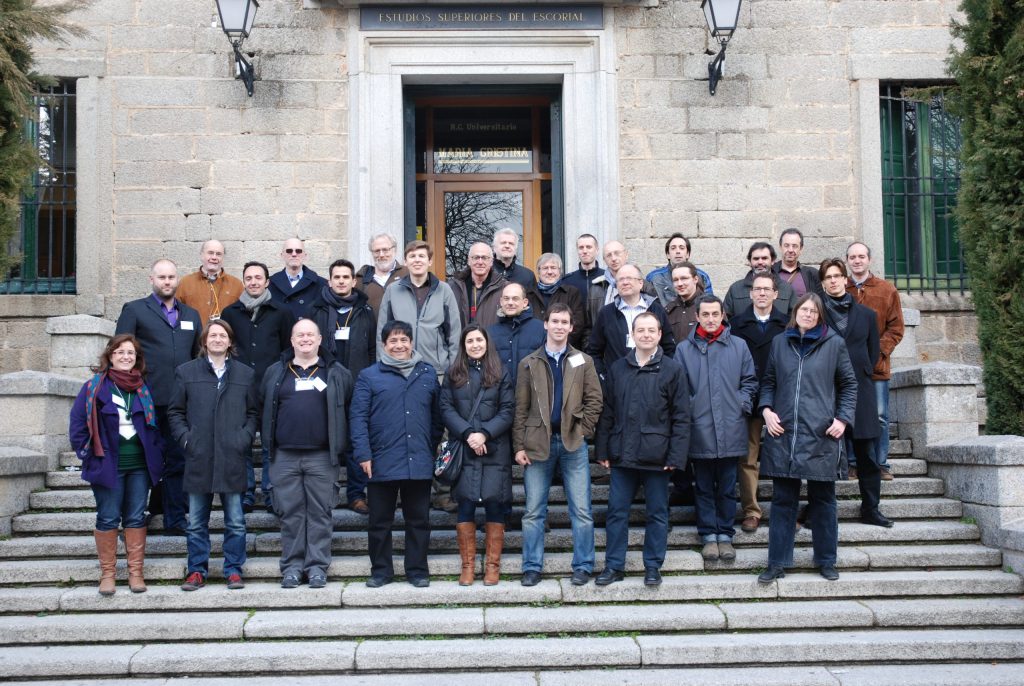
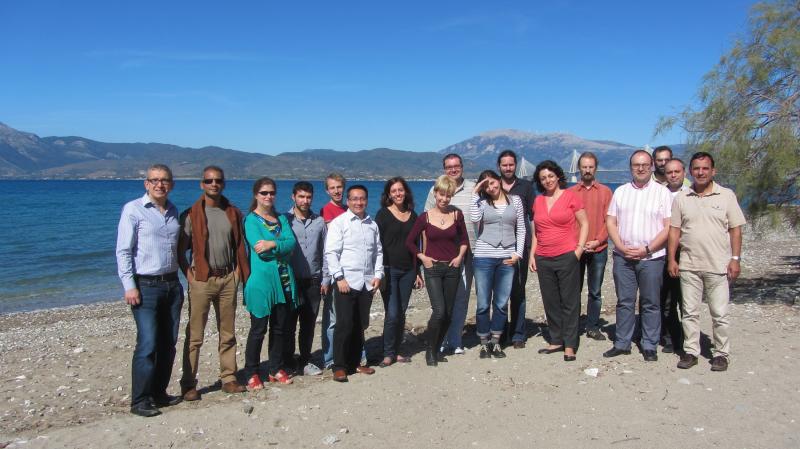
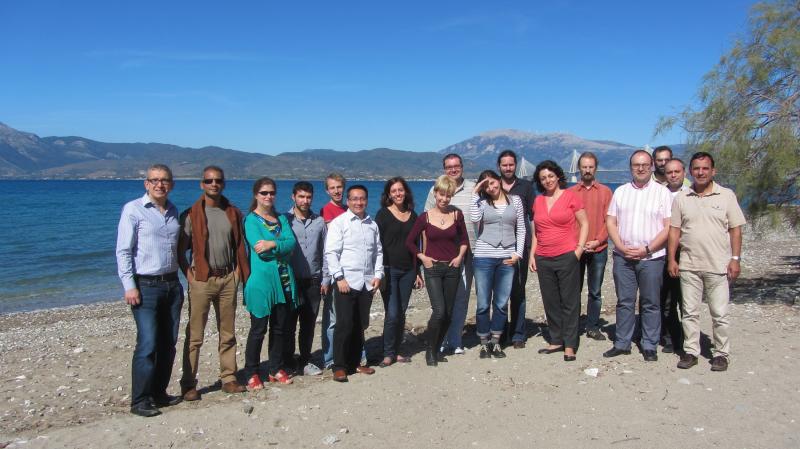
Participant list and Workshop Proceeding can be downloaded from the workshop website.
Here below we list the submitted workshop papers in order of presentation on the workshop day.
– The Effects of Rationale Awareness in Iterative Human Computation Processes (Research Paper)
Lu Xiao
The University of Western Ontario
– Supporting Collective Intelligence through a Recursive Annotation Tool (Research Paper)
Federico Cabitza, Marco P. Locatelli, Carla Simone
University of Milano-Bicocca
– Empowering the Middle Men: a Collaborative Innovation Platform (Research Paper)
Marcos Baez 1,3, Gregorio Convertino1,2, Arturo Mondragon2, Guillaume Bouchard2 and Cedric Archambeau2
Palo Alto Research Center1, Xerox Research Centre Europe2, University of Trento3
-Is the Crowd Biased? Understanding Group Value Judgments in Open Contribution Systems (Research Paper)
Jahna Otterbacher and Libby Hemphill
Illinois Institute of Technology
-Problems&Proposals: A Tool for Collecting Citizens Intelligence (Research Paper)
Fiorella De Cindio1, Ewa Krzatala-Jaworska2, Leonardo Sonnante1
University of Milan1, Paris 1 – Sorbonne University2
-Challenges for the Facilitation of Political Discourse in Technologically-Mediated Environments (Position Paper)
Christopher M. Mascaro1, Elizabeth A. Thiry2, Sean P. Goggins1
Drexel University1, Pennsylvania State University2
– Launching and Integrating a Civic Intelligence Forum (Position Paper)
Douglas Schuler
Public Sphere Project
-Enhancing Collective Intelligence by Enhancing Social Roles and Diversity (Position Paper)
John C. Thomas
IBM T. J. Watson Research
– The Variable Geometry of Collective Intelligence (Position Paper)
Giorgio De Michelis
DISCo, University of Milano – Bicocca
– A Discussion Dashboard for Collective Intelligence of Web Conversations (Position Paper)
Jodi Schneider, Alexandre Passant
DERI – National University of Ireland, Galway
– Beyond Discussions: Designing for Sociability and Structure (Position Paper)
Kate Ehrlich1, Steve Rohall1, Steve Ross1, Dan Gruen1, Tristan Ratchford1, John Patterson1, Hironobu Takagi2, Tatsuya Ishihara2, Akihiro Kosugi2
IBM Research Cambridge MA1, IBM Research Tokyo, Japan2
– What Can We Ask of a Crowd: Correlates of Problem Difficulty in StackOverflow (Position Paper)
Ben Hanrahan1, Les Nelson1, Gregorio Convertino1,2
Palo Alto Research Center (PARC) 1, Xerox Research Centre Europe2
– Visualizations of Social Media Communication (Position Paper)
Karissa McKelvey, Filippo Menczer, Alex Rudnick and Michael Conover
Indiana University
– Is This What You Meant?: Supporting Active Listening and Grounding on the Web with Reflect (Demo)
Travis Kriplean, Michael Toomim, Jonathan T. Morgan, Alan Borning
University of Washington
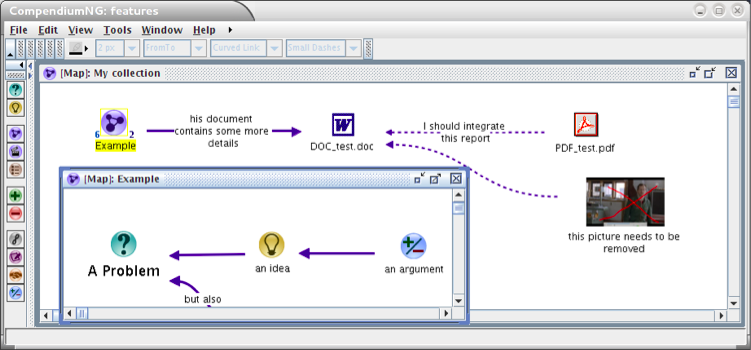
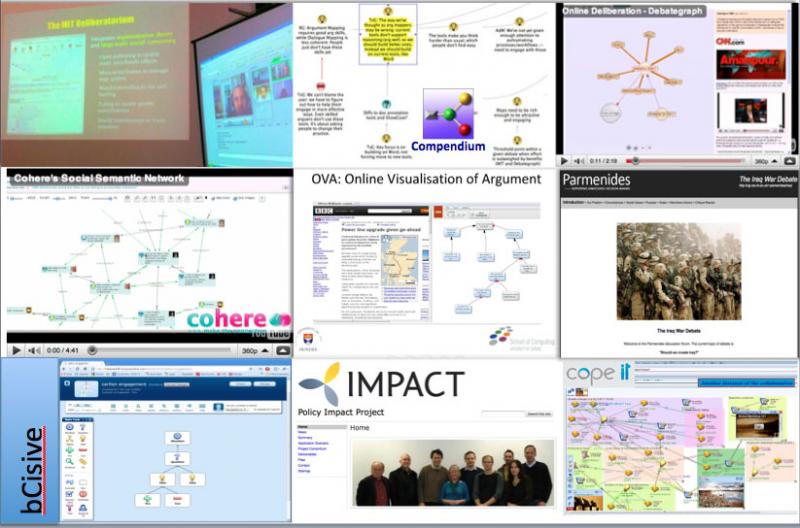
– Cohere and XIP: Combining Human and Machine Annotation to Develop Collective Intelligence (Demo)
Anna De Liddo1, Agnes Sandor2 and Simon Buckingham Shum1
The Open University (UK) 1, Xerox Research Centre Europe2
– MIT Deliberatorium (Remote Presentation)
Mark Klein
MIT, Center for Collective Intelligence,
Cambridge Massachusetts, USA
Related Links:
Related Links:
Related Links:
Related Links:
Related Links:















































































































































































































































































































































































.jpg)