Nancy Pontika

KMi at the Palace of Westminster: Exploring Blockchain for Society and Economy

KMi at the Palace of Westminster: Exploring Blockchain for Society and Economy

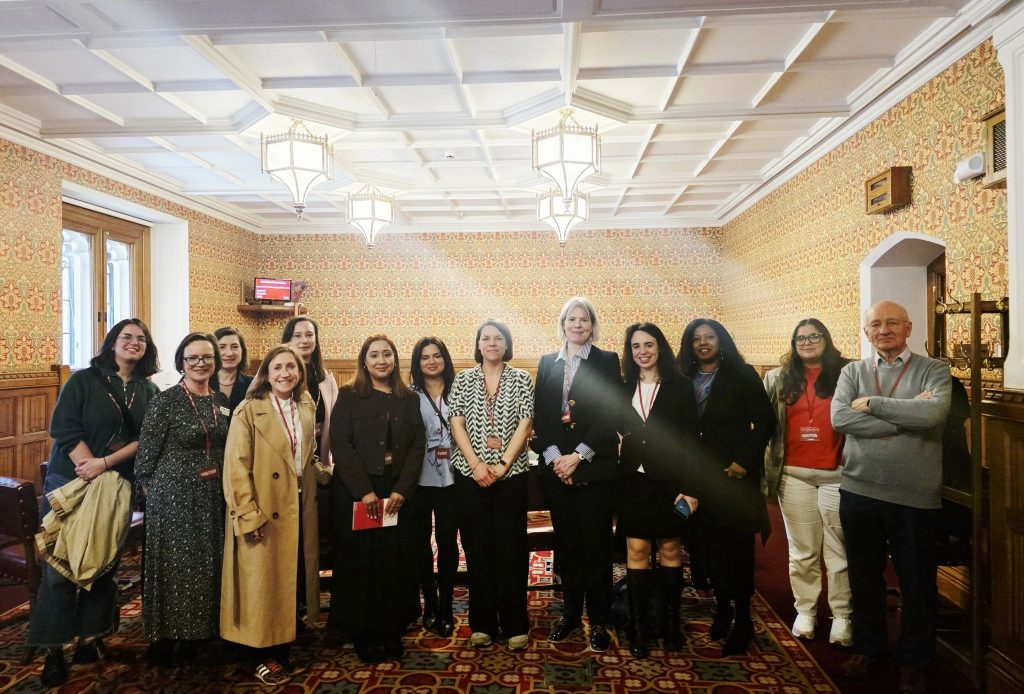
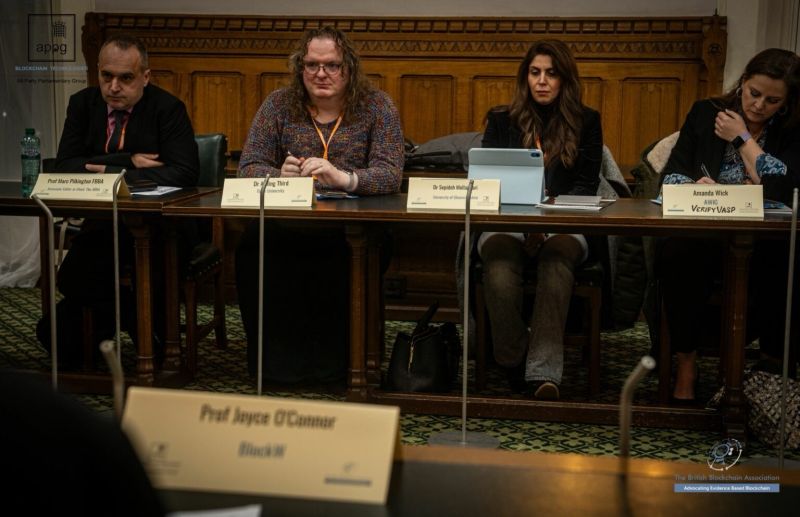
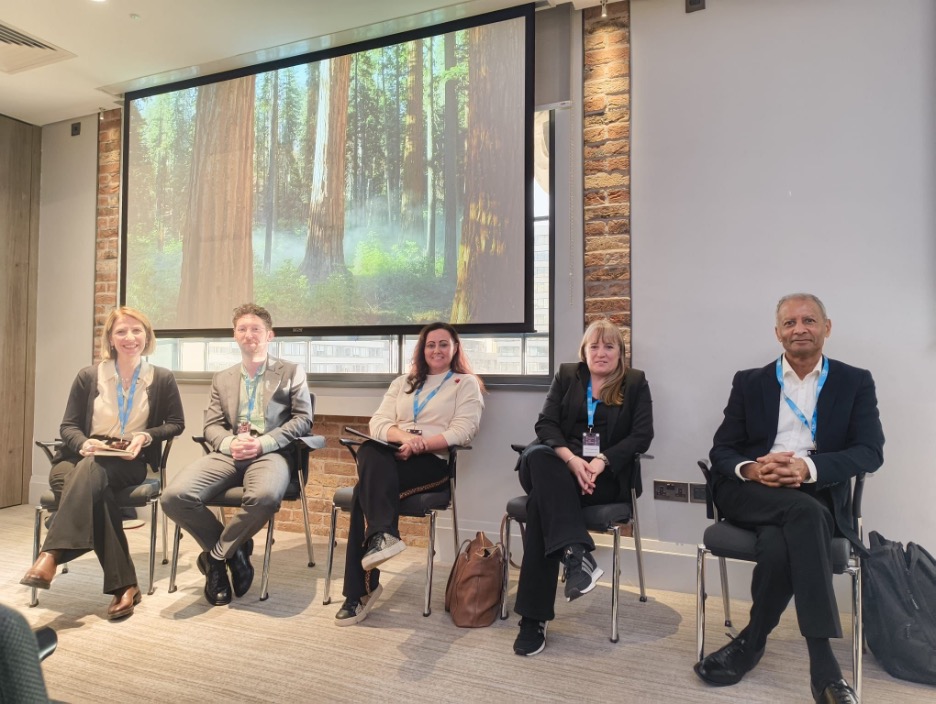
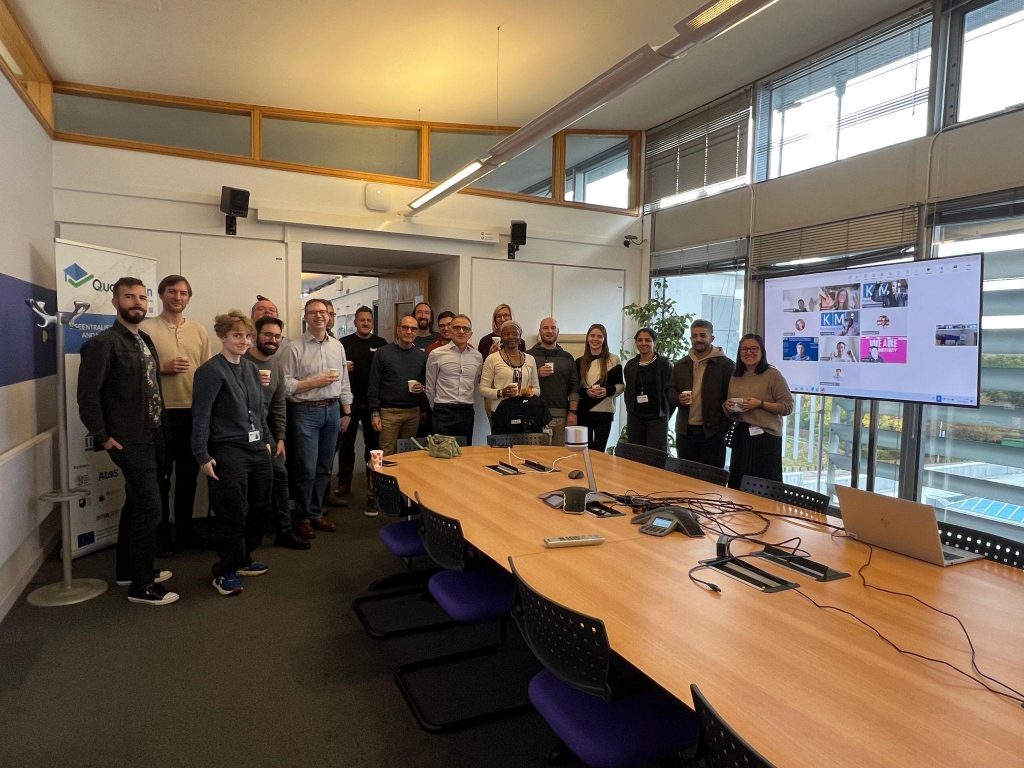
On 3rd December, KMi’s Aisling Third was invited to take part in an International Roundtable on Blockchain and Digital Assets at the Palace of Westminster, hosted by the All-Party Parliamentary Group (APPG) on Blockchain Technologies. The goal was to gather experts from across the world to give evidence to the APPG on ways in which distributed ledger technology could, should, and should not, be used for the benefit of UK society and economy. The session was moderated by Prof. Naseem Naqvi, President of the British Blockchain Association, with contributors sharing insights from research, healthcare, digital identity, finance, journalism, policy and economic development, among others, and covering a wide range of perspectives and ideas. 

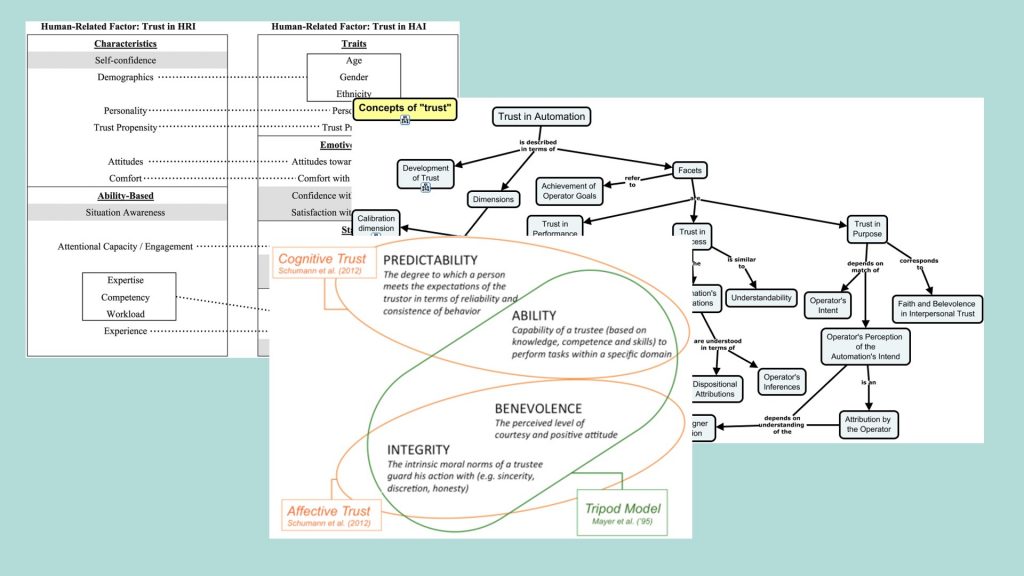
Dr Third discussed the relevance of the recent work she and Prof John Domingue have been doing on the three pillars of Trust, Accountability, and Autonomy, focusing specifically on the widespread tendency to assume that words like “trust” have a fixed and precise meaning, and the subsequent confusion that can arise due to differences in understanding of what that might be. She also argued for the importance of ensuring effective input from all stakeholders in any blockchain use cases; in particular, ensuring a diversity of backgrounds. She drew the connection with Teresa Sides’ recently successful viva defence of her work investigating attitudes towards AI in NHS Primary Care, and how they vary significantly between different levels of NHS hierarchy. 

The Roundtable was very stimulating and informative, and reaffirmed that there is widespread interest in evidence-based methods for getting the best out of these technologies and avoiding the risks. 

Related links:

OUAnalyse at the Digital Ethics Summit 2025: Advancing Responsible AI in Education

OUAnalyse at the Digital Ethics Summit 2025: Advancing Responsible AI in Education

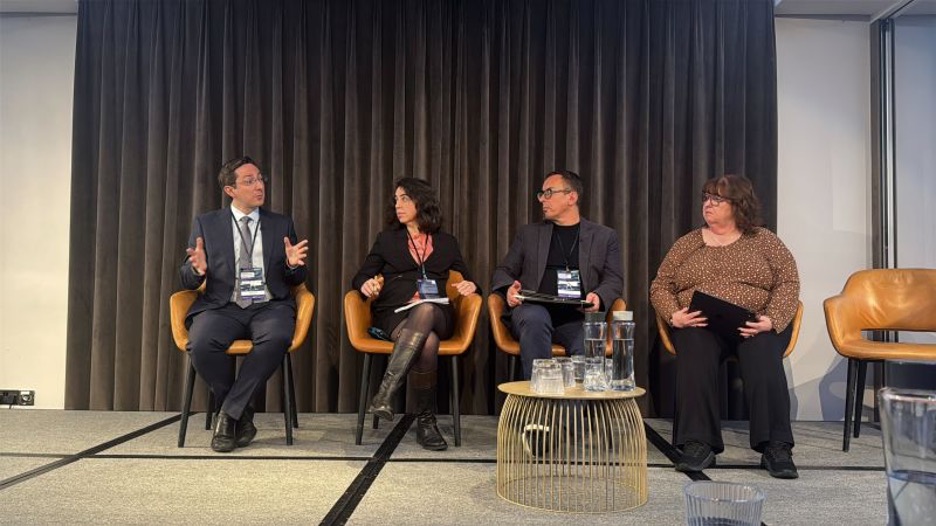
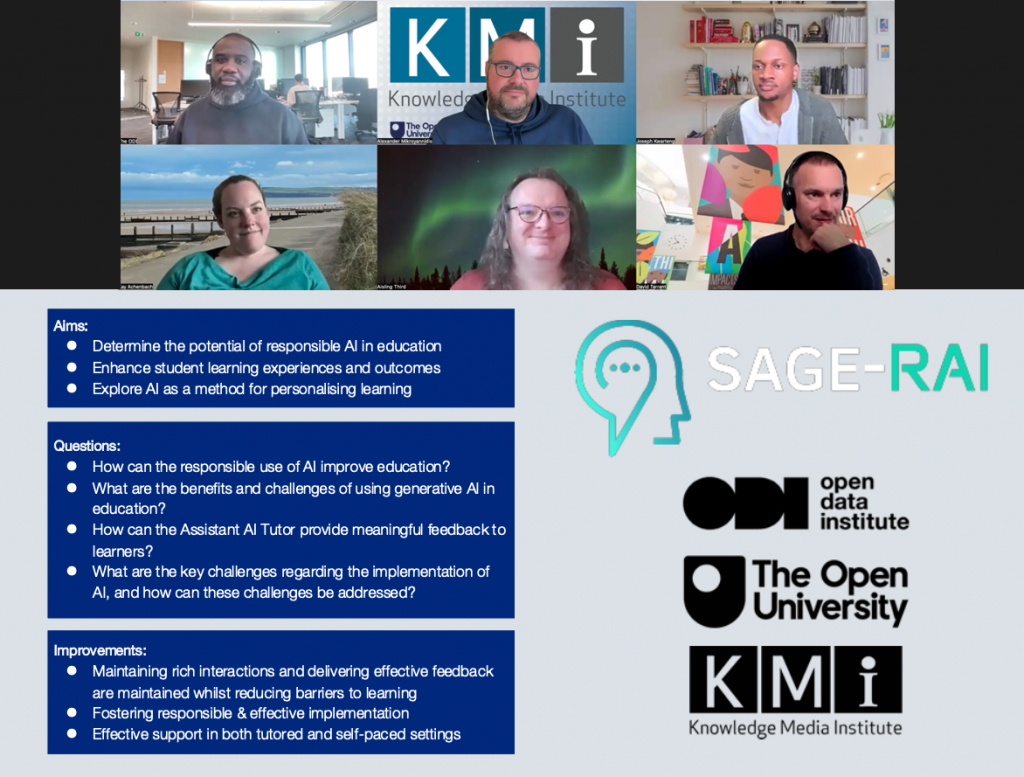
KMi is proud to see Prof Miriam Fernandez present at the Digital Ethics Summit (#DigitalEthics2025), showcasing the OUAnalyse team’s work on Responsible AI in education as part of the Fairness Innovation Challenge. Key takeaways from the project can be found in a report published by the Department for Science, Innovation and Technology (DSIT), but more information about the specific activities and outputs of our project is available on the project website.

Prof Fernandez emphasised the importance of responsible use of predictive learning analytics in education and the need to transition beyond traditional performance metrics toward a structured, context-sensitive approach to fairness. This includes addressing biases from a socio-technical lens and investigating not just how algorithms may perpetuate biases, but also how humans (both staff and students) interact with AI-driven predictions. She also highlighted the need for (i) establishing clear institutional values around equity, (ii) selecting fairness metrics aligned with those values, (iii) ensuring fairness is monitored continuously, not assessed only once, and (iv) recognising that fairness is dynamic, varying across time and across different student groups. 

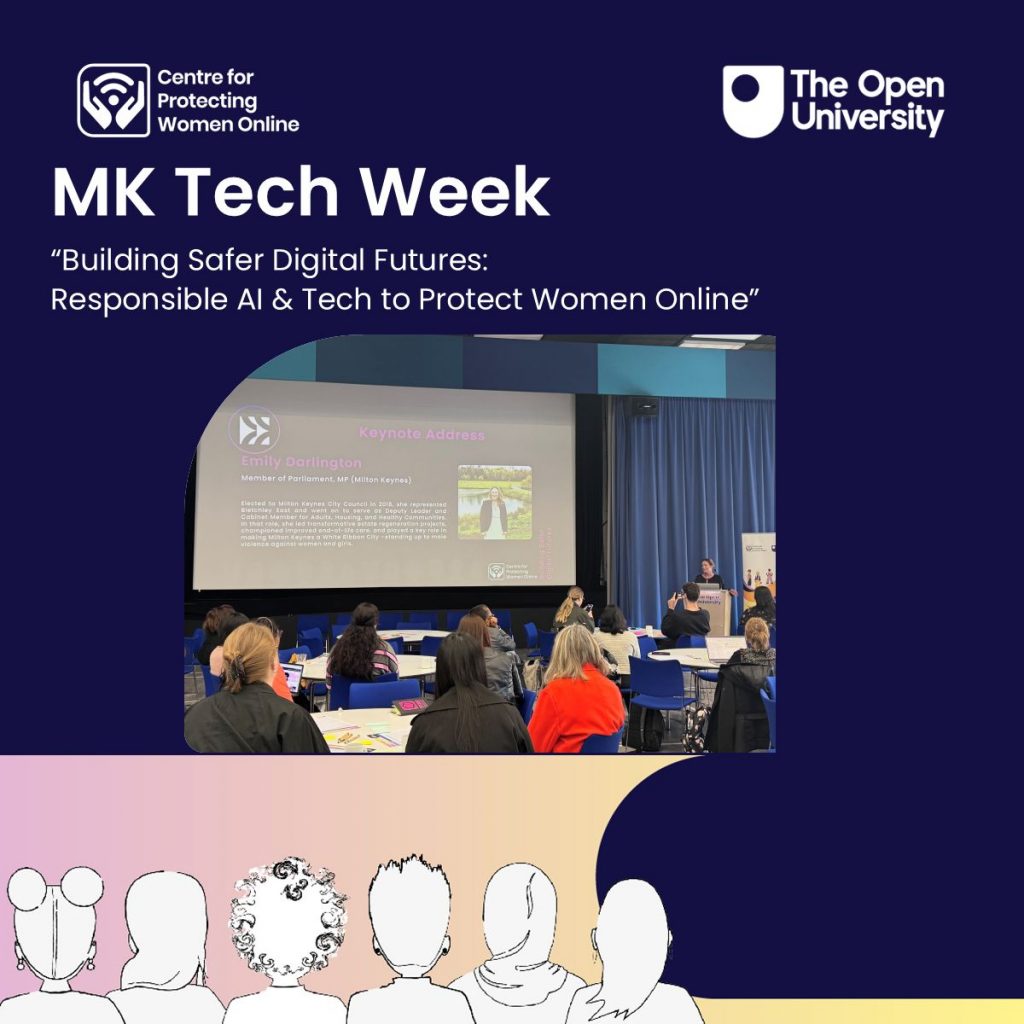
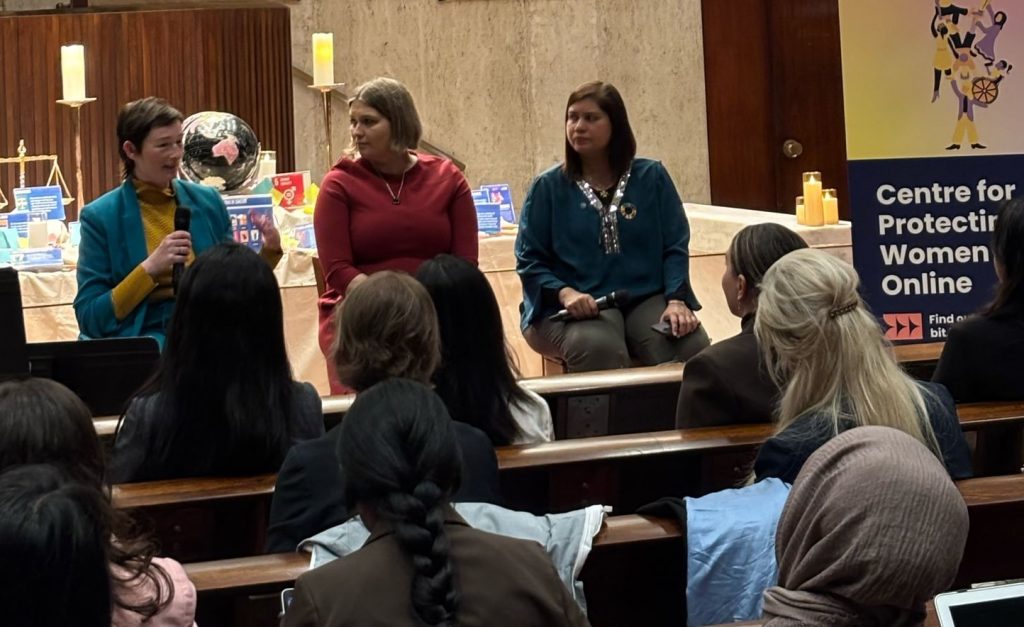
The event also brought together an exceptional line-up of leaders, sparking critical conversations about ethics, governance, and assurance in AI. Discussions on AI regulation highlighted gaps in current laws, particularly around technology-facilitated harms affecting women and minoritised groups, a key focus for the OU’s Centre for Protecting Women Online.

Related links: 

KMI: The Early Years

KMI: The Early Years

It is hard to recall – still less to imagine, if you weren’t there – the ferment of innovation between the late ’80s and the mid-’90s. By 1993 the World Wide Web – which was only invented in 1989 – was beginning to show its potential.  Personal computers were now portable and more accessible, while in 1992 Nokia had launched a small mobile phone. These innovations presented major challenges and opportunities to the OU as the global leader in open learning. The new VC, John Daniel, could see that the devices and technology now emerging in homes and offices from this ferment, would determine how the OU taught its students. 

The OU already had working examples of the possibilities of IT and media innovations in learning and teaching, notably in the work of Tom Vincent of METG (Multi-media Enabling Technologies Group in IET) and Marc Eisenstadt of HCRL (Human Cognition Research Lab in Psychology). METG focussed on using technology to enable those with special needs to have full access to study material on the internet and had found that what worked for those with special needs also worked well for everyone else.  HCRL had been working in the intersections of Cognitive Science, Artificial Intelligence (AI) and Human Computer Interaction (HCI).  Notably, the HCRL team had taken part in the Alvey programme, the first ever UK strategic R&D initiative focused on AI, and they had also produced the first OU courses that covered AI topics. And both groups were using communications technologies to bring people together remotely to interact, collaborate and learn. 

These groups and Kitty Chisholm, Director of Development, came together to discuss the greater leverage that closer collaboration might bring. Marc Eisenstadt envisioned a ‘leading edge outpost of the OU’ and Tom Vincent drew a diagram on a napkin of how the new unit’s space should be configured to promote interdisciplinarity, cross-fertilisation and innovation. The idea of an innovation lab, on the model of the MIT Media lab, was born. KMi’s research would not only harness the latest technologies to improve learning and teaching but would be based on fundamental research on human cognition, knowledge representation, learning and collaboration at the individual and organisational levels. External and internal funding would be tapped.

The next challenge was to make it happen. Marc, Tom and Kitty drafted a concept paper, asking permission for a pilot. This got an encouraging nod and a request for a business plan from the VC, John Daniel, who already understood that the OU’s key challenge for the future was to combine global technological leadership and academic quality in an increasingly competitive distance learning environment. The two groups started to work together under the Knowledge Media umbrella.

Meanwhile, the Higher Education Reform Act of 1992 had given the OU greater budgetary freedom and control over its future. Taking advantage of this new context, in January 1995 the VC presented ‘Integrating New Systems and Technologies into Lifelong Learning’ (INSTILL), a plan to invest £10 million in the application of technology in teaching and learning to prepare the OU for the 21st century. The creation of the Knowledge Media Institute (KMi) was a core element of this transformational initiative.

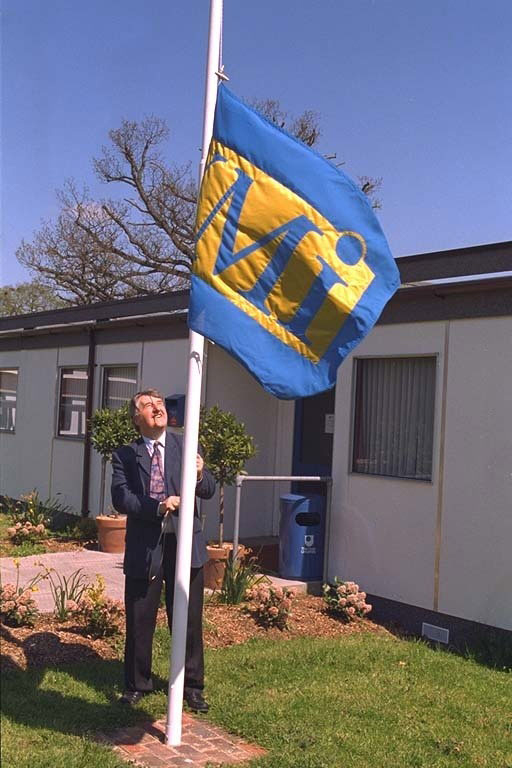
Marc and Tom concluded that the only way to make such a new unit a reality was to bring their teams together in one place so that the cross-fertilisation of ideas could happen naturally. They identified a portacabin – to be known as ‘the hut’ – to be set up, after approval for funding from the VC, as a hollow square surrounding an atrium – mirroring Tom’s napkin design. They also put up a flagpole flying a new name – KMi – Knowledge Media Institute (or as Tom had it – Kitty, Marc and I).

From the outside, some of the early projects projected a magical air.  Tom and Peter Whalley were a powerhouse of original ideas, assisted by a devoted METG team including Jon Linney, Kevin Quick, Chris Valentine and Ben Hawkridge.  The Virtual Field Trip was developed for students unable to undertake site visits for earth sciences courses. Peter Whalley’s Virtual Microscope is still used by students on some courses, and his other remote-teaching experiments – like a virtual bicycle pump and a viscosity demo that calibrated mouse speed to mimic different liquids –were fun and effective.  Perhaps the most striking example was First Flight, a simulation of the Wright Brothers’ first successful attempt. Its teaching of the physics of flight was so realistic that it sparked rumours that there was film footage of that momentous event. The lab later developed several projects with schools. The first linked three local schools to the web, via a relay dish on the top of the tallest church in Milton Keynes and a transmitter dish on the KMi roof. This enabled the virtual Mars Buggy project, which the children could control remotely in a simulated Mars environment – where they were joined by the occasional NASA scientist!  Another involved 40 schools and 300 parents, who were shown how to use a computer to capture their local history projects, with funding by the Millennium Commission of £0.72 million. 

Thanks to INSTILL funding, KMi attracted brilliant researchers from UK, Europe and the US, including Peter Scott, Simon Buckingham Shum, Tammy Sumner and Marco Ramoni. These arrivals injected new momentum and created new directions of research. Telepresence projects evolved from 1994’s Virtual Summer School and a virtual seminar series called KMi Maven of the Month (the first international Internet Talk Radio), to Stadium (still used today) and Peter Scott’s Virtual Pub Quiz.  The aim was to create a sense of ‘being there’.  Marco Ramoni, a Bayesian mathematician working at the intersection of Big Data and Machine Learning, where AI is making headlines today, focused on identifying potential, as yet unrecognised, causes of heart attacks from large, incomplete, data sets. At the same time, Simon Buckingham Shum started to develop new platforms to enable collaboration on the web, working with NASA and other organizations, while Tammy Sumner also tackled issues of collaboration and knowledge sharing in large, distributed organizations.  Also, on the front lines of AI at that time, Enrico Motta, John Domingue, and Zdenek Zdrahal were reimagining how knowledge could be represented, shared, and reused in the emerging online world. Enrico developed methods for combining reusable chunks of expert knowledge, while John explored ways to give web content a layer of meaning that computers could interpret, and Zdenek showed how to capture and adapt expert problem-solving strategies for new situations, including early detection and intervention strategies for helping potentially failing OU students. This was just one example of how KMi worked with the OU faculties to advance their core mission of teaching and learning with new technologies. By the end of the ’90s KMi was involved in over a dozen OU course teams and was fulfilling its original mission by collaborating in a wide range of research, teaching and presentation initiatives across the OU.

Those early days also attracted significant donations of equipment from organisations like Sun Microsystems and Apple, with 70% of KMi income coming from external sources (commercial as well as foundations and traditional research funders such as Research Councils).  As the lab grew and its projects became more complex, Jez Grzeda joined and was instrumental in keeping motivation and growth going, taking on all admin, finance and business development tasks. 

KMi’s research has had a profound and lasting impact, both nationally and internationally. Formal research metrics and external recognition confirm this influence, but perhaps the clearest evidence lies in how its ideas have helped shape the very fabric of the digital world.   For example, from the late 1990s onwards, under the leadership of Enrico Motta and John Domingue, KMi played a pioneering role in the Semantic Web – years before Sir Tim Berners-Lee’s seminal 2001 paper. Collaborating with European and global leaders, KMi’s research contributed to foundations that, by 2012, were taken up by Google as the ‘Knowledge Graph,’ and soon after adopted by every major technology company.   Today, some of the standards driving the Web can be traced directly to that early KMi work.  

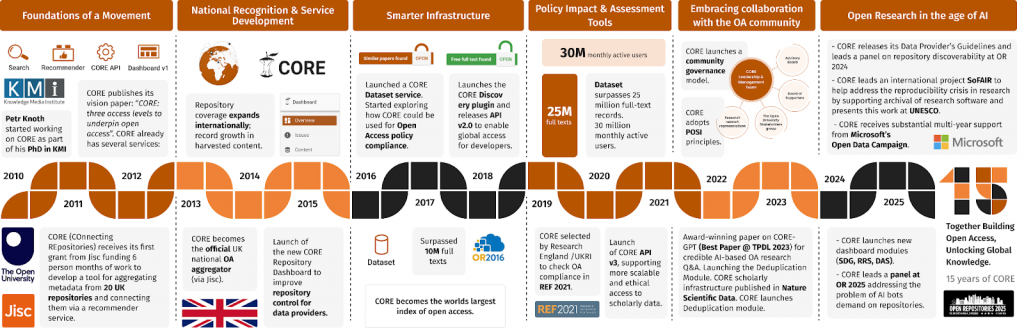
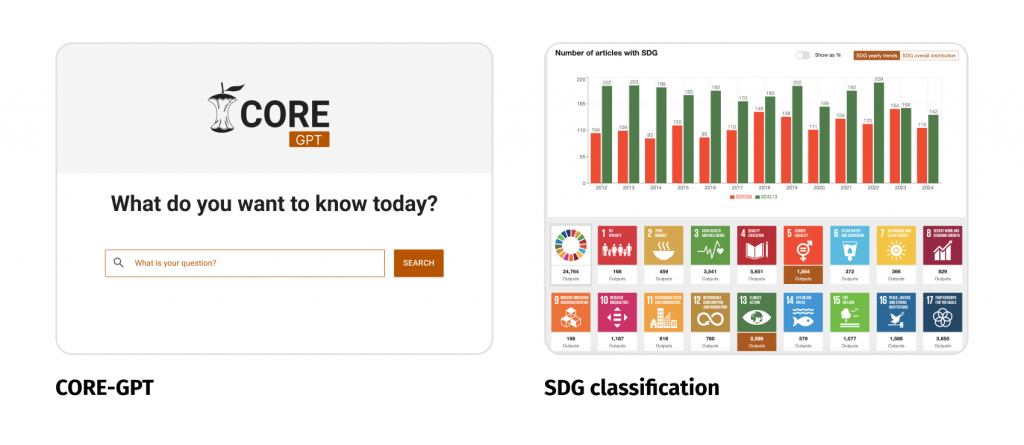
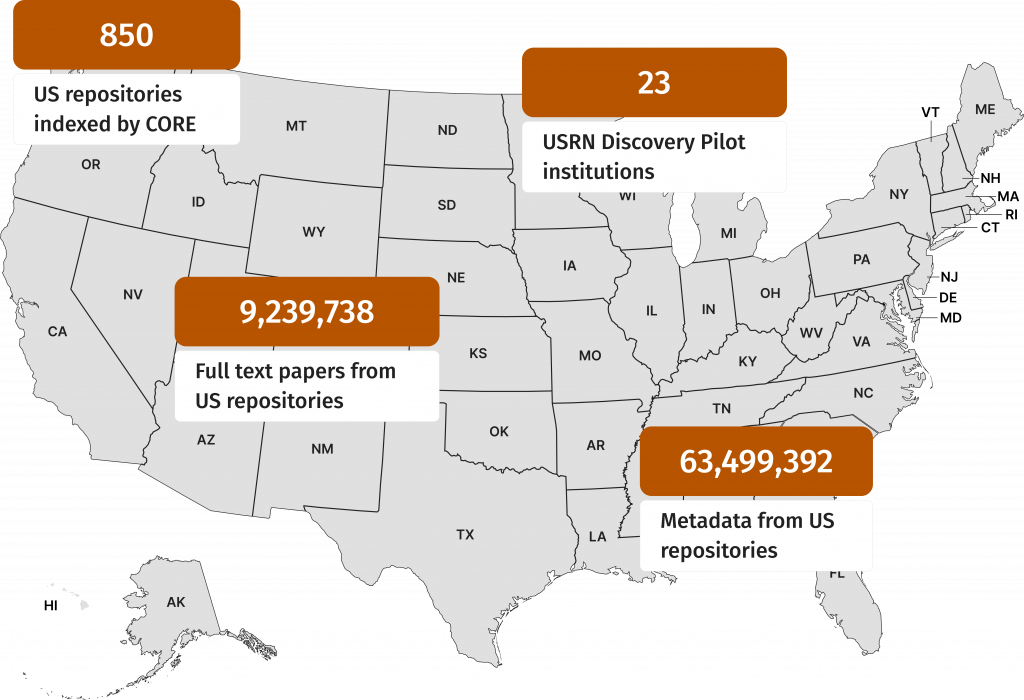
In 2010–11 KMi launched CORE, led by Petr Knoth, and OU Analyse, originally led by Zdenek Zdrahal. CORE has grown into the world’s largest open-access research paper collection and won five years’ Google funding in 2024. OU Analyse, now led by Miriam Fernandez, has delivered roughly £2.5 million per year in savings to the OU over the past three academic years by boosting student retention.

The present boom in Generative AI feels strikingly similar to the wave of innovation that defined the late ’80s and early ’90s. There is enormous potential to deliver even greater value – enhancing lifelong learning and extending access to education across the globe. True to its founding mission, KMi continues to innovate ahead of the curve, developing and testing ideas before they rise to wider public recognition.

This blog post has been authored by: Kitty Chisholm, Marc Eisenstadt, Tom Vincent and John Daniel with input from John Domingue, Enrico Motta, Peter Scott and Miriam Fernandez.

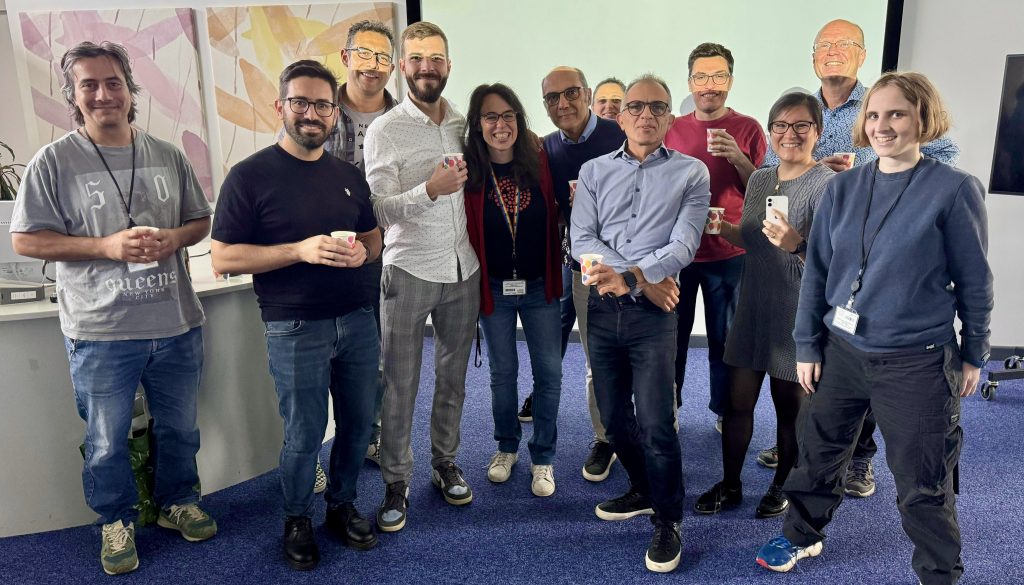
Connecting Ideas: FBL Visits KMi

Connecting Ideas: FBL Visits KMi

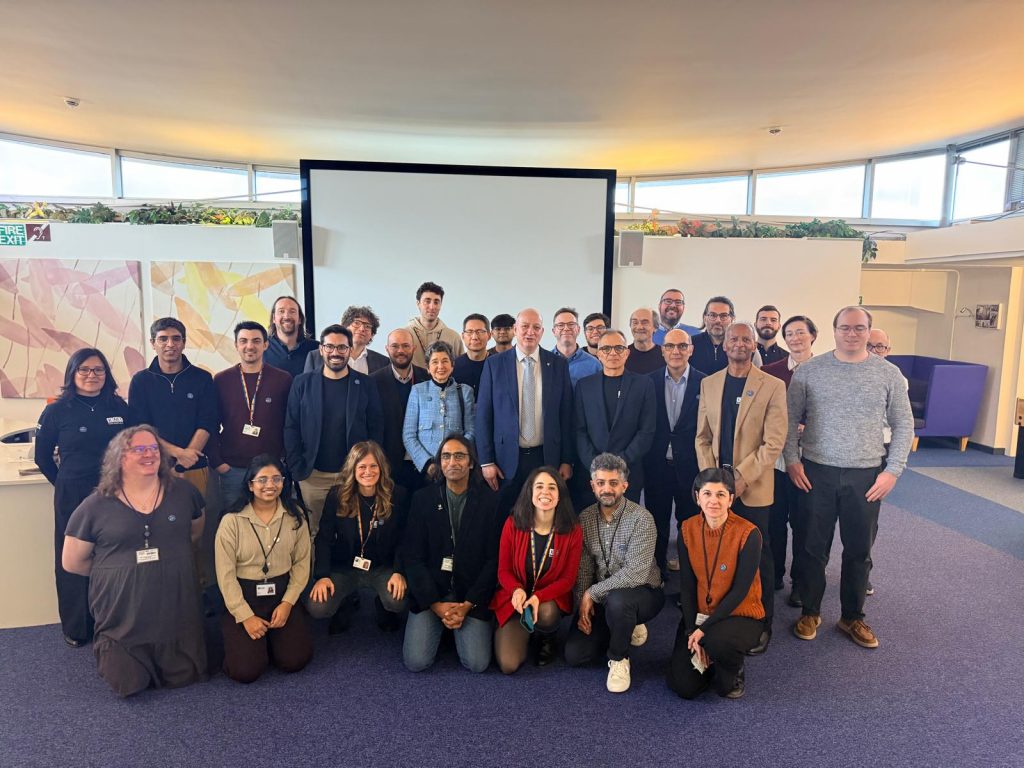
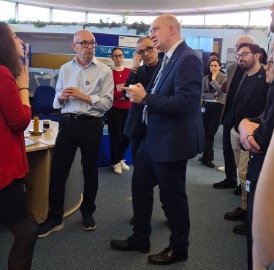
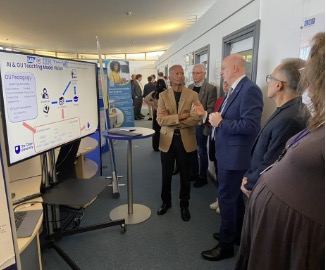
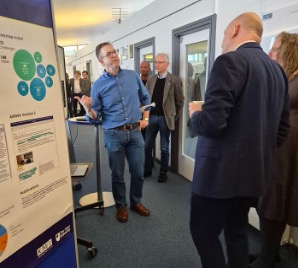
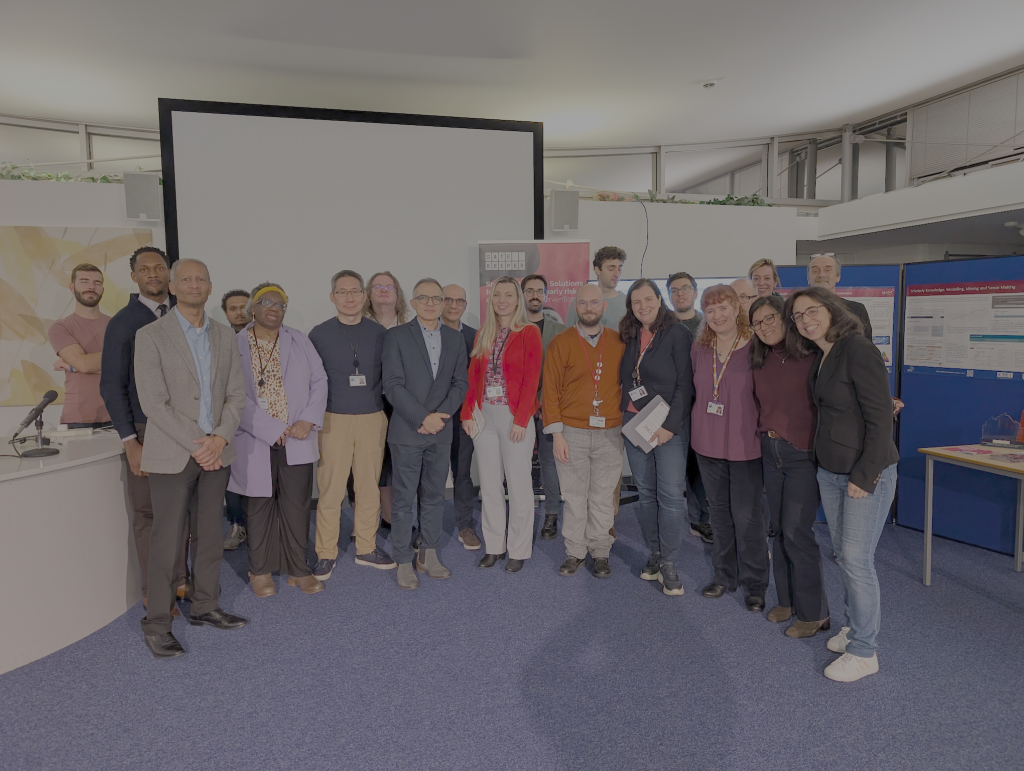
On Tuesday 25th of November, the Faculty of Business and Law (FBL) joined us at KMi for an inspiring afternoon packed with collaboration, discovery, and future-shaping ideas. The visit offered a vibrant showcase of the cutting-edge research, technologies, and innovations that continue to position KMi as a research leader and driving force, advancing strategic priorities and fostering meaningful collaborations across OU faculties.
The afternoon opened with a warm welcome from KMi Director Prof. Harith Alani, setting the tone for a day of curiosity and connection. This was followed by a captivating exploration of Generative AI from Prof. John Domingue, offering a glimpse into how emerging AI technologies are reshaping education.

Prof. Miriam Fernandez then highlighted the power of Open University Analytics and shared vital work from the Centre for Protecting Women Online, demonstrating how research can drive meaningful societal impact.

The spotlight also turned to CORE, whose demonstration of its ability to check compliance with the REF three-month rule sparked lively interest and discussion among attendees.

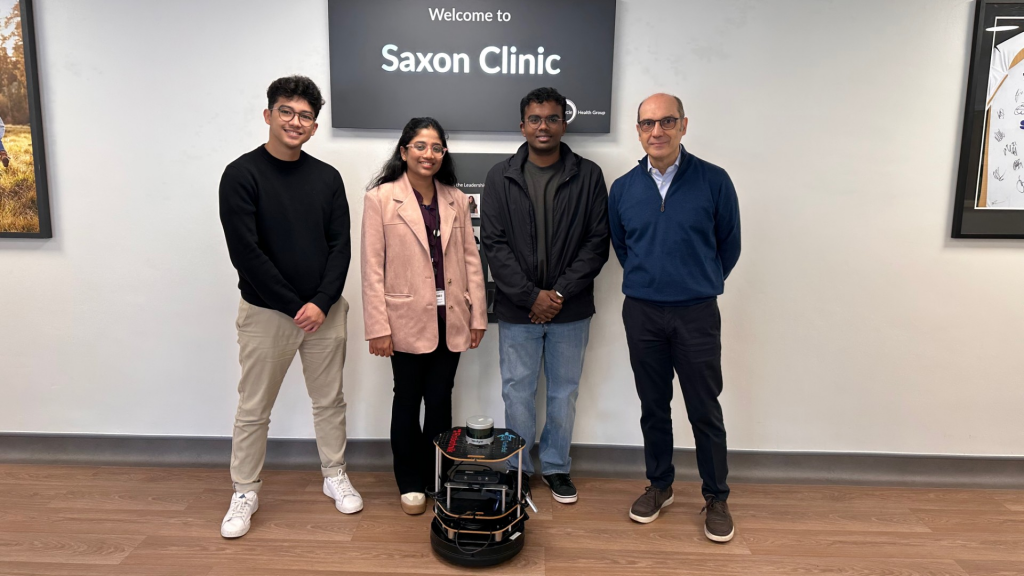
Additional thought-provoking sessions from Prof. Enrico Motta and Dr. Alessio Antonini on digital health research in KMi and other key sectors for AI innovation rounded out a schedule showcasing cross-disciplinary exchange. In particular, Prof Motta discussed four research lines that are being pursued by his research team. These include his strategic partnership with Springer Nature on Scholarly Analytics; his work on AI, Media and Democracy; his collaboration with Swift Robotics, which focuses on deploying robots in healthcare settings; and, last but not least, his collaboration with Dr Ruth Dimes (FBL), which aims to use AI agents to improve representation in corporate board meetings.

The FBL team left with a vivid sense of what drives KMi: a commitment to transforming bold ideas into real-world innovations. From next-generation AI applications to open knowledge ecosystems, the afternoon embodied the spirit of collaboration that fuels everything we do.

A huge thank-you to everyone who contributed to making this event such a success!

KMi takes centre stage at landmark Milton Keynes event 

KMi takes centre stage at landmark Milton Keynes event 

On 28 November 2025, Unity Place hosted the signing of the Milton Keynes Civic University Agreement, a milestone in fostering collaboration for inclusive growth and innovation at the heart of the Oxford-Cambridge corridor. The event brought together anchor partners including The Open University, Cranfield University, and Milton Keynes College, alongside other signatory organisations, such as Santander, East West Rail, and MK City Council.

The ceremony featured speeches from the leaders of these organizations, followed by the formal signing of the agreement, which was accompanied by a musical performance by the Walton Quartet. This agreement strengthens a powerful alliance committed to aligning with local priorities, driving economic development, and enhancing opportunities for the city and its people.

Earlier in the day, two inspiring AI-focused events set the tone for the event. The main event was the Responsible AI and Automation Showcase co-chaired by Prof. Mark Brandon MBE, the OU’s PVC for Research and Innovation and Prof. Lynette Ryals OBE, Deputy-Vice-Chancellor of Cranfield University and Dean of the Cranfield School of Management. 

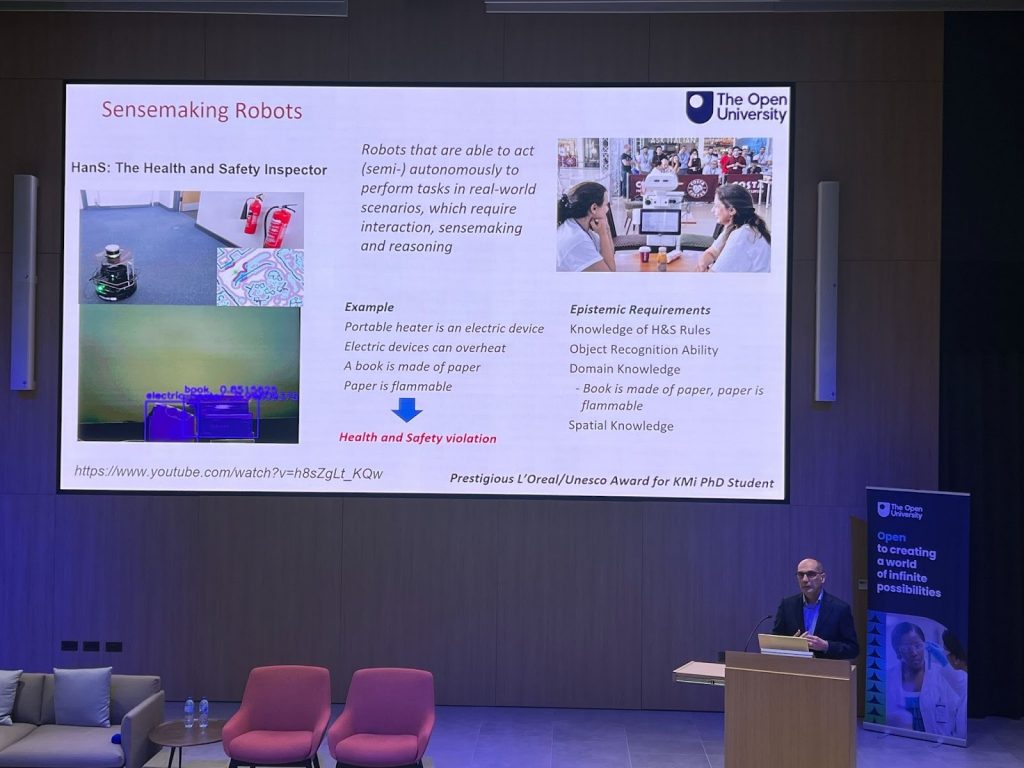
At this event, KMi’s Prof. Enrico Motta gave a talk on Sensemaking Robots, which described the work he is doing in the context of the UKRI-funded Resilient Enterprise project, in collaboration with a local start-up, SwiftRobotics. The goal of this project is to deploy AI and Robotic technologies in hospitals and care homes to improve efficiency, patient safety, and care quality.  In particular, this project builds on earlier research carried out in KMi, centred on developing a robot, called HanS, which is able to operate in a work environment and detect violations to health and safety rules. To this purpose, HanS augmented a state of the art AI vision component with innovative reasoners based on theories of human cognition and common sense reasoning.  This award-winning work is now being adapted to the requirements associated with patient safety, e.g., in the context of fall detection and prevention. 

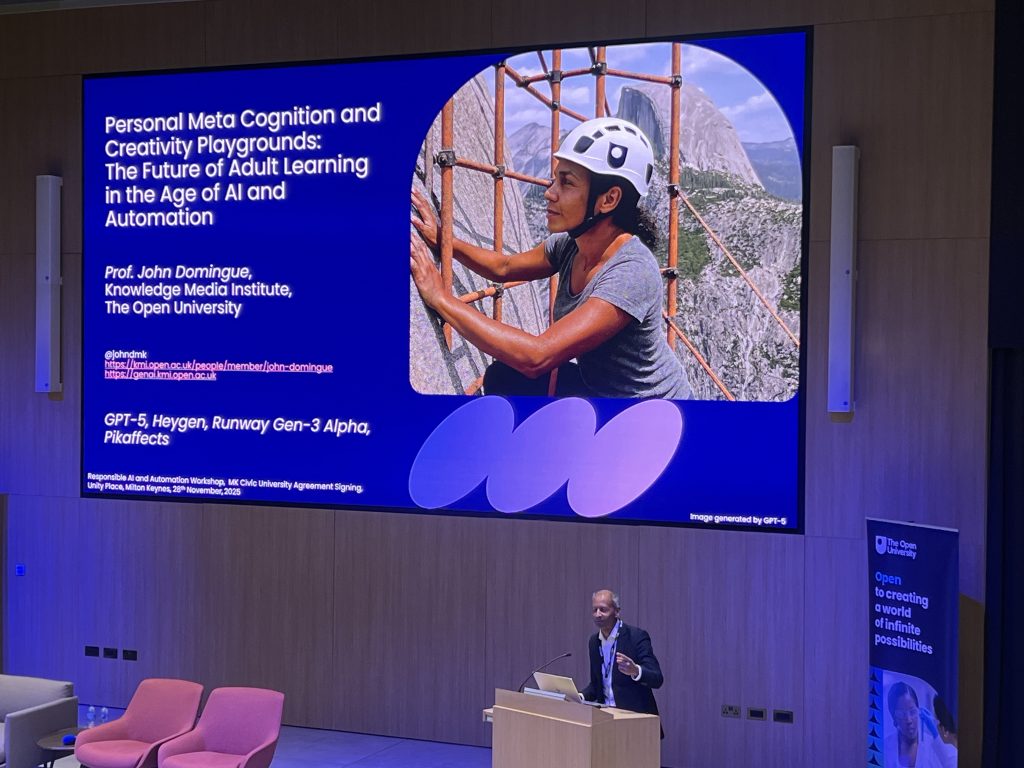
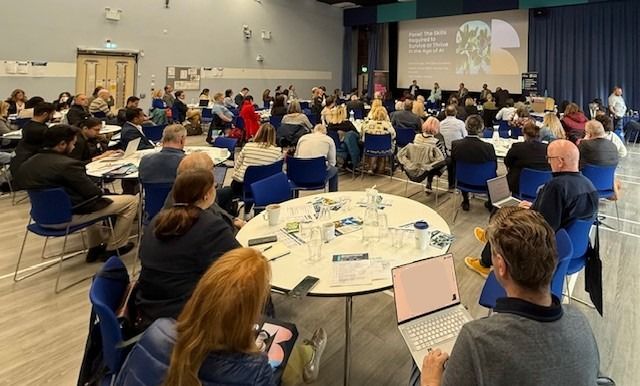
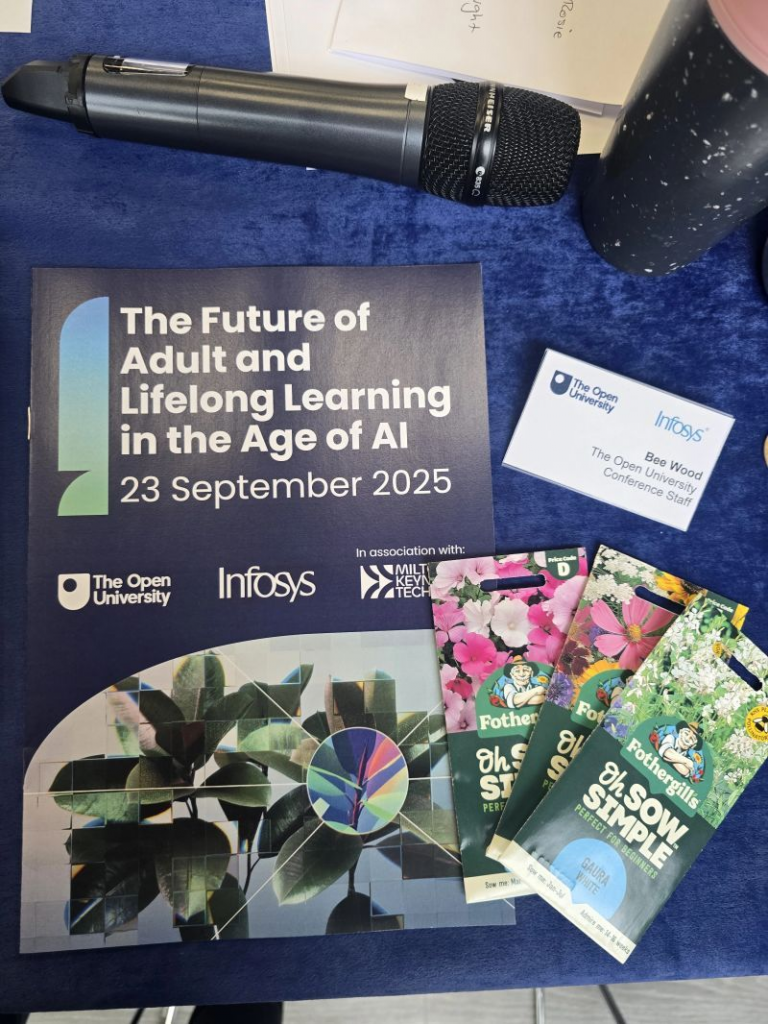
A second KMi talk, entitled Personal Meta-Cognition and Creativity Playgrounds: The Future of Adult Learning in the Age of AI and Automation, was given by Prof. John Domingue. In his presentation, Prof Domingue envisioned learning environments where meta-cognitive skills and creativity are embedded. Building on Seymour Papert’s Constructionist learning theories, he advocated for “creativity playgrounds” where learners interact with AI agents to innovate and self-regulate, empowering adults to thrive in continuous, personalised learning ecosystems.

Prof. John Domingue also gave the opening talk at a satellite event – Robotics and Autonomous Systems in the Public Realm: Policy Challenges and Opportunities for the UK, which was jointly chaired by Prof. Matthew Cook from The Open University and Professor Aidan While from the University of Sheffield. Prof Domingue’s talk was entitled Towards a Just Society 5.0 in the Age of Autonomous Agents, in which he outlined an evolution towards Society 5.0, where robotics and autonomous AI systems shape public life. His talk highlighted agentic AI technologies like ChatGPT Atlas and Sima2, their potential for autonomous decision-making, and the ethical frameworks needed to ensure fairness, transparency, and accountability. OECD AI principles and social justice approaches underscored the importance of inclusive growth and responsible AI governance.

Related links: 

KMi and Springer Nature renew their partnership for another two years 

KMi and Springer Nature renew their partnership for another two years 

We are very happy to announce that KMi has secured a new two-year contract with Springer Nature (SN), which will continue the long-established strategic partnership until December 2027. This marks the continuation of an exceptional collaboration that has now spanned more than 11 years and represents a strong example of how academia and industry can work together to drive innovation and deliver meaningful technological advancements.

This new phase of the partnership will be led by senior members of the Scholarly Knowledge Mining (SKM) team: Prof. Enrico Motta, Dr Francesco Osborne, and Dr Angelo Salatino.

Over the next 24 months, the collaboration will focus on deepening the integration of cutting-edge AI technologies into Springer Nature’s core workflows. The SKM team will support the publisher across three strategic pillars.

AI-driven Content Acquisition

Working closely with the SN’s Content Acquisition team, SKM will investigate advanced data-driven AI techniques to expand and diversify the publisher’s content portfolio. These efforts are essential to help Springer Nature stay at the forefront of scientific publishing, equipping authors with increasingly relevant tools and ensuring that readers worldwide have access to high-quality, timely research literature.

Advanced Analytics for Research Landscape Intelligence

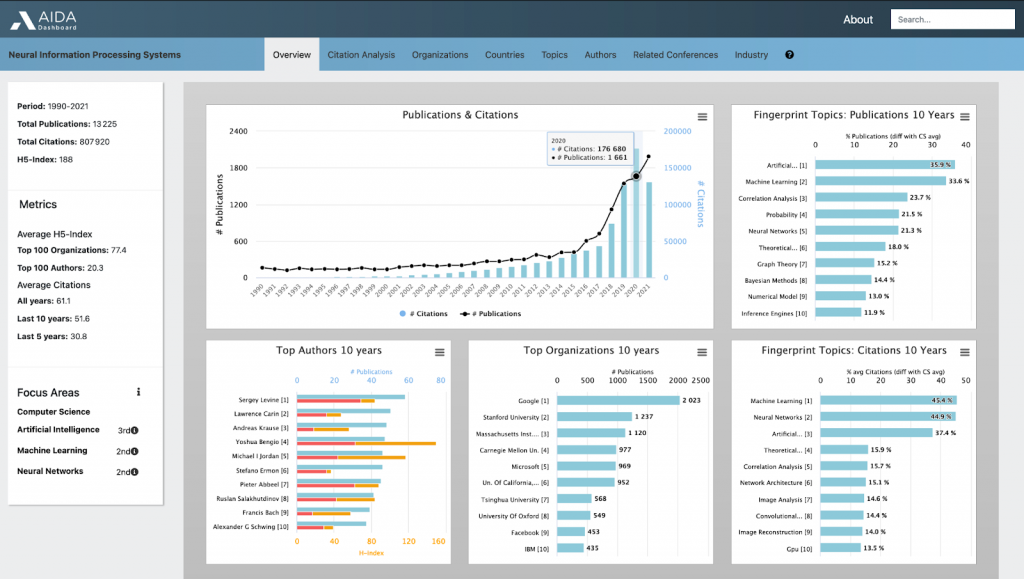
The SKM team will continue to deliver fine-grained, actionable insights through the AIDA Dashboard, one of KMi’s flagship technologies. The Dashboard combines statistical analysis, semantic technologies, and visual analytics to help users to gain insights about important trends in scientific publishing and how these relate to industrial sectors. Its continued adoption by a leading global publisher is a strong endorsement of the robustness and real-world value of our academic research outputs.

Intelligent Metadata Harvesting

The project also introduces a new research line focused on harvesting and organising metadata from conferences across a wide range of domains, particularly events that do not traditionally publish proceedings. Capturing information from these non-archival events is a major challenge in Scientometrics, as such venues often represent the earliest stage where emerging ideas take shape. By developing new methods to systematically capture this type of “grey literature”, we aim to provide a more complete and timely representation of the global research landscape.

At KMi, we are excited to continue our journey with such a prestigious partner, one that consistently demonstrates a strong commitment to innovation. Above all, we take great pride in seeing our research translated into real-world applications that make a tangible contribution to the scholarly community and to society at large.

Dr. Tracie Farrell delivers keynote on the ethics of consent at OU GenAI Conference 

Dr. Tracie Farrell delivers keynote on the ethics of consent at OU GenAI Conference 

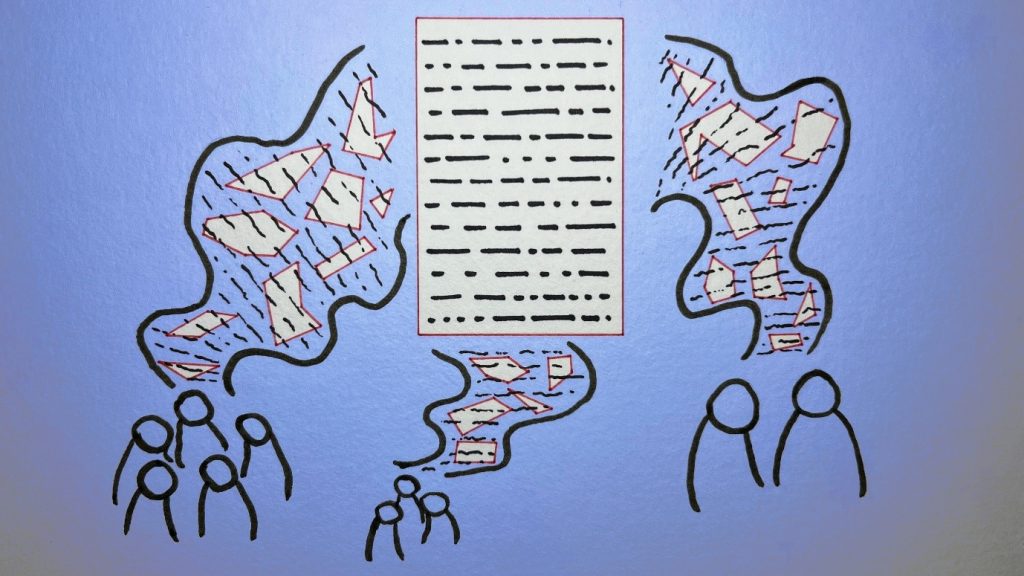
On Thursday, November 13th, 2025, KMi’s Dr. Tracie Farrell gave a keynote address to a global audience (both online and offline) at a conference on Shifting Power in Language Learning and Applied Linguistics with GenAI. Dr. Farrell is the Principal Investigator on a UKRI Future Leaders Fellowship exploring intersections of Artificial Intelligence and justice through a lens of queer scholarship. Her project, Shifting Power, inspired the focus of the conference to think about AI not in terms of being a good or bad tool, but as a tool which will impact how power is preserved, amplified or shifted. 

Dr. Farrell discussed how many of the consequences of AI will be felt by those that have little benefit from it, and how this challenge undermines most efforts to consider an ethical or responsible AI. To explore this further, she introduced some recent work on the ethics of consent derived from queer theory and practice, as applied to artificial intelligence development and deployment. Dr. Farrell argued that insufficient attention is given to what is actually desired with AI and how those benefits will be distributed. She describes how current attempts to gain consent can be seen as invalid, in that power relationships often allow one side to obfuscate their desire and enter insincere negotiations about how the “intimate exchange” will take place (where intimate exchange might be translated as personal or private data, IP, materials, labour practices, etc.). Moreover, any redress or repair when the exchange has gone wrong is stipulated by the more powerful entity, with little input from those who might be harmed.  

Dr. Farrell suggested that universities that wish to deploy AI in the research or teaching practice should consider the motivations (desires) of all relevant parties, make sincere attempts to neutralise power asymmetry (via policy and legitimate consultation, for example) in how decisions about AI are made, and most importantly, consider deeply what world they are bringing into being through this technology. 

Related links:

* Image source: Better images of AI

Breaking barriers: Teresa Sides explores AI adoption in primary care

Breaking barriers: Teresa Sides explores AI adoption in primary care

Teresa Sides has successfully defended her PhD viva on 6th November 2025. Her thesis, “Understanding the Barriers to AI Adoption Within Primary Care: A Novel Model for Acceptance and Resistance,” offers a timely investigation into why AI uptake in UK primary care remains limited despite growing policy support and technological capability.

Teresa developed the Acceptance–Resistance Model for Primary Care (ARM-PC) through a mixed-methods approach involving clinicians and experts. The model highlights key factors influencing AI adoption, including safety assurance, privacy, and health equity. Her findings stress that trust, transparency, and inclusive design are essential for successful AI integration in healthcare.

KMi is especially proud that two of Teresa’s supervisors, Dr. Tracie Farrell and Dr. Aisling Third, are based at KMi. Their guidance helped shape a project that reflects KMi’s commitment to responsible and inclusive AI. Teresa was also supervised by Dr. Dhouha Kbaier, with her viva committee chaired by Prof Marian Petre. Teresa also expressed heartfelt gratitude to her supervisory team, highlighting their unwavering support and intellectual guidance.

Looking ahead, she plans to continue her research as a postdoctoral fellow, expanding ARM-PC to areas like mental health and neurodiversity.

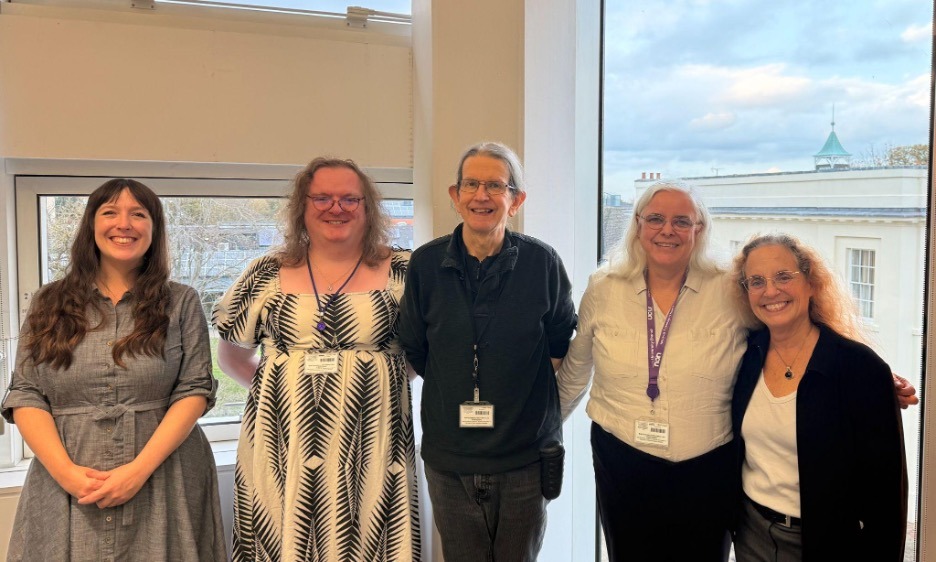
(Image caption: From left to right, Dr. Aislinn Bergin, Dr. Aisling Third, Dr. Simon Holland, Teresa Sides, Prof. Marian Petre.)

Celebrating KMi’s 30th Birthday

Celebrating KMi’s 30th Birthday

In 1995, two truly visionary academics from The Open University (OU); Prof Marc Eisenstadt from Psychology in the Faculty of Arts and Social Sciences and Prof Tom Vincent from the Institute of Educational Technology, were matched together by another visionary OU staff; Lady Kitty Chisholm who was OU’s Development Director – now back in KMi as a PhD student – to create an institute within the OU where innovation could thrive. Their shared passion was clear: to research and develop cutting-edge and future technologies to support OU’s remote students in accessing high-quality learning. That vision was endorsed by Sir John Daniel; OU’s Vice Chancellor at the time, who later said that “Of all the OU innovations in the 1990s, this is the one of which I’m most proud.” KMi was born out of sheer vision, ambition, and strive for the OU to become a leader in High-tech higher education.  

These pioneers understood the critical value of research-based innovation for the future of the OU. They also knew that true innovation does not happen easily or by chance; it needs the right culture and environment. They envisioned a place where creativity and risk-taking are not just welcomed but expected; where rapid design, prototyping, and challenging the status-quo is every day’s business; where the mindset is not “can we do it?” but “just go for it”. They aimed to cultivate a rare yet essential skillset: the ability to see and invent the future. This is critical for any organisation that aspires to stay competitive, agile, and fit for the future.

Well before KMi was officially founded, this spirit of innovation was already in the air. In 1984, Prof Tim O’Shea (IET) and Prof Marc Eisenstadt (KMi co-founder) co-authored a paper, one of many other futuristic ones, that was arguably over 40 years ahead of its time. It described intelligent computer tutors, where tools and systems work together to deliver personalised and adaptive teaching. They imagined and described computers that could present learning materials, interpret student responses, track progress, predict performance, and adjust teaching strategies accordingly. Much of that relied on technology that was not yet invented! Many of these ideas are now turning into reality in KMi, in collaboration with many others around the OU. Today, KMi leads on research and development of technologies that use AI to predict student performance to help tutors intervene early, tools that harness generative AI to offer personalised, 24/7 learning support for students, and help produce high-quality teaching materials far more rapidly and efficiently. Even before that, KMi played a key role in the production of the virtual microscope, field-study telepresence technology, and sensory learning tools, to ensure teaching practices are inclusive and accessible to students with diverse abilities. 

Once you’ve cultivated a culture that embraces innovation; one that’s unafraid of colouring outside the lines, pushing boundaries, experimenting freely and boldly, and challenging itself and the OU, you gain the necessary agility to redirect talent swiftly to tackle new challenges and seize new opportunities. For example, when COVID19 arrived, KMi succeeded in diverting its AI data analysis skills to develop social-proximity tracking tools, and to address the rise of false information during the pandemic. When increasing students’ retention and decreasing awarding-gaps became top priorities, KMi started researching and deploying AI tools to boost affected students’ progression. When generative AI stormed the world, KMi was ready to explore it fully and develop prototypes of tools that could revolutionise our teaching delivery and production, and our students’ experience and success. By the time ethical concerns around AI entered public and media discourse, KMi was already leading debates on how AI is reshaping power dynamics and highlighting the urgent need for new socio-technical frameworks. When Open Science came under the spotlight, KMi produced the world’s largest collection of open access research papers, serving 30 million users every month. 

Being ready and open to people, places, methods, and ideas, is in KMi’s DNA. As Marc Eisenstadt often said, the secret ingredients of KMi are: “Audacity, passion, and social consciousness.” These have always been the main enablers for KMi’s high adaptability and eagerness to innovate solutions for new challenges. 

History has shown that industries and organisations that fail to innovate risk collapse; from print newspapers and video rentals to film photography and traditional banking. Those that embraced new technologies not only survived but thrived, becoming more efficient and relevant in the process. Such  a wave of disruption has now reached Higher Education. The universities that survive, and thrive, will inevitably be those with the right culture, passion, and audacity to innovate, modernise their operations, cater to changing learner needs and expectations, and rethink how education should be delivered in the era of AI. 

As Carroll Shelby (played by Matt Damon) says in the 2019 film Ford v Ferrari: “All due respect, sir, you can’t win a race by committee.” The Open University, like all universities, now faces the race to innovate. Luckily, the OU is uniquely positioned to be one of the fastest in this race, given our long history of innovation in the Higher-Education sector, and setting up KMi as an innovation hub is one prime example of that mission and aspiration. The race is on, and here’s to the next 30 years, continuing to shape the future of education and innovation at the OU and beyond.

Harith Alani, Director of KMi

Strengthening Interdisciplinary Research: Reflections from the Chartered Association of Business Schools Annual Conference 2025

Strengthening Interdisciplinary Research: Reflections from the Chartered Association of Business Schools Annual Conference 2025

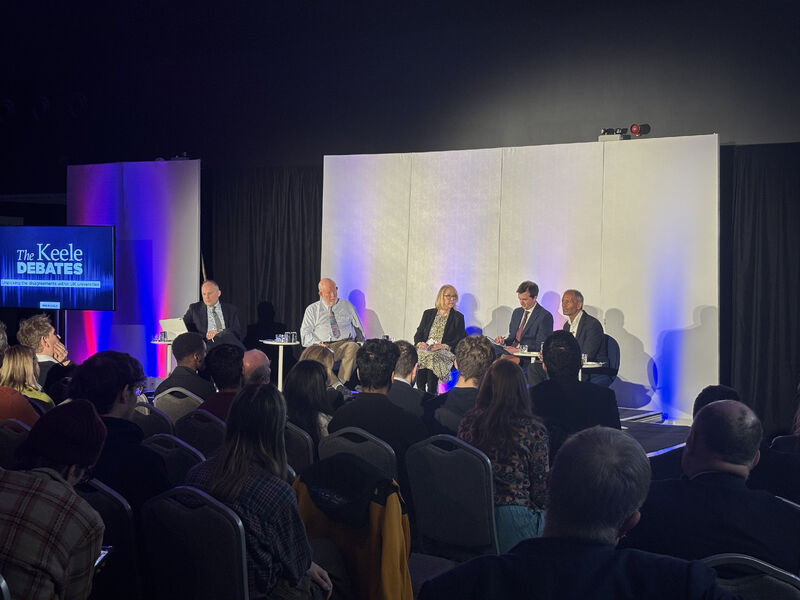
KMi was proud to see Prof John Domingue an invited panelist at the Chartered Association of Business Schools (CABS) Annual Conference 2025, held at County Hall, London on 10–11 November. The conference focused on “Strategic Issues Shaping the Future of Business and Management Education”, and the panel explored the theme: “Developing Interdisciplinary Research Collaborations.”

The panel featured:

  • Alexandra Amey, Strategic Lead for UKRI Interdisciplinary Research
  • Jennifer Johns, Director of Research, University of Bristol Business School
  • David Ellis, Professor of Behavioural Science, University of Bath
  • John Domingue, Professor of Computer Science, KMi, Open University, and was
  • Chaired by Professor Nuran Acur, Director of Research, University of Glasgow Adam Smith Business School

The discussion highlighted the critical role of interdisciplinary collaboration in addressing complex societal challenges. Drawing on his 30 years at KMi, including seven as Director, Prof Domingue emphasised that successful interdisciplinary research requires:

  • Independent funding to enable agility, adaptability and responsiveness
  • A culture of openness, where all members are receptive to new frameworks and languages
  • A flat organisational structure, with equal respect for all contributions — whether from academics, developers, or administrative staff
  • Shared vision and trust, built over time with institutional support

These insights echo themes from Prof Domingue’s recent article in Times Higher Education, where he advocates for a bottom-up, egalitarian, mission-driven approach to team formation and leadership.

This event reaffirmed the importance of interdisciplinary thinking in shaping the future of research and KMi’s ongoing commitment to fostering open, inclusive, and egalitarian, and impactful research environments.

Related articles: